.jpg)

.png)
Europe-USA: A Trans-Atlantic Stress Test
.svg)
.svg)
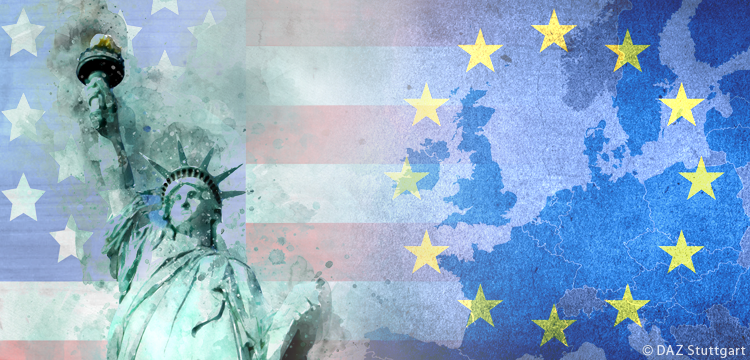
How resilient is the trans-Atlantic partnership in a moment marked by political polarization, the legacy of the Trump presidency, and ongoing international conflicts? What expectations do Europe and the United States now have of one another — and what does a balanced, future‑oriented alliance look like?
In this interactive format, Astrid Fellner and Martin Kopf‑Giammanco will take turns guiding the conversation. Together with Robin Quinville, they will explore how shifting geopolitical priorities, war and crisis diplomacy, and debates over European strategic autonomy are reshaping the foundations of the trans-Atlantic relationship. The discussion will also address the question of how to maintain— or even reinvent — cooperation at a time when the global order is under visible strain.
To register, please email anmeldung@dai-saarland.de
Biographies
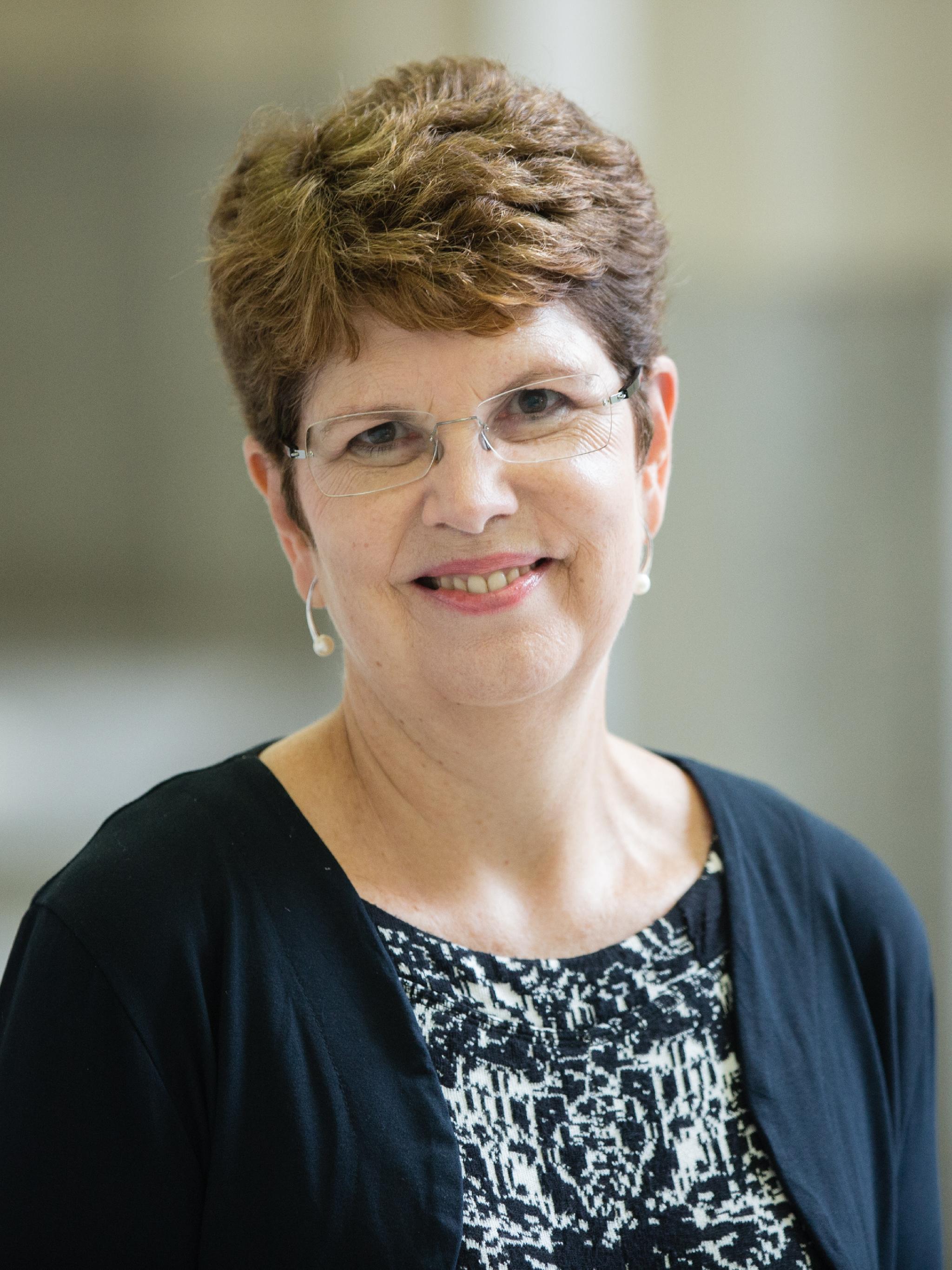
Robin Quinville is the former Director of the Wilson Center's Global Europe Program. She spent more than 30 years as a U.S. diplomat, having served primarily in Europe – including postings to two multilateral organizations (the Organization for Security and Cooperation in Europe and NATO) and bilateral postings to Cyprus, Bosnia, Greece, the United Kingdom, and Germany. She also spent a year in Baghdad, Iraq. In Washington, she directed the Office of Western European Affairs at the Department of State and served as a Wilson Center State Department Fellow for a year. Her last foreign posting was as the Charge d'Affaires at the U.S. Embassy in Berlin, Germany.
Ms. Quinville holds a master’s degree and M.PHIL from Columbia University, and a bachelor’s degree in political science from University of Redlands. She is widely recognized for her expertise in European affairs, alliance politics, and transatlantic cooperation.
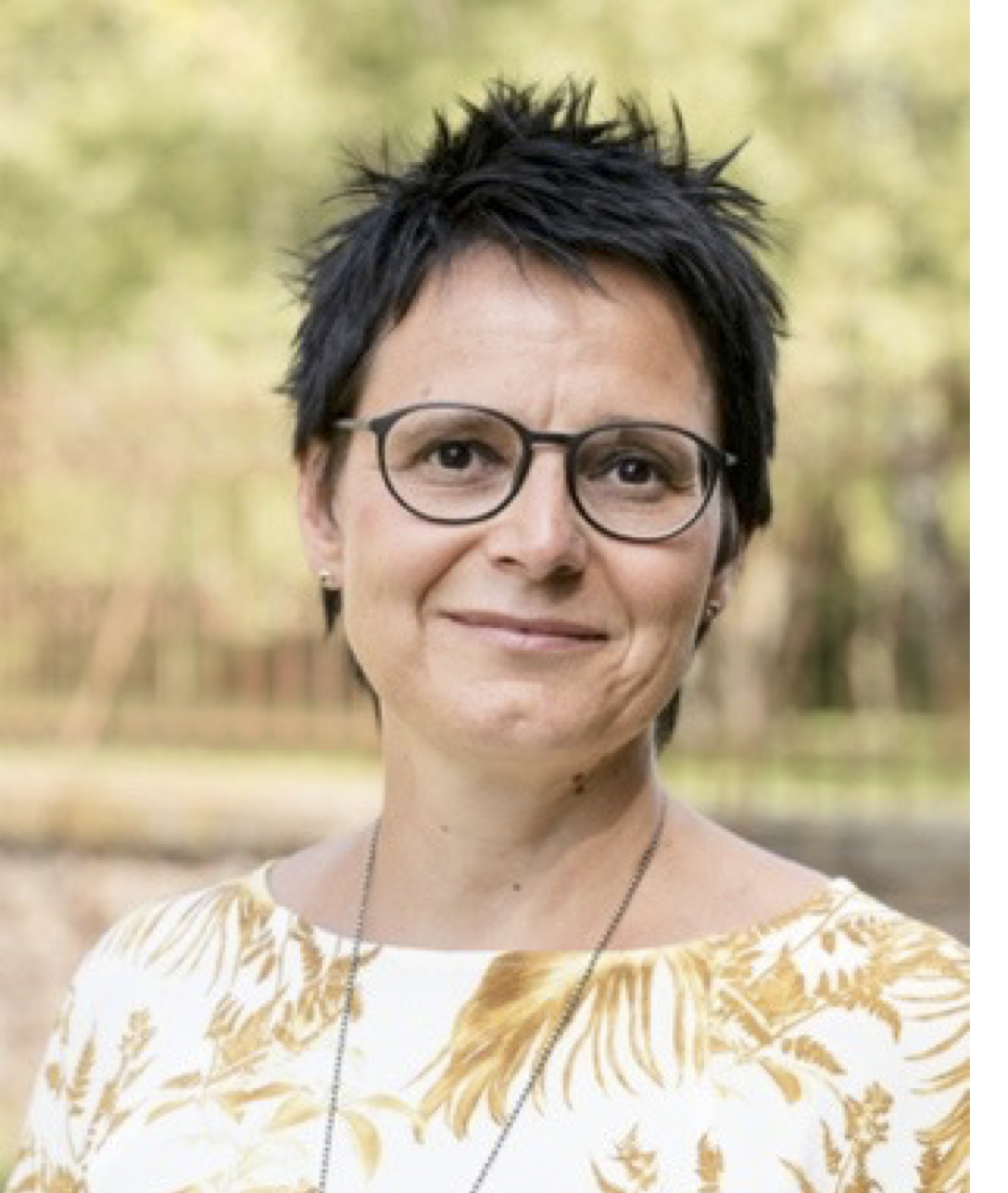
Astrid M. Fellner is Chair of North American Literary and Cultural Studies at Saarland University in Saarbrücken, where she also served as Vice-President for Europe and International Affairs (2013-2017) and Dean of Studies of the Faculty of Humanities (2020-2024). She is Head of the UniGR-Center for Border Studies at Saarland U and co-editor a trilingual Border Glossary, a handbook of key terms in Border Studies. A former member of the BMBF-project “Linking Borderlands,” she has worked on industrial films of the Greater Region SaarLorLux+ and the German/Polish border. She has been involved in a series of projects in Higher Education Management with Ukrainian and Latin American universities.
A graduate of the University of Vienna, she was a Fulbright at UT Austin (1990/91), a Visiting Scholar at UC Irvine (1997) and UMass Amherst (2003-2005), Adjunct Professor of English at Bradley U in Peoria, IL (2008), and she was Distinguished Austrian Chair at Stanford University (2008/09).
A board member of the GAI Saarland since 2010, she has been Managing Director of the GAI Saarland since June 2025.
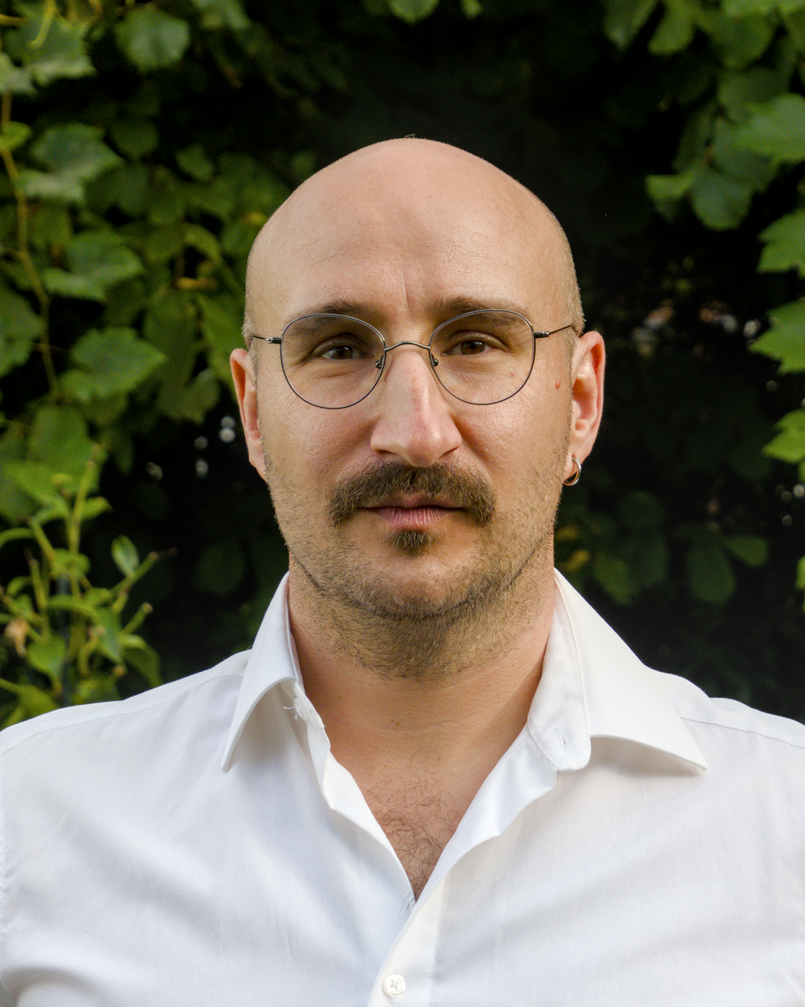
Martin Kopf-Giammanco is Program Director at the German-American Institute Saarland, where he connects people and ideas through cultural eventsand strategic partnerships. Passionate about building bridges across the Atlantic, he curates programs that foster dialogue, collaboration, and shared appreciation of culture and cuisine between Germany and the United States. When he’s not busy at the Institute, he works as a historical linguist at Saarland University.






How resilient is the trans-Atlantic partnership in a moment marked by political polarization, the legacy of the Trump presidency, and ongoing international conflicts? What expectations do Europe and the United States now have of one another — and what does a balanced, future‑oriented alliance look like?
In this interactive format, Astrid Fellner and Martin Kopf‑Giammanco will take turns guiding the conversation. Together with Robin Quinville, they will explore how shifting geopolitical priorities, war and crisis diplomacy, and debates over European strategic autonomy are reshaping the foundations of the trans-Atlantic relationship. The discussion will also address the question of how to maintain— or even reinvent — cooperation at a time when the global order is under visible strain.
To register, please email anmeldung@dai-saarland.de
Biographies
Robin Quinville is the former Director of the Wilson Center's Global Europe Program. She spent more than 30 years as a U.S. diplomat, having served primarily in Europe – including postings to two multilateral organizations (the Organization for Security and Cooperation in Europe and NATO) and bilateral postings to Cyprus, Bosnia, Greece, the United Kingdom, and Germany. She also spent a year in Baghdad, Iraq. In Washington, she directed the Office of Western European Affairs at the Department of State and served as a Wilson Center State Department Fellow for a year. Her last foreign posting was as the Charge d'Affaires at the U.S. Embassy in Berlin, Germany.
Ms. Quinville holds a master’s degree and M.PHIL from Columbia University, and a bachelor’s degree in political science from University of Redlands. She is widely recognized for her expertise in European affairs, alliance politics, and transatlantic cooperation.
Astrid M. Fellner is Chair of North American Literary and Cultural Studies at Saarland University in Saarbrücken, where she also served as Vice-President for Europe and International Affairs (2013-2017) and Dean of Studies of the Faculty of Humanities (2020-2024). She is Head of the UniGR-Center for Border Studies at Saarland U and co-editor a trilingual Border Glossary, a handbook of key terms in Border Studies. A former member of the BMBF-project “Linking Borderlands,” she has worked on industrial films of the Greater Region SaarLorLux+ and the German/Polish border. She has been involved in a series of projects in Higher Education Management with Ukrainian and Latin American universities.
A graduate of the University of Vienna, she was a Fulbright at UT Austin (1990/91), a Visiting Scholar at UC Irvine (1997) and UMass Amherst (2003-2005), Adjunct Professor of English at Bradley U in Peoria, IL (2008), and she was Distinguished Austrian Chair at Stanford University (2008/09).
A board member of the GAI Saarland since 2010, she has been Managing Director of the GAI Saarland since June 2025.
Martin Kopf-Giammanco is Program Director at the German-American Institute Saarland, where he connects people and ideas through cultural eventsand strategic partnerships. Passionate about building bridges across the Atlantic, he curates programs that foster dialogue, collaboration, and shared appreciation of culture and cuisine between Germany and the United States. When he’s not busy at the Institute, he works as a historical linguist at Saarland University.

How resilient is the trans-Atlantic partnership in a moment marked by political polarization, the legacy of the Trump presidency, and ongoing international conflicts? What expectations do Europe and the United States now have of one another — and what does a balanced, future‑oriented alliance look like?
In this interactive format, Astrid Fellner and Martin Kopf‑Giammanco will take turns guiding the conversation. Together with Robin Quinville, they will explore how shifting geopolitical priorities, war and crisis diplomacy, and debates over European strategic autonomy are reshaping the foundations of the trans-Atlantic relationship. The discussion will also address the question of how to maintain— or even reinvent — cooperation at a time when the global order is under visible strain.
To register, please email anmeldung@dai-saarland.de
Biographies
Robin Quinville is the former Director of the Wilson Center's Global Europe Program. She spent more than 30 years as a U.S. diplomat, having served primarily in Europe – including postings to two multilateral organizations (the Organization for Security and Cooperation in Europe and NATO) and bilateral postings to Cyprus, Bosnia, Greece, the United Kingdom, and Germany. She also spent a year in Baghdad, Iraq. In Washington, she directed the Office of Western European Affairs at the Department of State and served as a Wilson Center State Department Fellow for a year. Her last foreign posting was as the Charge d'Affaires at the U.S. Embassy in Berlin, Germany.
Ms. Quinville holds a master’s degree and M.PHIL from Columbia University, and a bachelor’s degree in political science from University of Redlands. She is widely recognized for her expertise in European affairs, alliance politics, and transatlantic cooperation.
Astrid M. Fellner is Chair of North American Literary and Cultural Studies at Saarland University in Saarbrücken, where she also served as Vice-President for Europe and International Affairs (2013-2017) and Dean of Studies of the Faculty of Humanities (2020-2024). She is Head of the UniGR-Center for Border Studies at Saarland U and co-editor a trilingual Border Glossary, a handbook of key terms in Border Studies. A former member of the BMBF-project “Linking Borderlands,” she has worked on industrial films of the Greater Region SaarLorLux+ and the German/Polish border. She has been involved in a series of projects in Higher Education Management with Ukrainian and Latin American universities.
A graduate of the University of Vienna, she was a Fulbright at UT Austin (1990/91), a Visiting Scholar at UC Irvine (1997) and UMass Amherst (2003-2005), Adjunct Professor of English at Bradley U in Peoria, IL (2008), and she was Distinguished Austrian Chair at Stanford University (2008/09).
A board member of the GAI Saarland since 2010, she has been Managing Director of the GAI Saarland since June 2025.
Martin Kopf-Giammanco is Program Director at the German-American Institute Saarland, where he connects people and ideas through cultural eventsand strategic partnerships. Passionate about building bridges across the Atlantic, he curates programs that foster dialogue, collaboration, and shared appreciation of culture and cuisine between Germany and the United States. When he’s not busy at the Institute, he works as a historical linguist at Saarland University.