.jpg)

.png)
Made There, Shaped Here? How Cultural Exchange Shapes Creative Identity
.svg)
.svg)
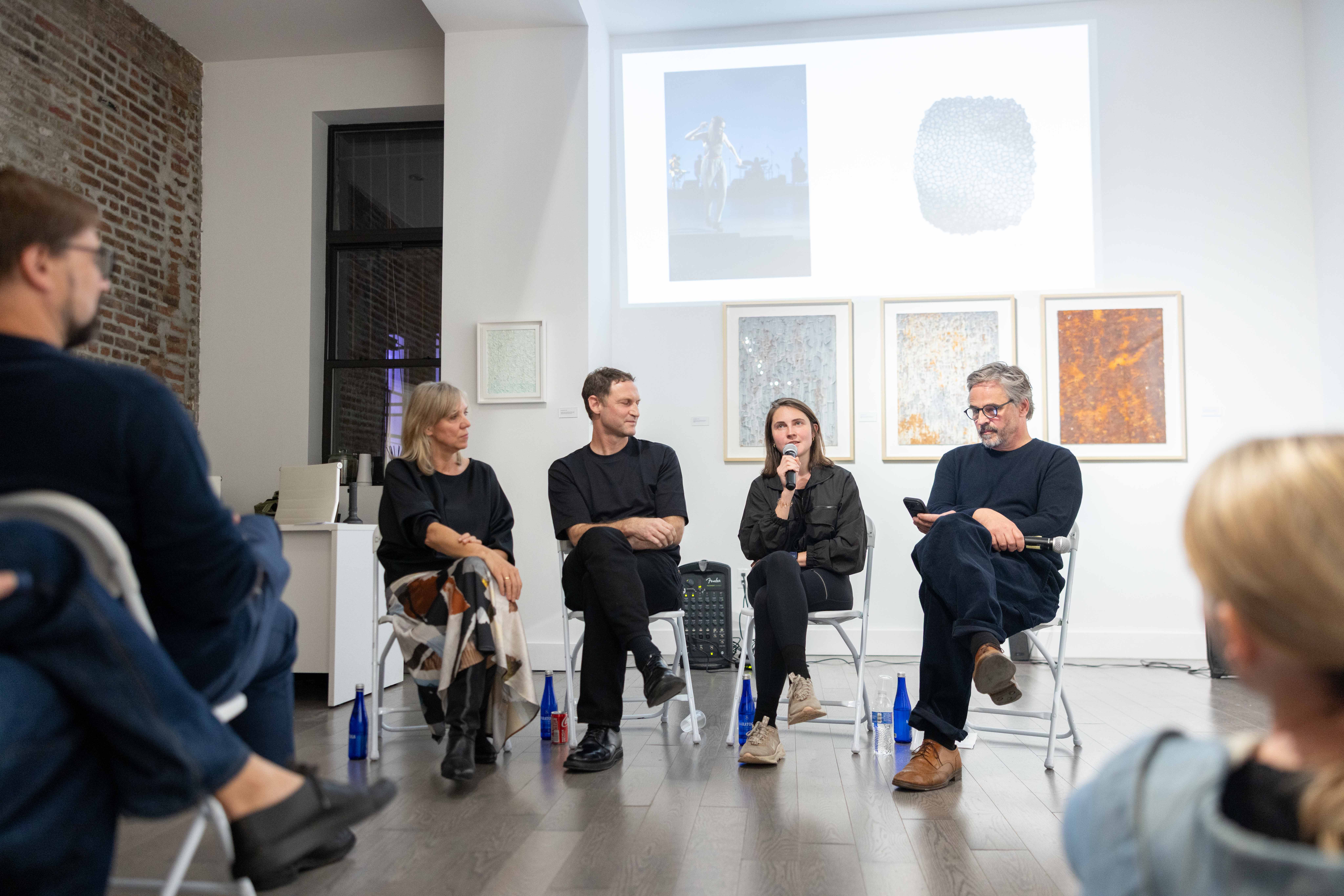
Creative identity is rarely formed in isolation. For decades, architects, artists, designers, and fashion innovators have moved between Europe and the United States, influencing one another’s ideas, practices, and cultural narratives along the way.
Made There, Shaped Here? explores how trans-Atlantic exchange shapes the way we understand creative identity—and whether that identity can still be meaningfully tied to place.
Rather than searching for a singular “European” or “New York” aesthetic, the discussion considers how cultural values, social conditions, and local contexts inform the way we think, create, and work. What, if anything, remains distinctly "local from one place" when creative practices move across borders? Does New York continue to define global creativity, or has its role evolved? And if there is no single national style, how do different traditions and cultural narratives continue to shape creative work?
At the heart of the conversation is the tension between the local and the global: how design can reflect national identity while simultaneously transcending it. Can creative work preserve a sense of place while embracing international influences? Or is identity itself transformed through movement, collaboration, and exchange?
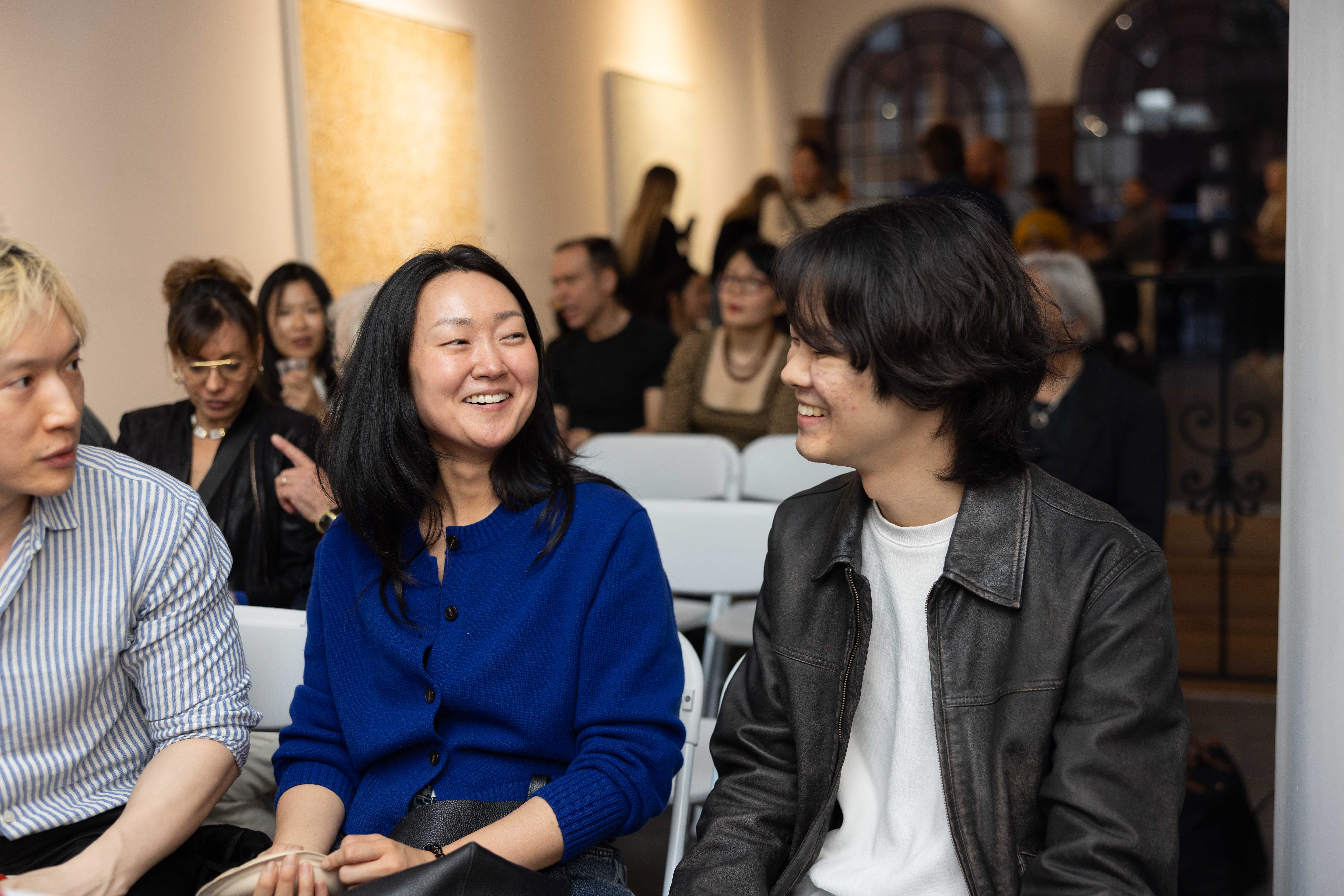
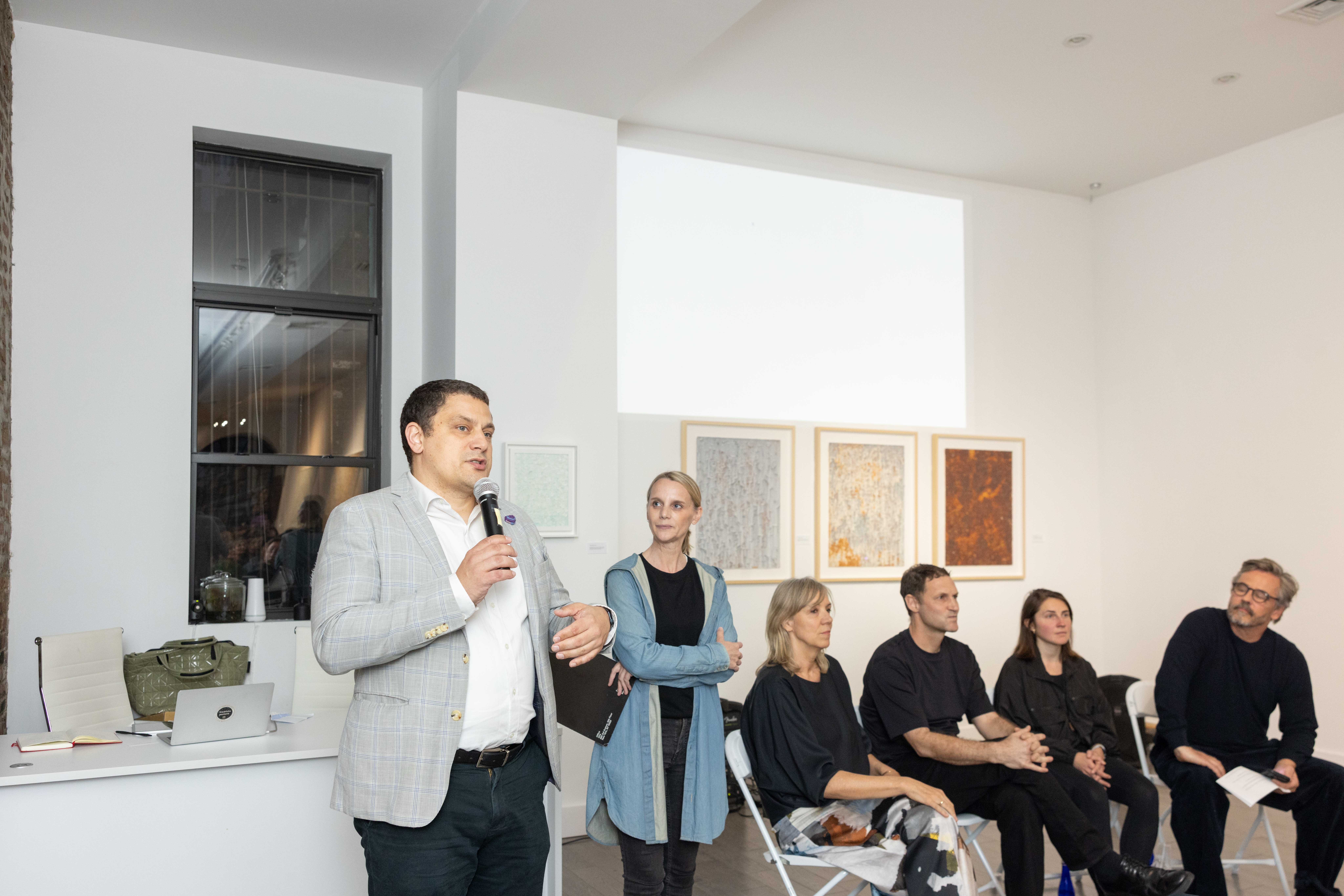
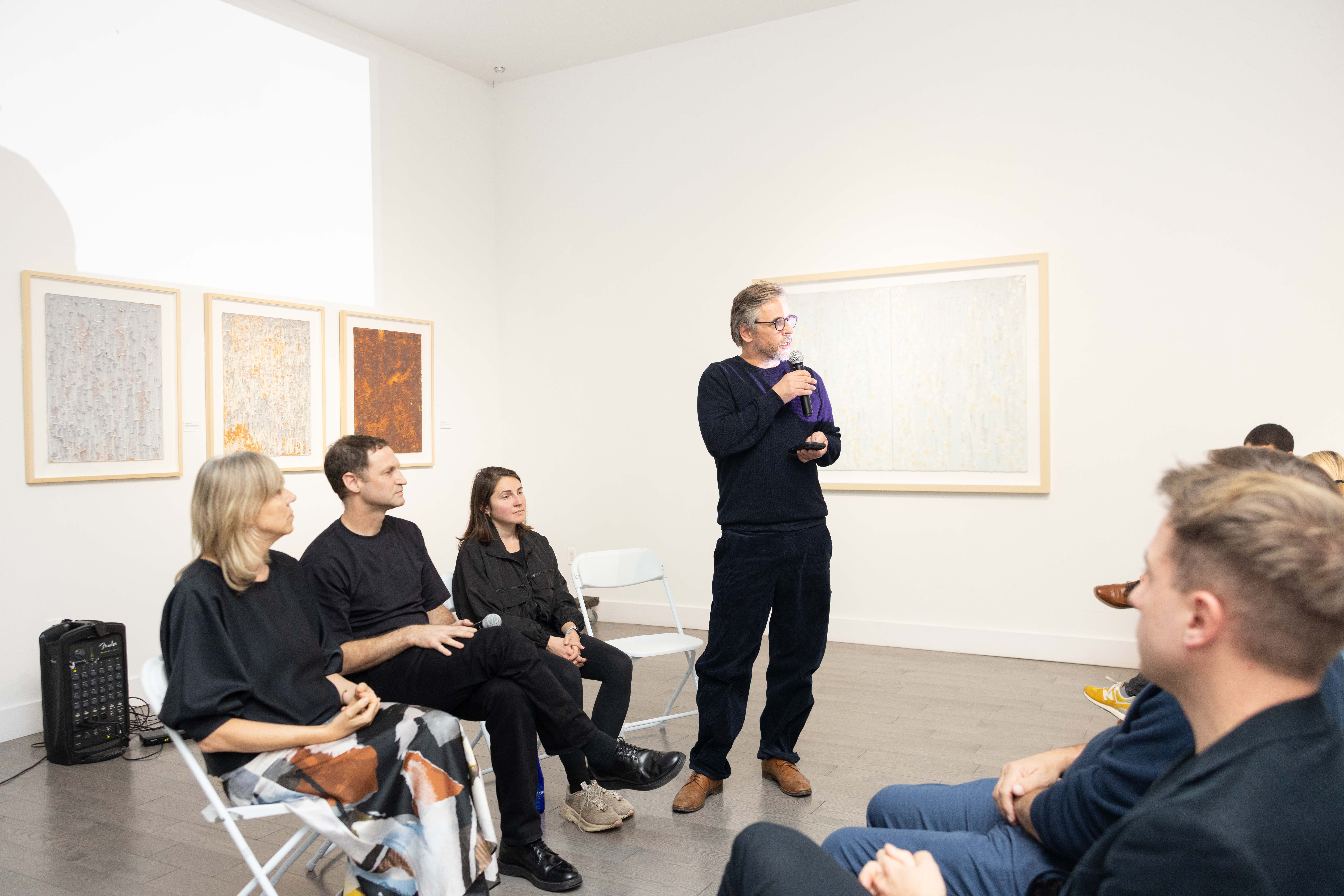
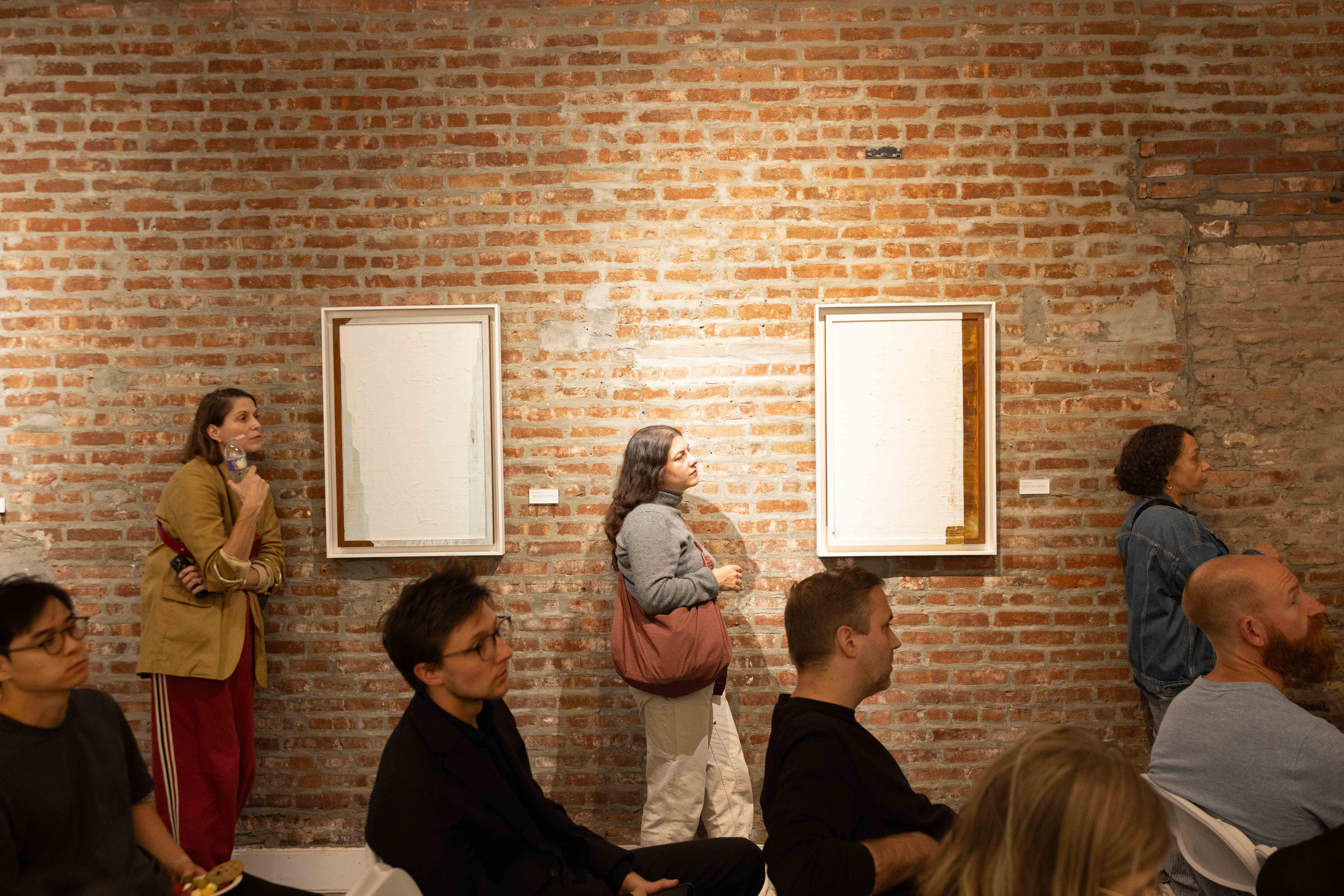
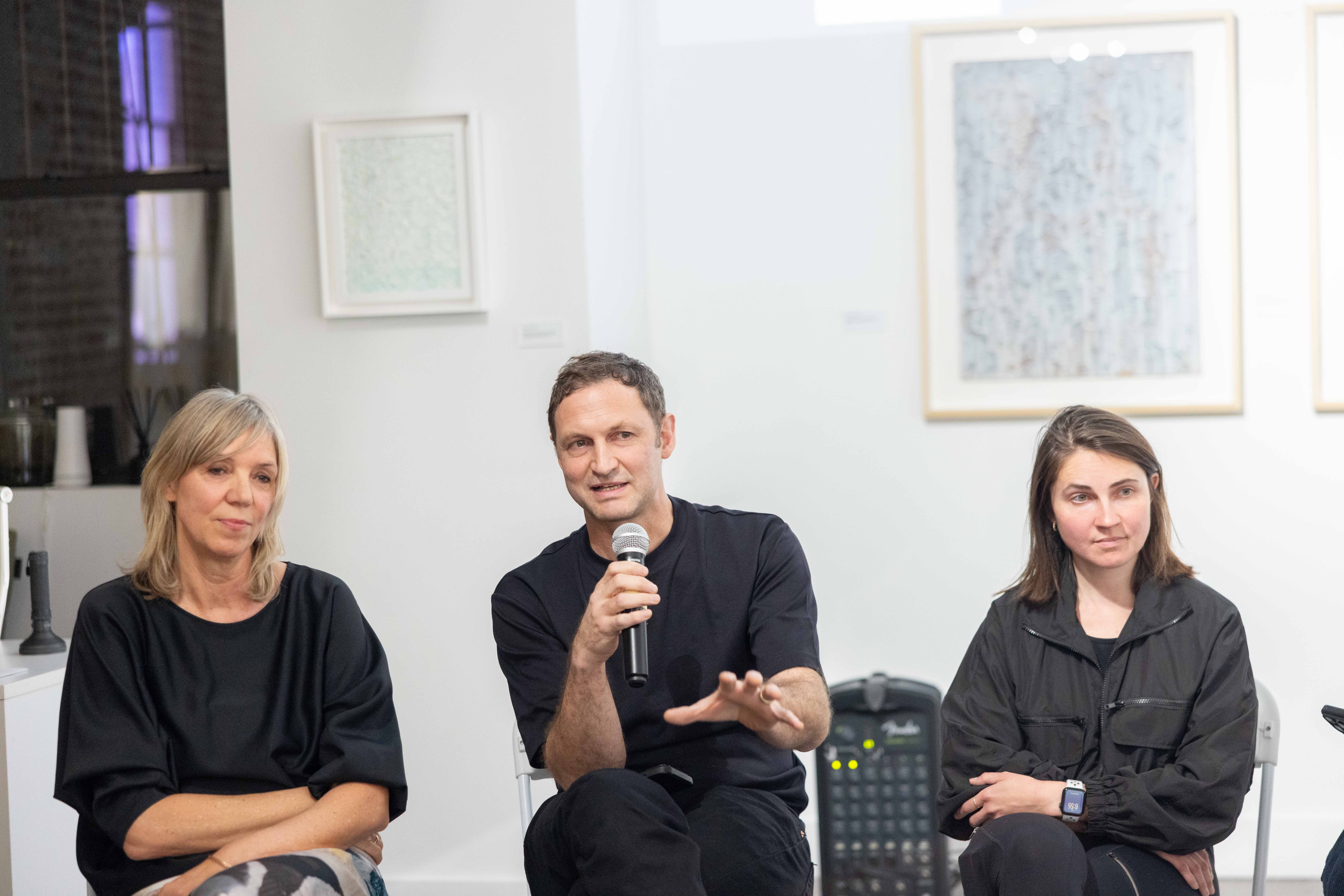
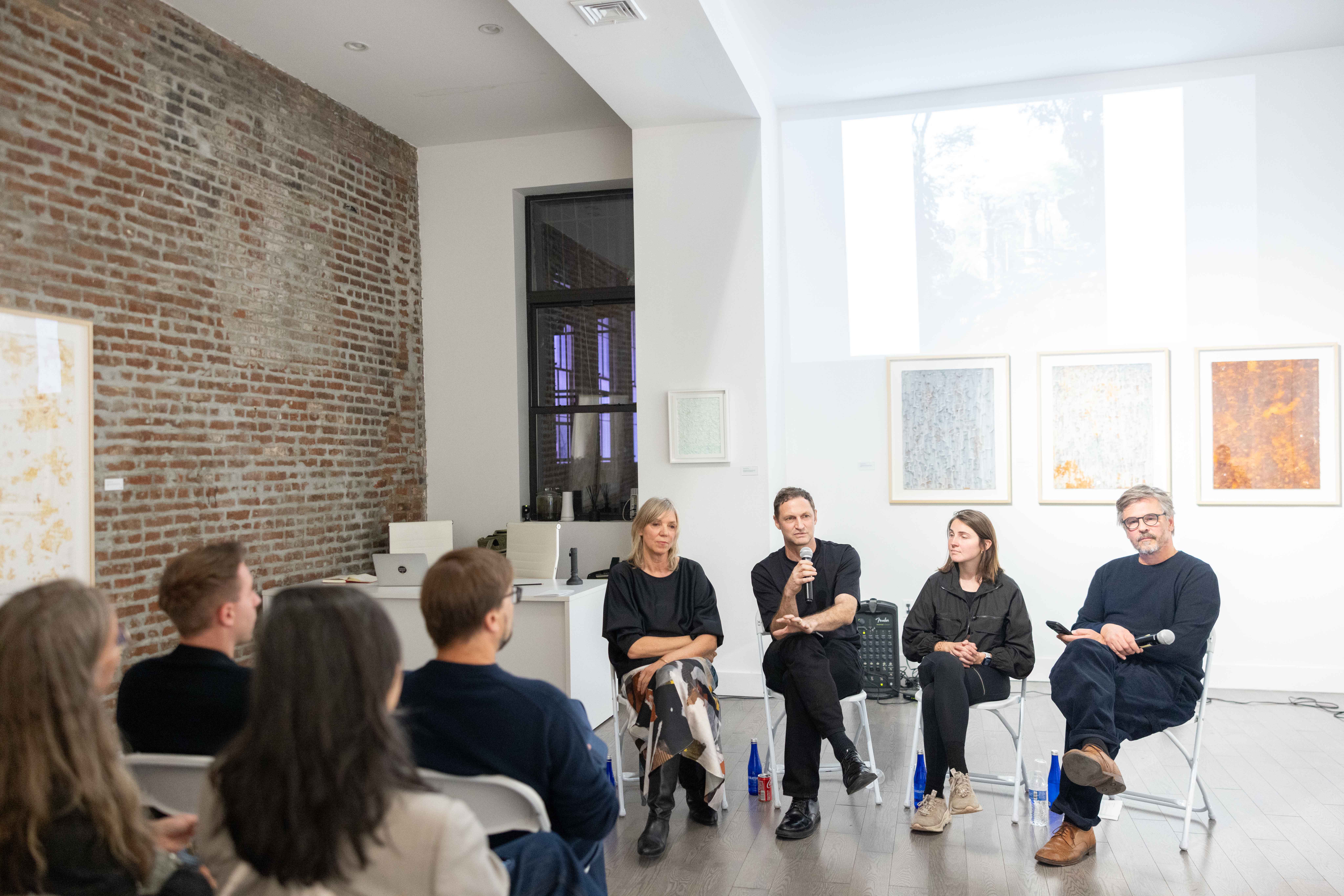
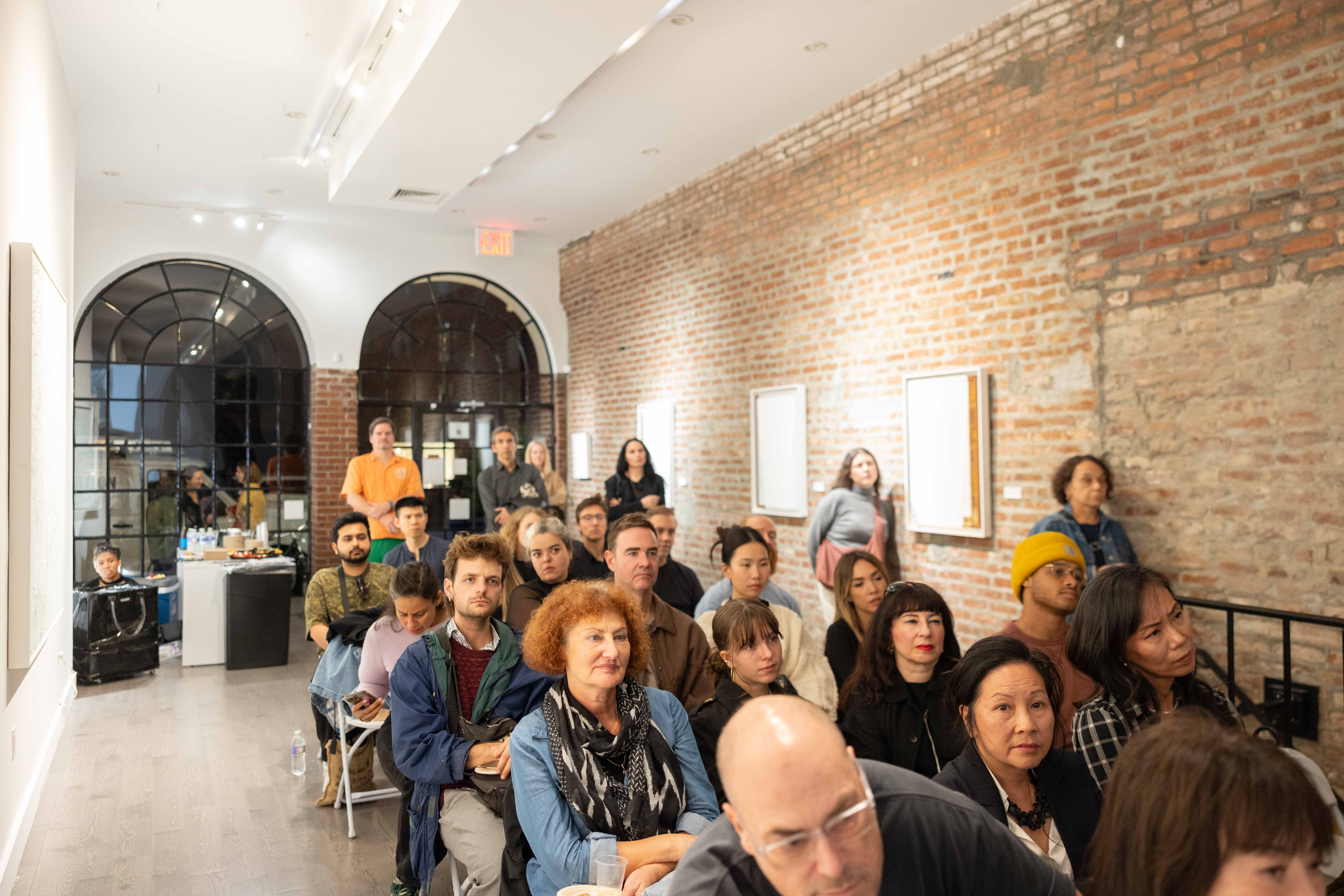
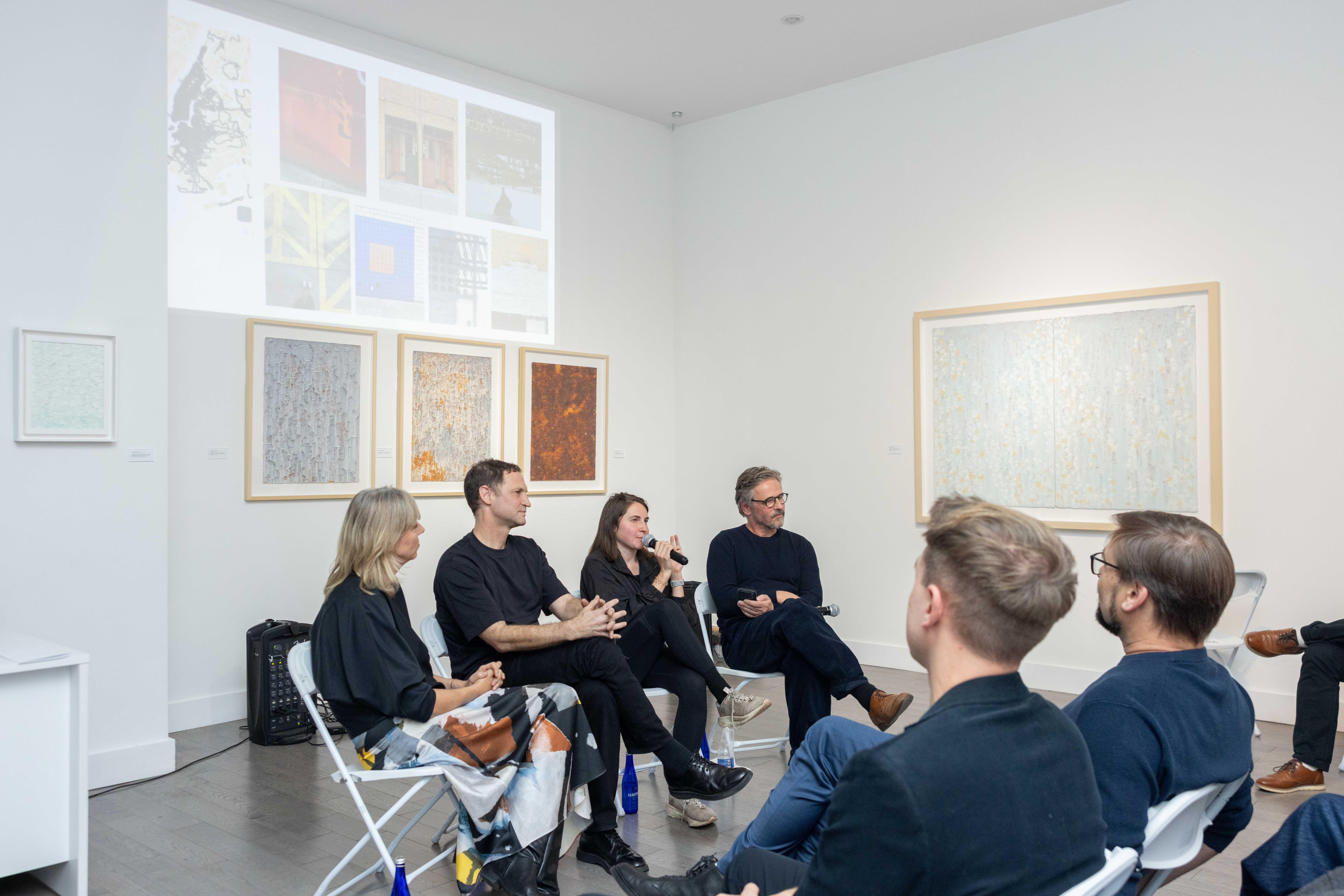
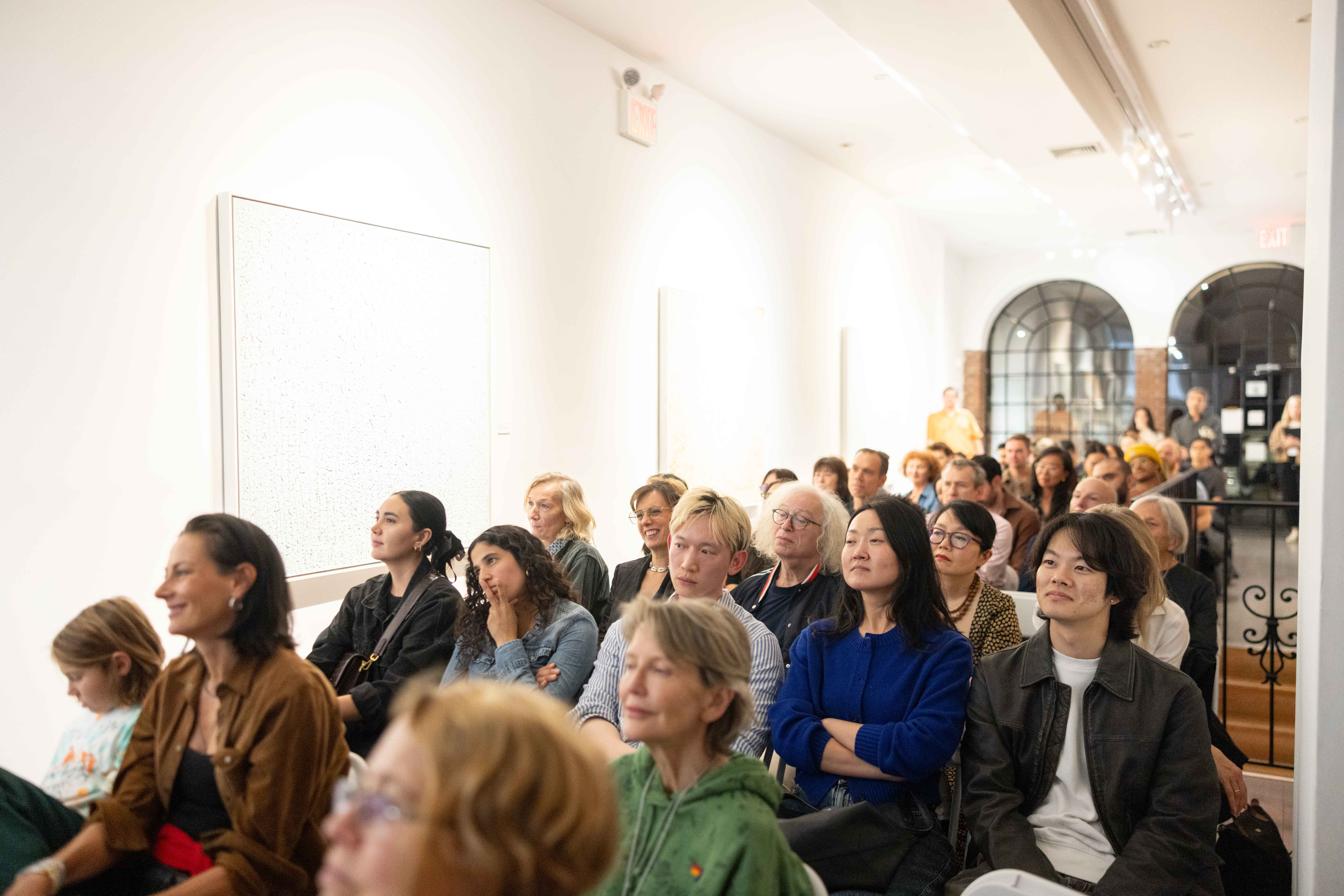
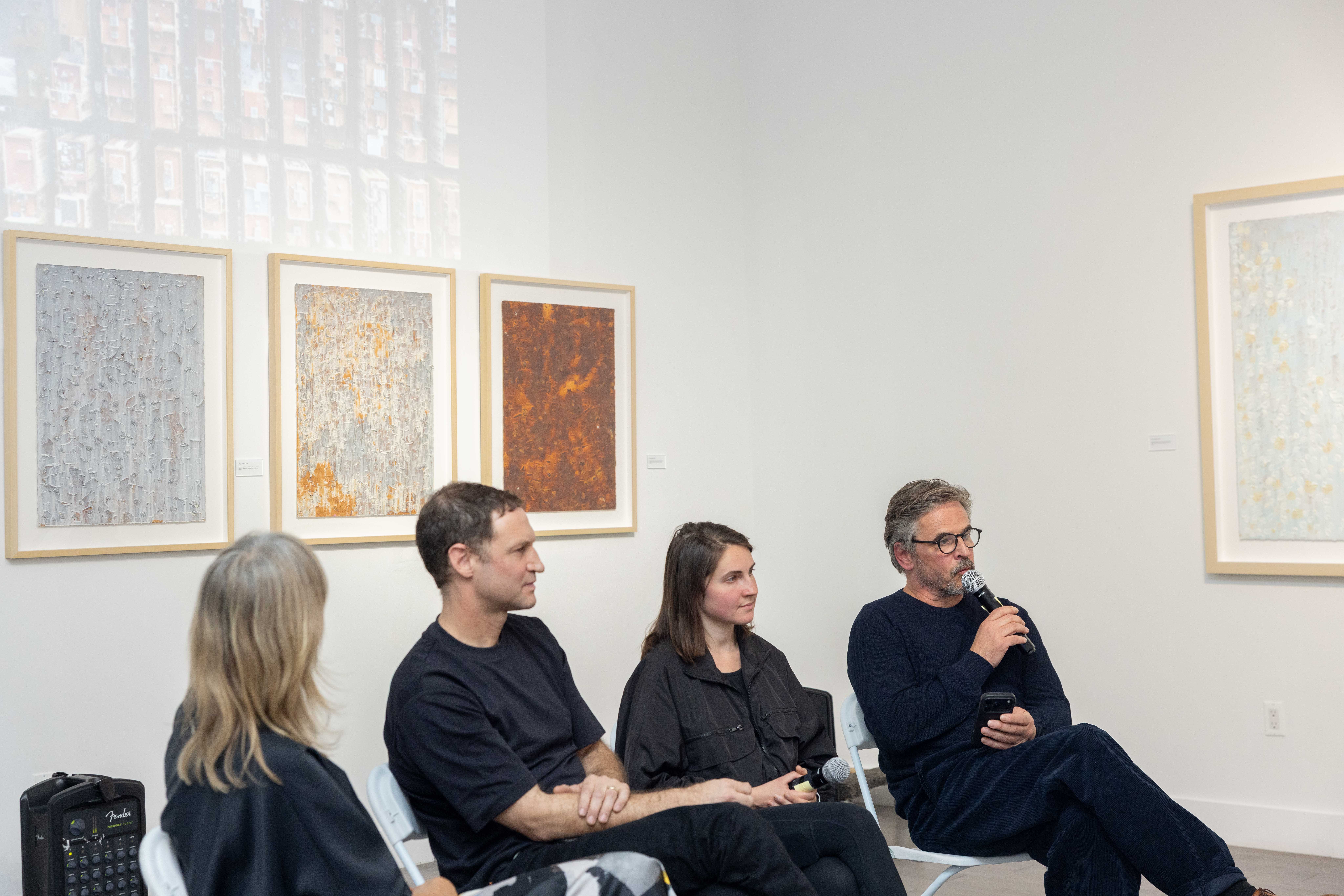
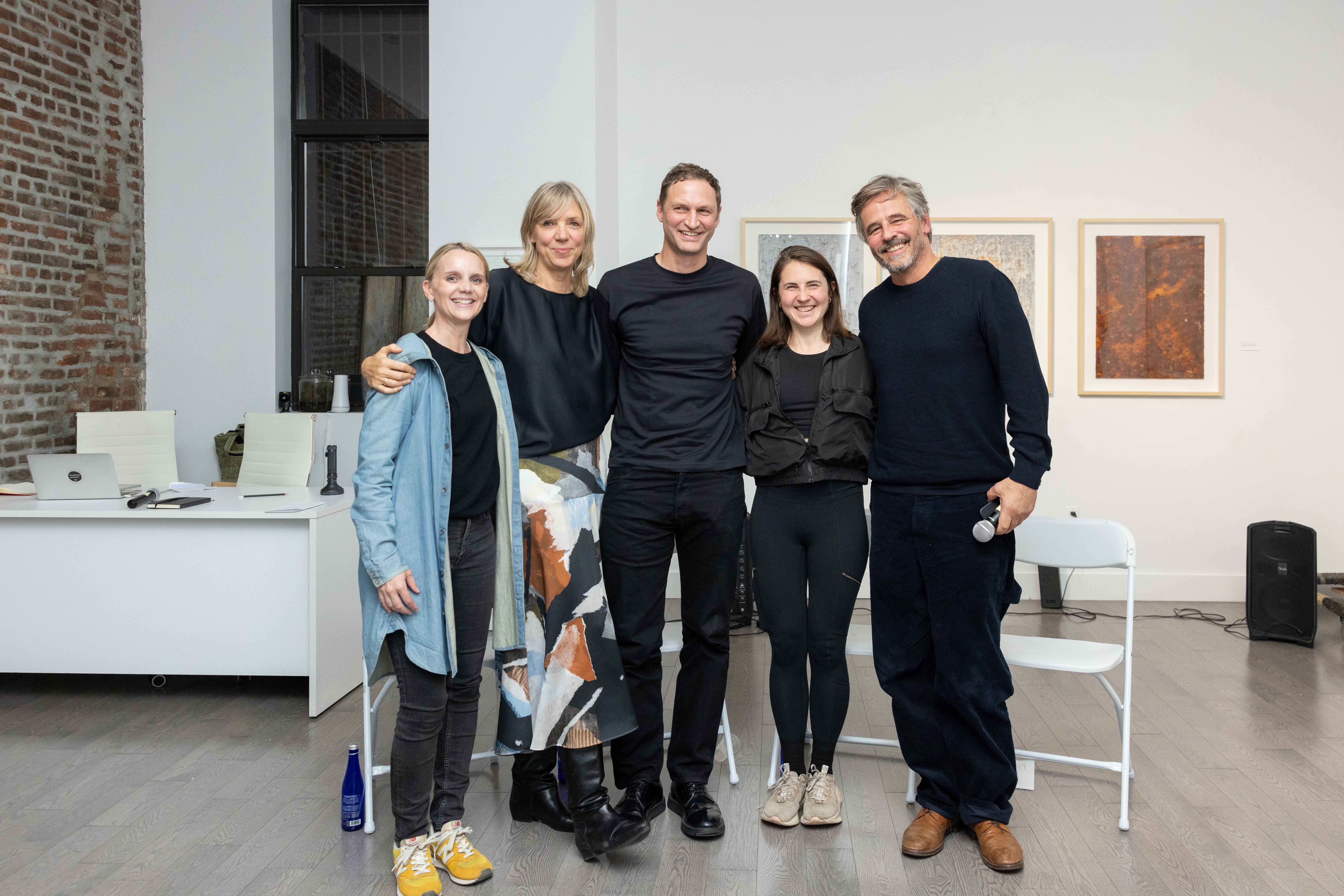
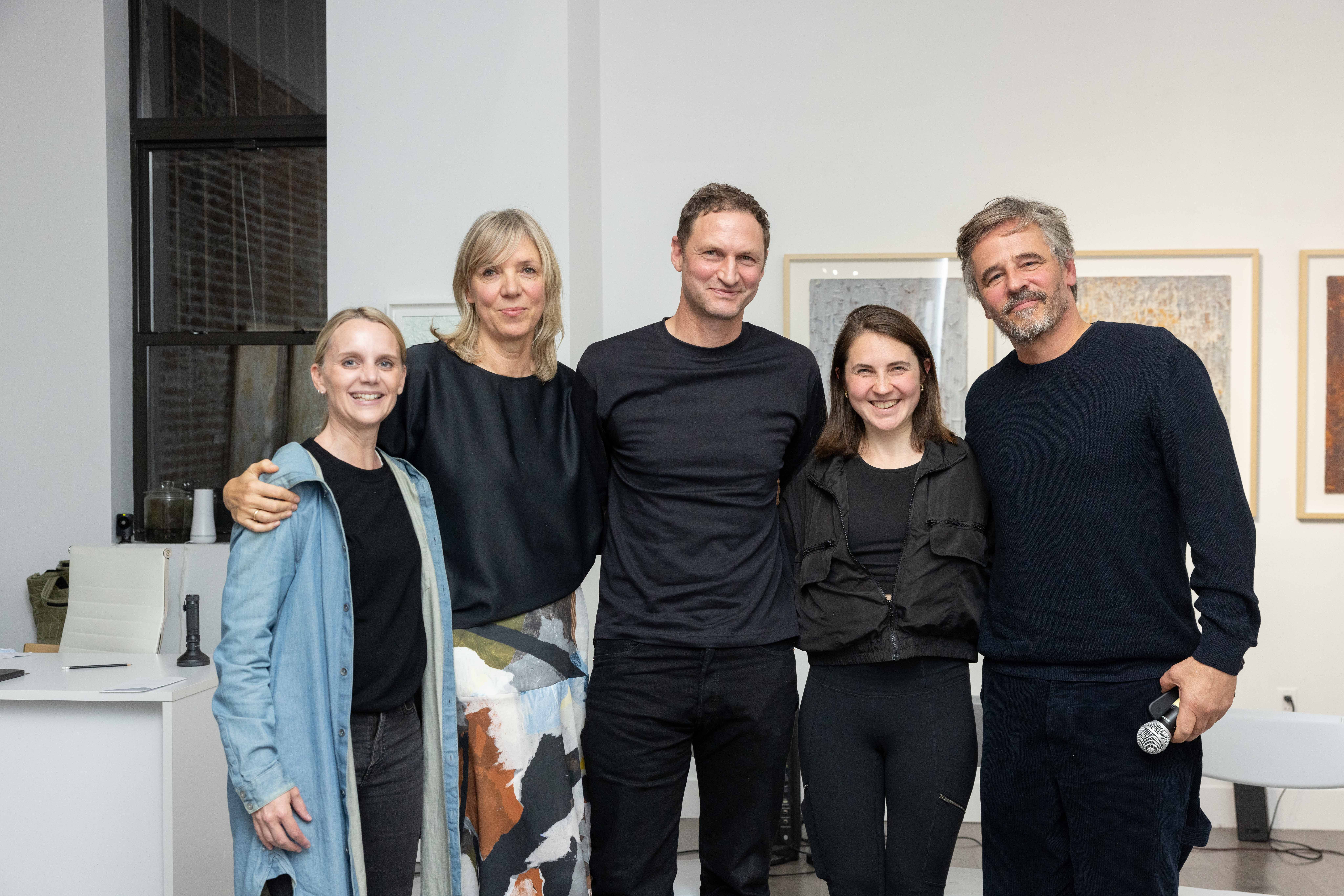
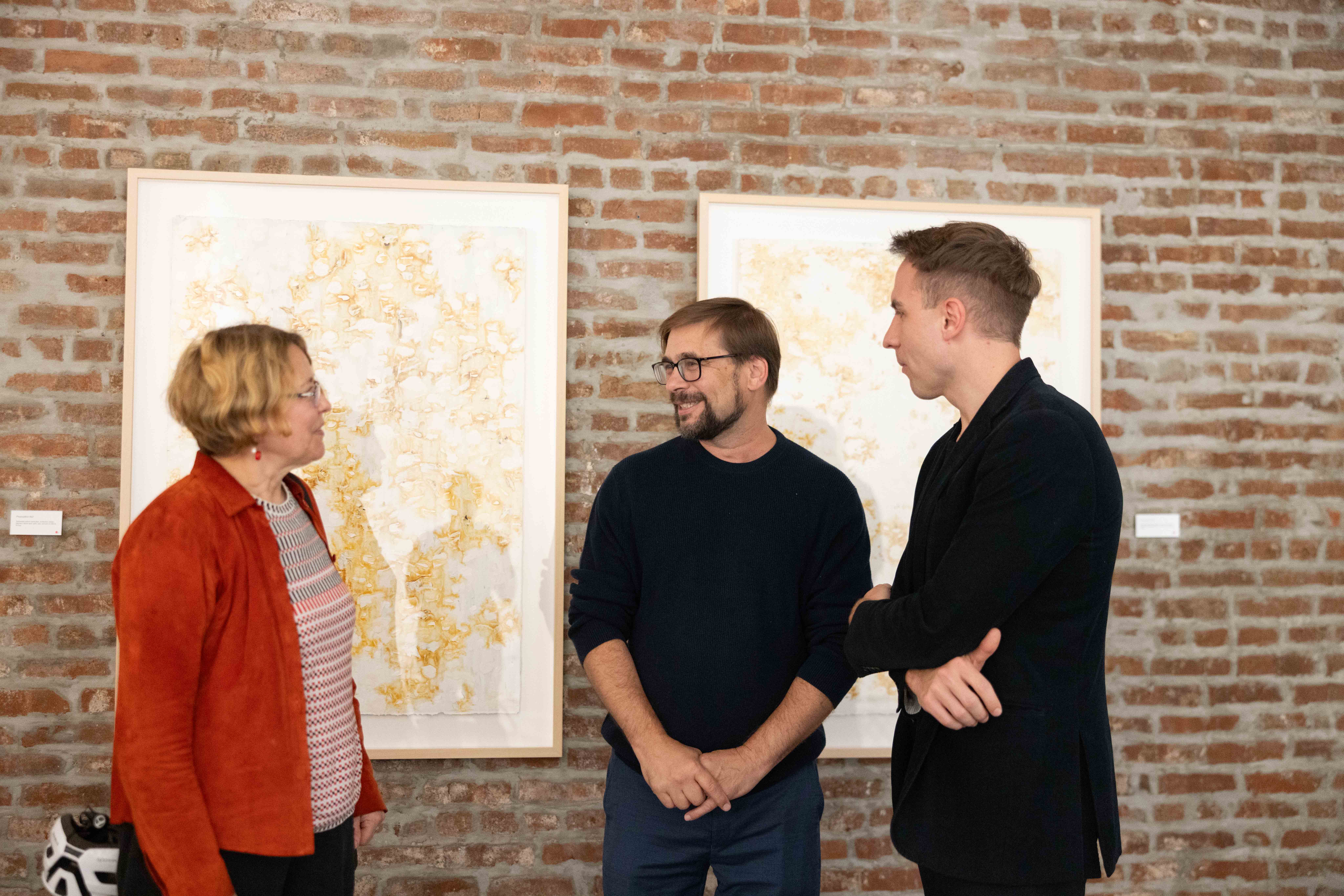
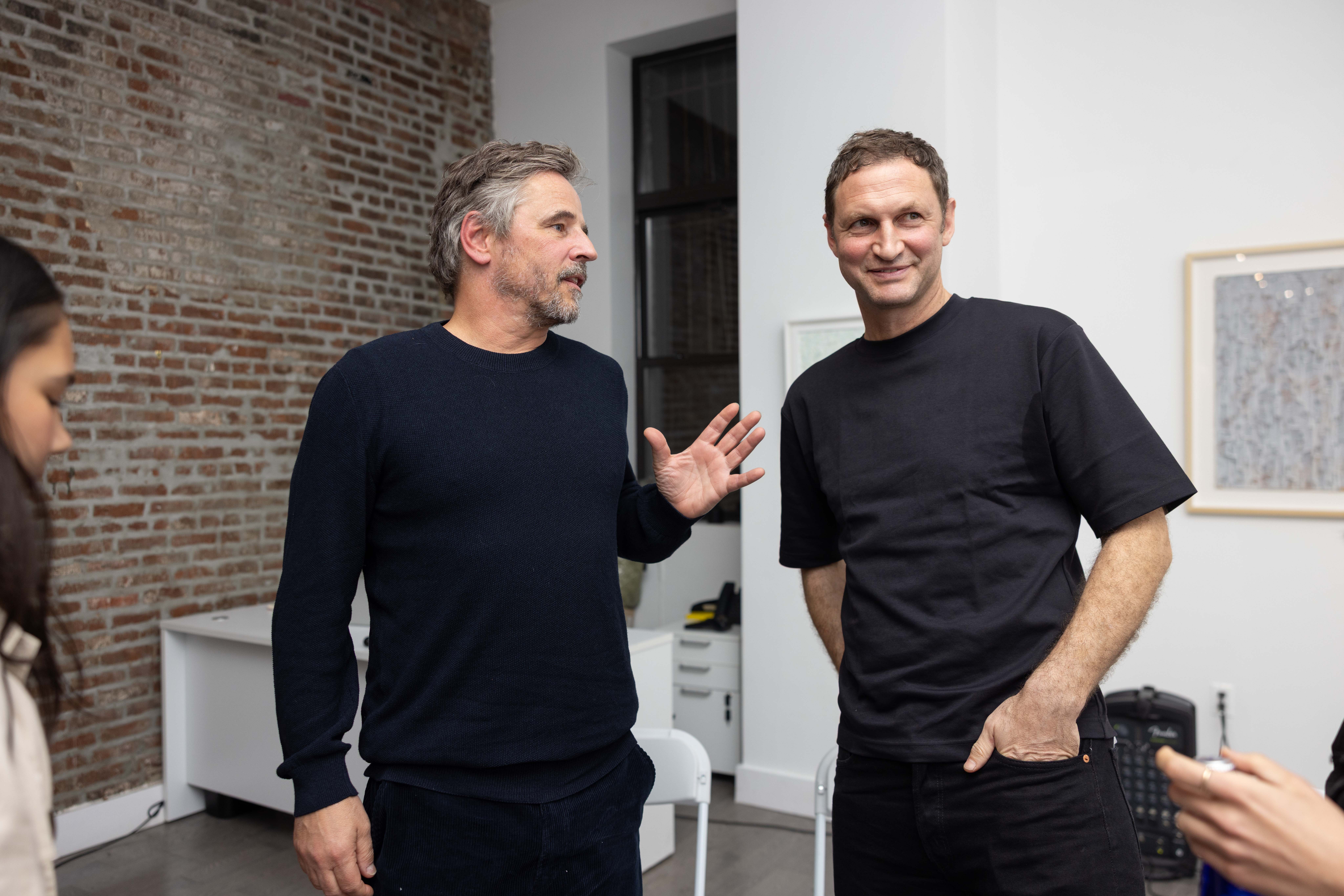
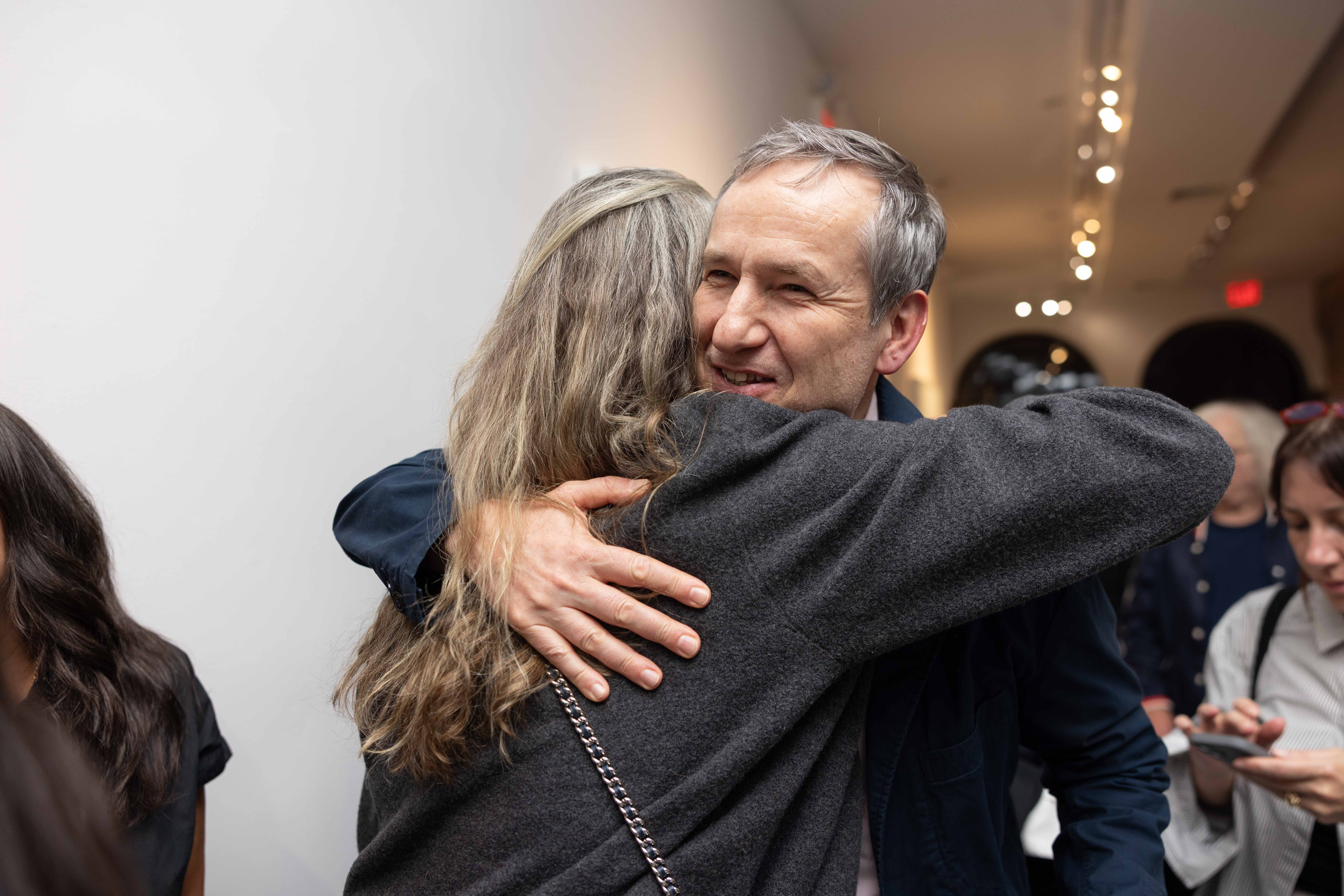
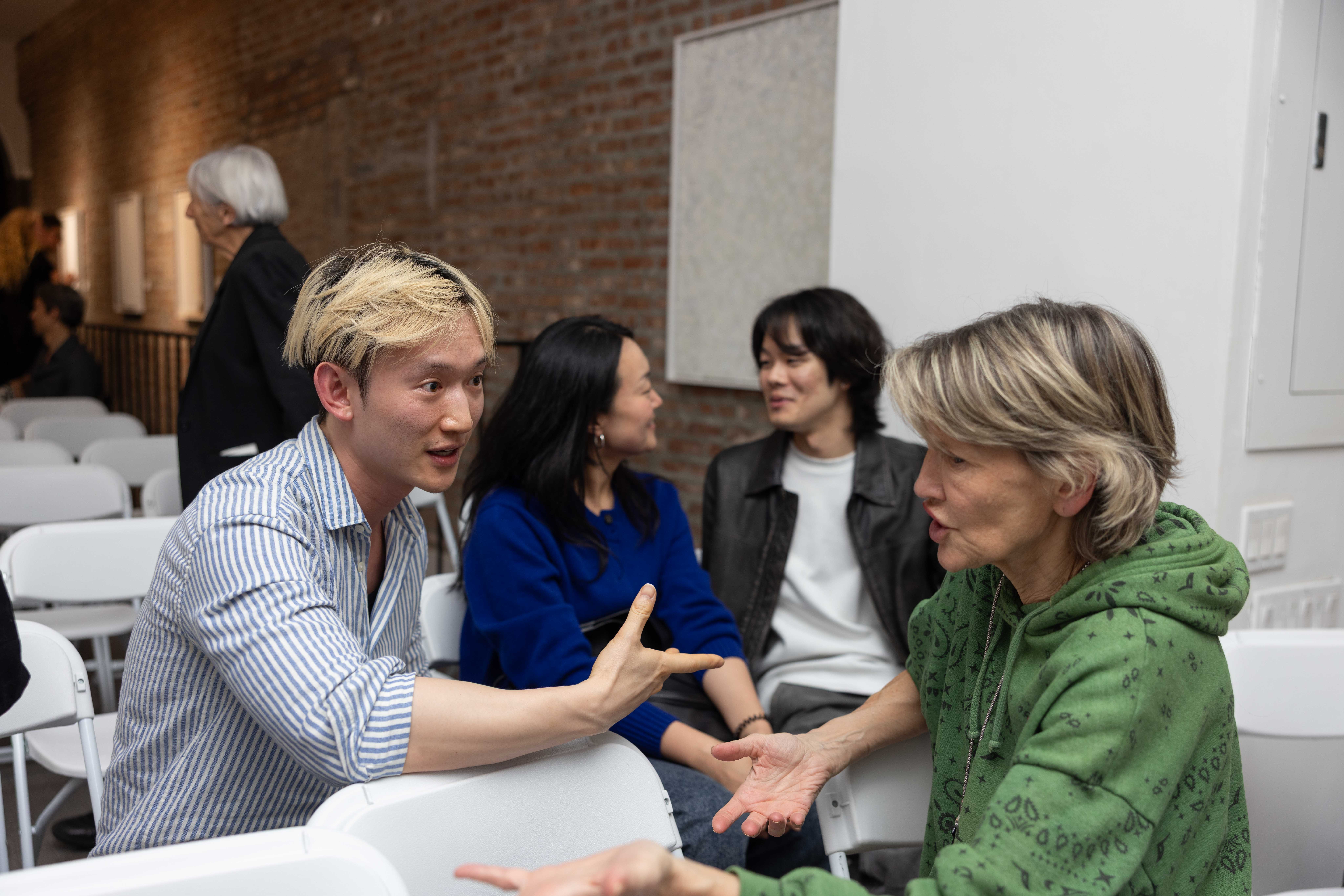
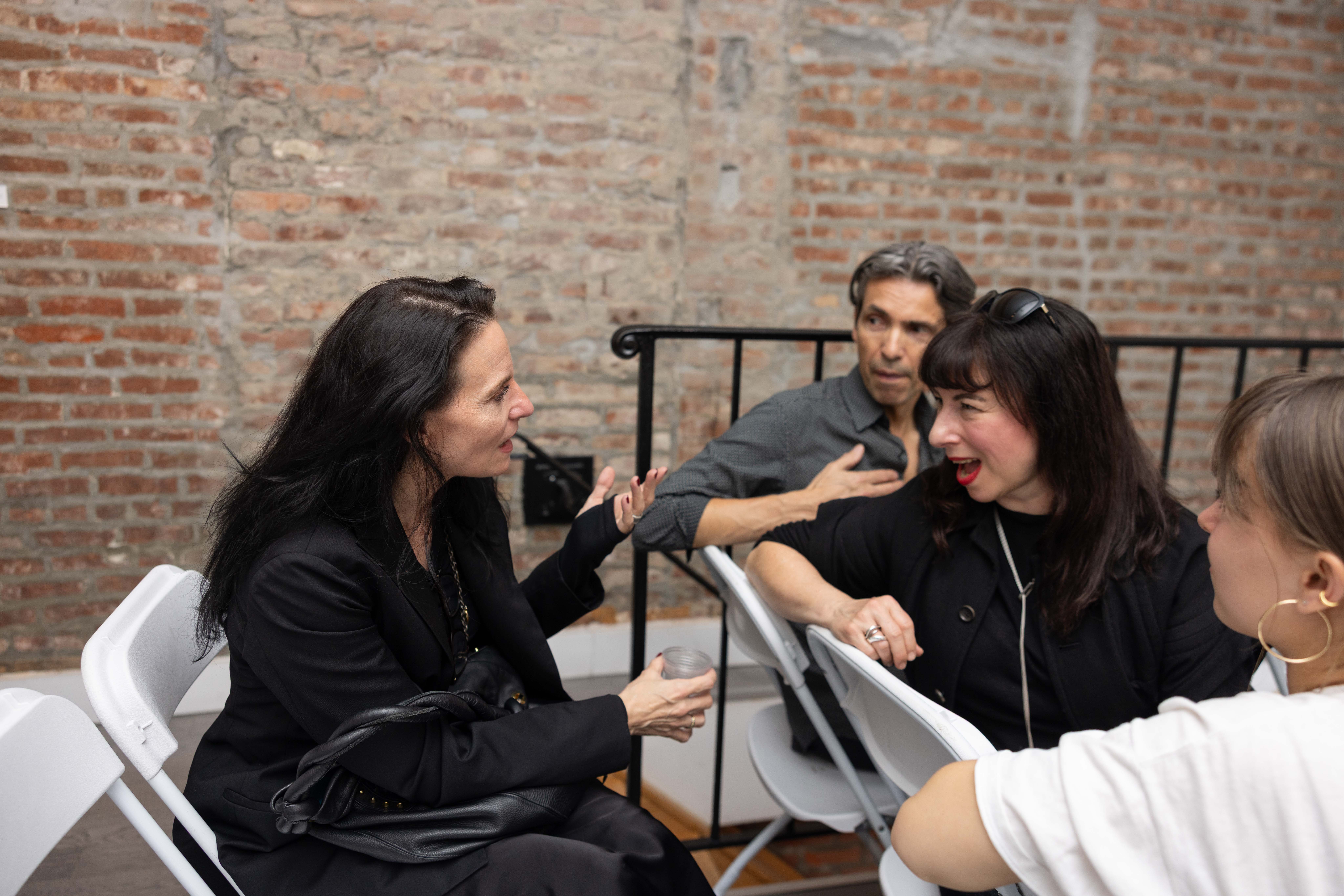
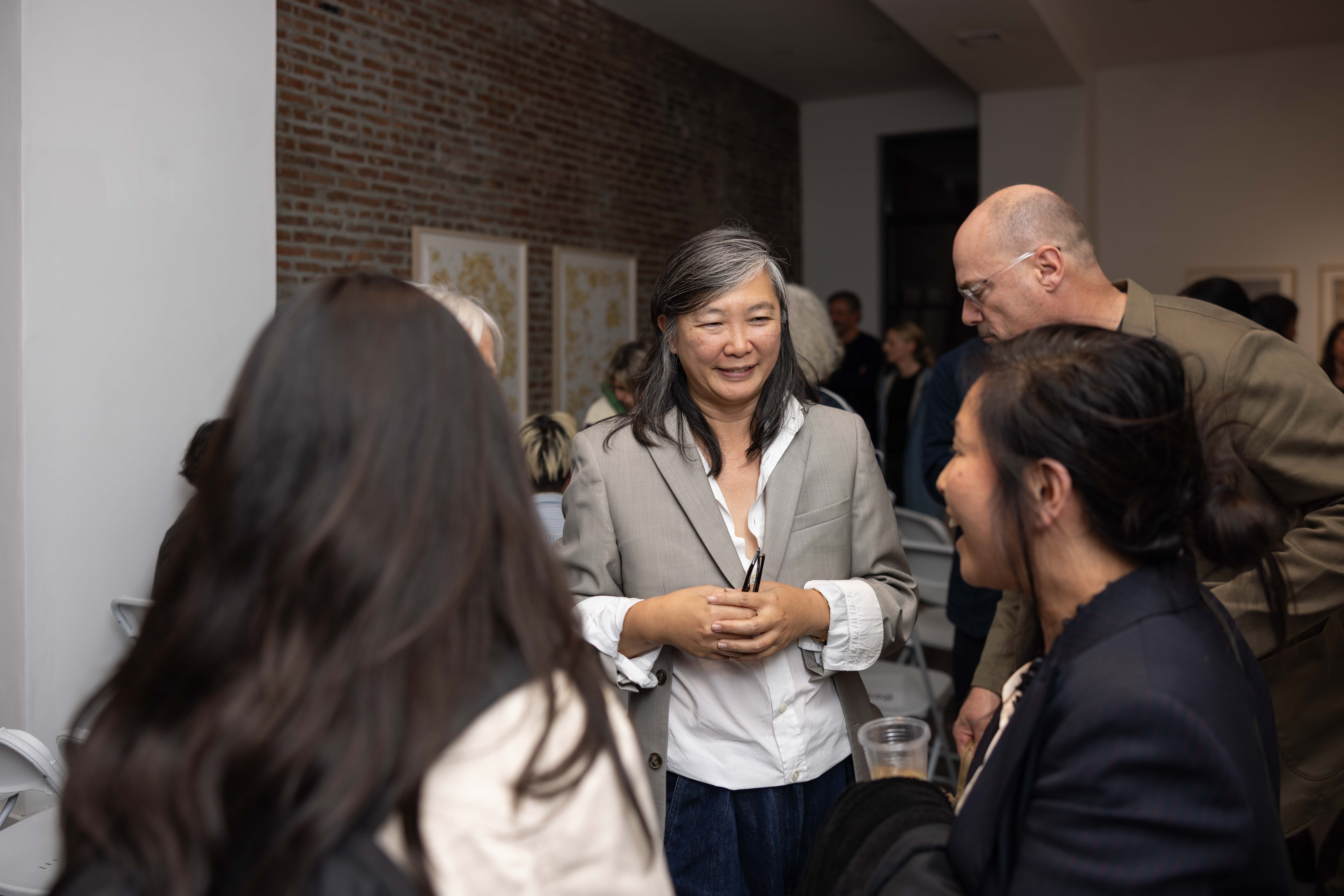
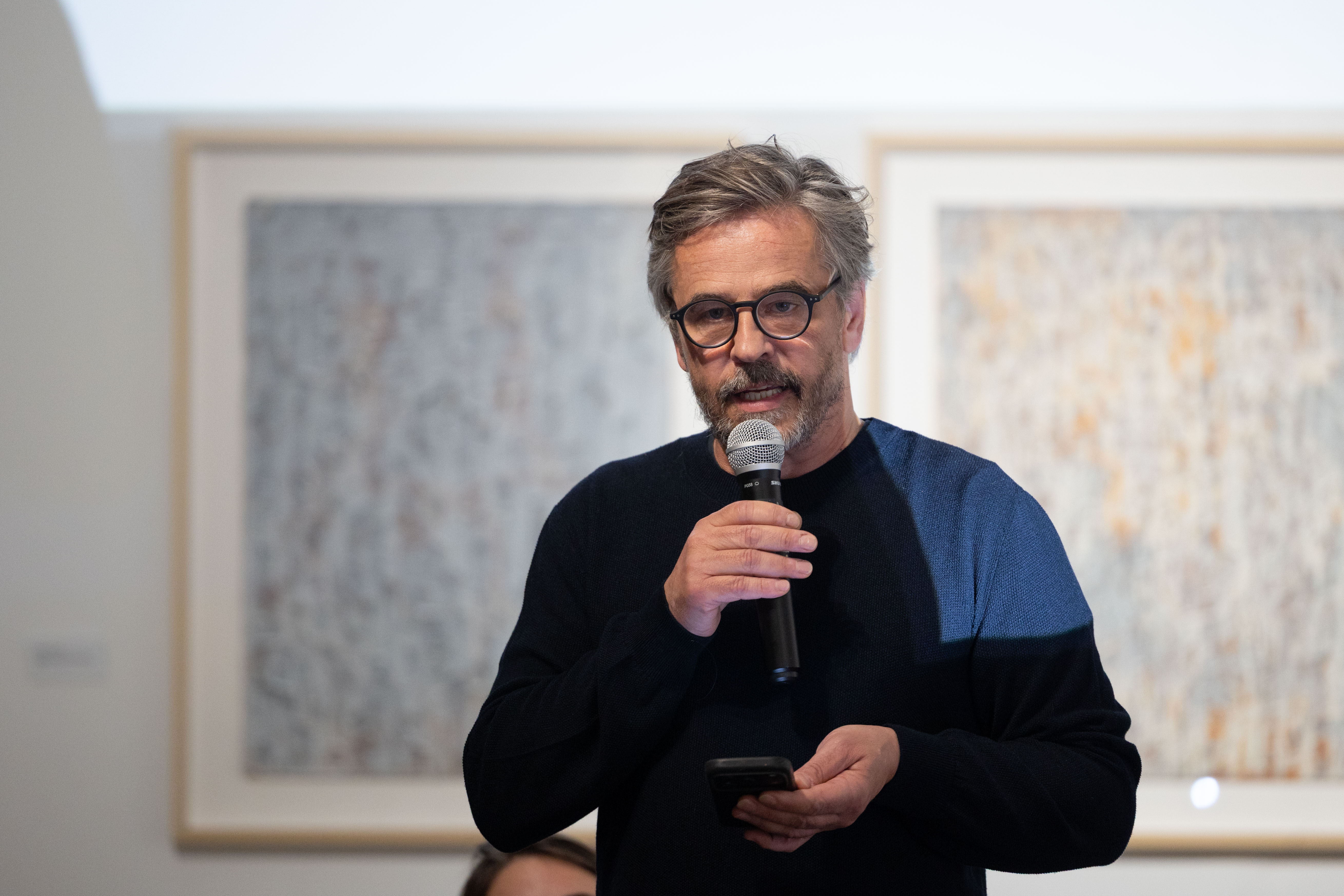
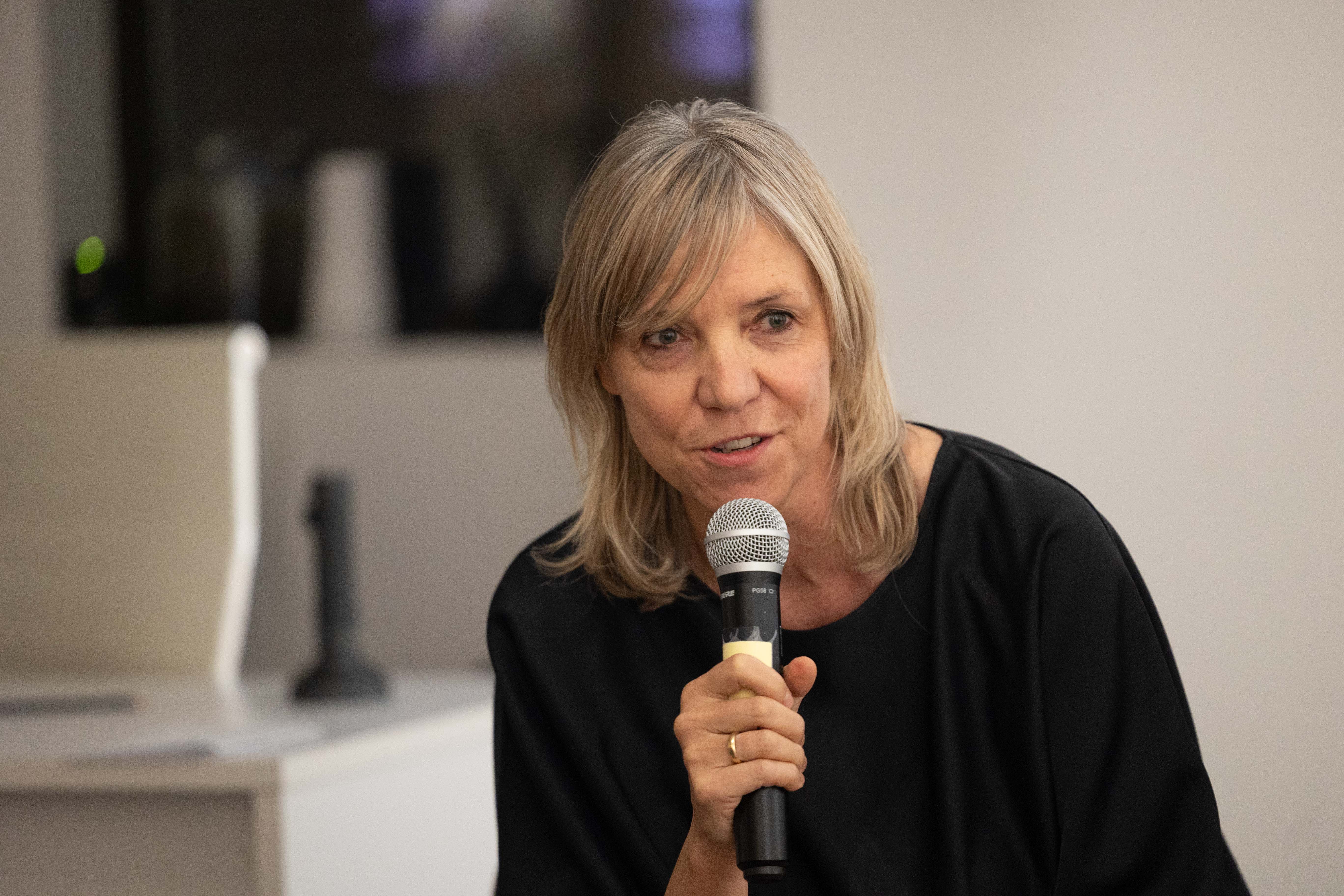
Event Photos: Roshni Khatri
Biographies
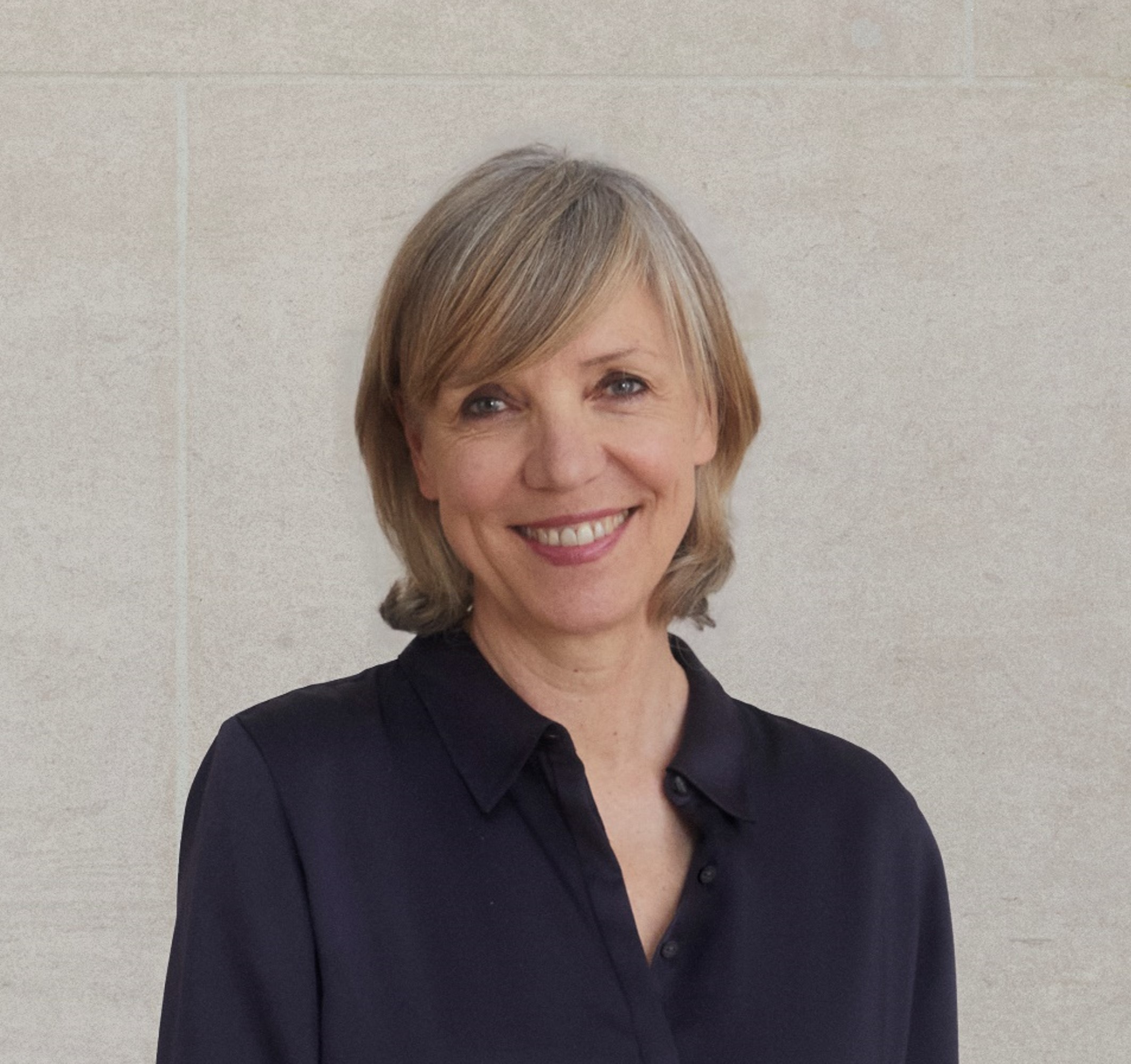
Appointed in February 2019, Inka Drögemüller is The Met Museum’s Deputy Director for Audience Engagement, overseeing Digital, Education, Marketing & Digital Content, Publications, Imaging, Libraries, and Live Arts. These seven departments work together as a cross-functional, audience-focused departmental group that creates and shares much of the Museum’s programming and content and reframes the Museum as a space for conversation, learning, and participation, both onsite and online.
Prior to joining The Met, she was Managing Director and Chief Operating Officer of Germany’s Städel Museum and Liebieghaus Sculptural Collection and Deputy Director of Schirn Kunsthalle Frankfurt. Chief among her accomplishments at these institutions were innovative digital and educational projects that expanded the museums’ outreach, introducing diverse audiences to collections, programming, and other initiatives.
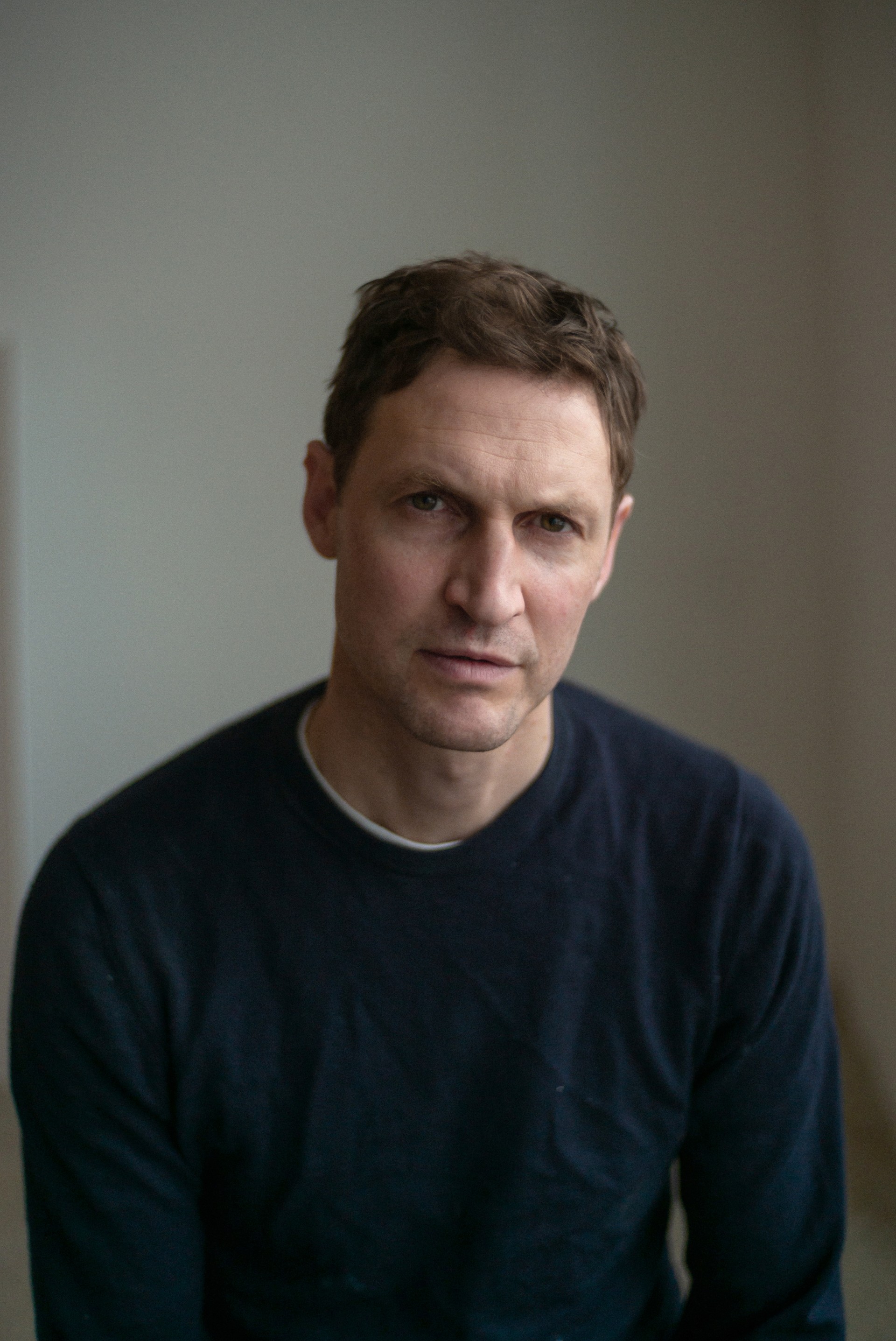
Umberto Bellardi Ricci is a New York–based German-Italian architect, sculptor, and designer. After years of teaching at the avant-garde Architectural Association in London, followed by Cornell University in New York, he established UBR Studio in the Brooklyn Navy Yard in2019. He launched his inaugural sculptural furniture collection with the exhibition Dawn at Matter Gallery in New York in June 2021.
Bellardi Ricci’s work revolves around the interplay of functionality and form, exploring the spatial aspect of sculpture through the lens of architecture. Transitioning his medium from concrete to metal and stone after relocating to New York, his recent practice celebrates the juxtaposition of industrial elements with refined textures of stone, glass, and textiles.
The New York Times feature “Lamps and Sculptures That Evoke New York City Skyscrapers” highlights the dialogue between Bellardi Ricci’s works and the Manhattan skyline, a vocabulary of forms that has become embedded in his practice.
As the architect and designer of Turner Prize laureate Laure Prouvost’s residence in Hackney, London, Bellardi Ricci has since received commissions from private collectors and clients across the U.S. and internationally. His collections have been exhibited in Milan, Paris, Copenhagen, Luxembourg, Antwerp, Berlin, and New York.
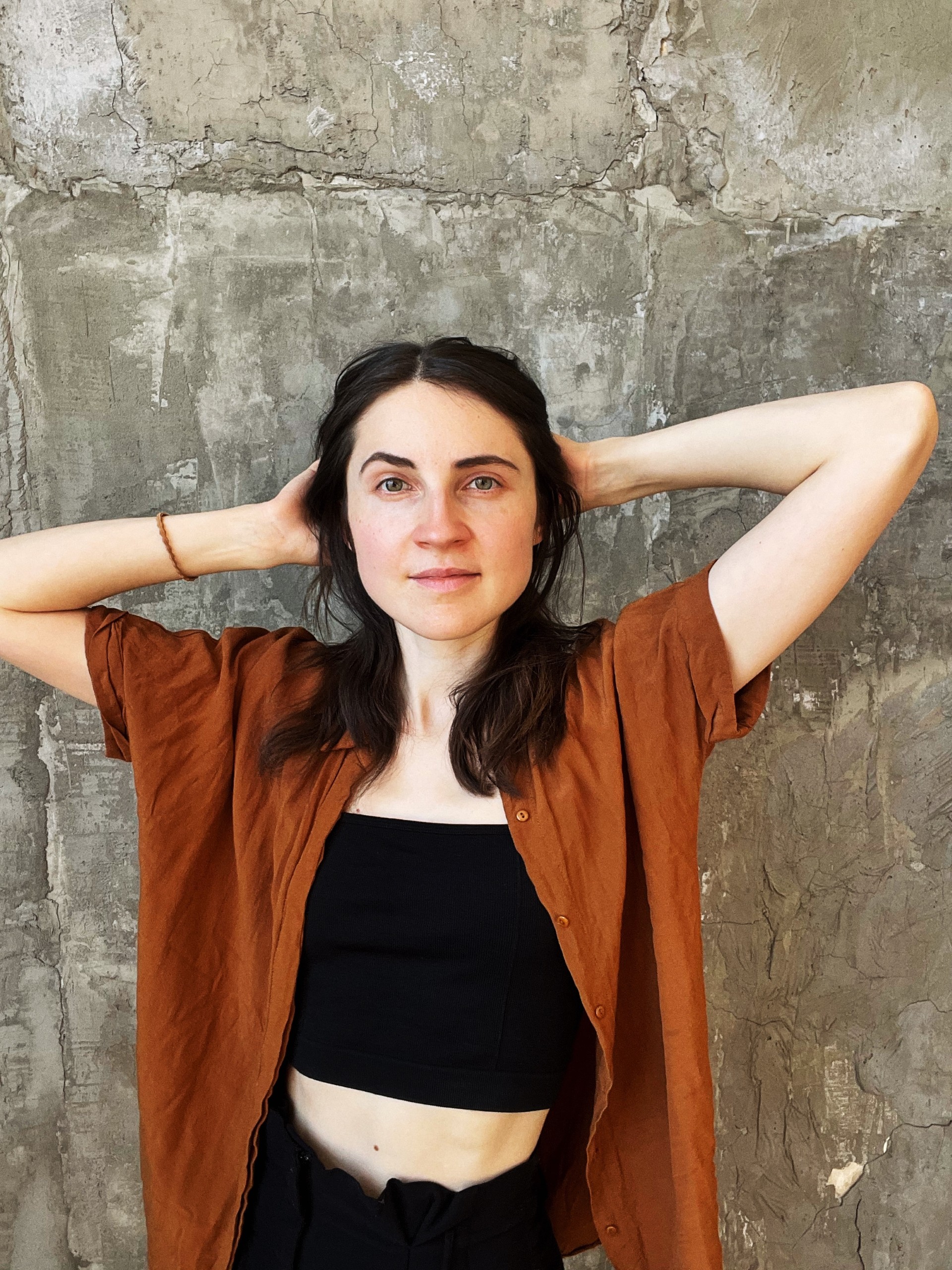
Sandra Kluge, born in Bremen, came to NYC in 2015 to work as a tap percussionist. She is known for recording, producing, and performing music in which tap is the exclusive percussive instrument. She has since branched out to a diverse array of other ventures: As the founder of Portico, she helps other extraordinary professionals with their O-1 visa applications, sharing what she has learned as a three-time recipient. She is also building sundry, a protein bar brand that features sophisticated flavors for people on the move. And on the move she is: Sandra’s longterm quest is to walk every street in NYC (all five boroughs), which she documents by taking a picture on each block.

Philipp von Dalwig received a degree in Architecture from the Technische Universität Kaiserslautern, Germany and graduated from Columbia University Graduate School of Architecture and Planning where he earned a Master of Science in Advanced Architectural Design degree and was the recipient of the Lowenfish Memorial Prize. Philipp is a licensed architect in Germany since 2005 and working across a range within both Europe and the United States. His experience ranges from large-scale competitions to smaller-scale commercial stores and residential housing. Philipp has taught courses in architecture at Columbia University, Parsons the New School for Design and the University of Pennsylvania School of Design. From 2011-2016, Philipp served as co-chair of the AIA New Practices committee, which was honored with an Award of Excellence for outstanding programs and exhibitions.



Creative identity is rarely formed in isolation. For decades, architects, artists, designers, and fashion innovators have moved between Europe and the United States, influencing one another’s ideas, practices, and cultural narratives along the way.
Made There, Shaped Here? explores how trans-Atlantic exchange shapes the way we understand creative identity—and whether that identity can still be meaningfully tied to place.
Rather than searching for a singular “European” or “New York” aesthetic, the discussion considers how cultural values, social conditions, and local contexts inform the way we think, create, and work. What, if anything, remains distinctly "local from one place" when creative practices move across borders? Does New York continue to define global creativity, or has its role evolved? And if there is no single national style, how do different traditions and cultural narratives continue to shape creative work?
At the heart of the conversation is the tension between the local and the global: how design can reflect national identity while simultaneously transcending it. Can creative work preserve a sense of place while embracing international influences? Or is identity itself transformed through movement, collaboration, and exchange?
Event Photos: Roshni Khatri
Biographies
Appointed in February 2019, Inka Drögemüller is The Met Museum’s Deputy Director for Audience Engagement, overseeing Digital, Education, Marketing & Digital Content, Publications, Imaging, Libraries, and Live Arts. These seven departments work together as a cross-functional, audience-focused departmental group that creates and shares much of the Museum’s programming and content and reframes the Museum as a space for conversation, learning, and participation, both onsite and online.
Prior to joining The Met, she was Managing Director and Chief Operating Officer of Germany’s Städel Museum and Liebieghaus Sculptural Collection and Deputy Director of Schirn Kunsthalle Frankfurt. Chief among her accomplishments at these institutions were innovative digital and educational projects that expanded the museums’ outreach, introducing diverse audiences to collections, programming, and other initiatives.
Umberto Bellardi Ricci is a New York–based German-Italian architect, sculptor, and designer. After years of teaching at the avant-garde Architectural Association in London, followed by Cornell University in New York, he established UBR Studio in the Brooklyn Navy Yard in2019. He launched his inaugural sculptural furniture collection with the exhibition Dawn at Matter Gallery in New York in June 2021.
Bellardi Ricci’s work revolves around the interplay of functionality and form, exploring the spatial aspect of sculpture through the lens of architecture. Transitioning his medium from concrete to metal and stone after relocating to New York, his recent practice celebrates the juxtaposition of industrial elements with refined textures of stone, glass, and textiles.
The New York Times feature “Lamps and Sculptures That Evoke New York City Skyscrapers” highlights the dialogue between Bellardi Ricci’s works and the Manhattan skyline, a vocabulary of forms that has become embedded in his practice.
As the architect and designer of Turner Prize laureate Laure Prouvost’s residence in Hackney, London, Bellardi Ricci has since received commissions from private collectors and clients across the U.S. and internationally. His collections have been exhibited in Milan, Paris, Copenhagen, Luxembourg, Antwerp, Berlin, and New York.
Sandra Kluge, born in Bremen, came to NYC in 2015 to work as a tap percussionist. She is known for recording, producing, and performing music in which tap is the exclusive percussive instrument. She has since branched out to a diverse array of other ventures: As the founder of Portico, she helps other extraordinary professionals with their O-1 visa applications, sharing what she has learned as a three-time recipient. She is also building sundry, a protein bar brand that features sophisticated flavors for people on the move. And on the move she is: Sandra’s longterm quest is to walk every street in NYC (all five boroughs), which she documents by taking a picture on each block.
Philipp von Dalwig received a degree in Architecture from the Technische Universität Kaiserslautern, Germany and graduated from Columbia University Graduate School of Architecture and Planning where he earned a Master of Science in Advanced Architectural Design degree and was the recipient of the Lowenfish Memorial Prize. Philipp is a licensed architect in Germany since 2005 and working across a range within both Europe and the United States. His experience ranges from large-scale competitions to smaller-scale commercial stores and residential housing. Philipp has taught courses in architecture at Columbia University, Parsons the New School for Design and the University of Pennsylvania School of Design. From 2011-2016, Philipp served as co-chair of the AIA New Practices committee, which was honored with an Award of Excellence for outstanding programs and exhibitions.

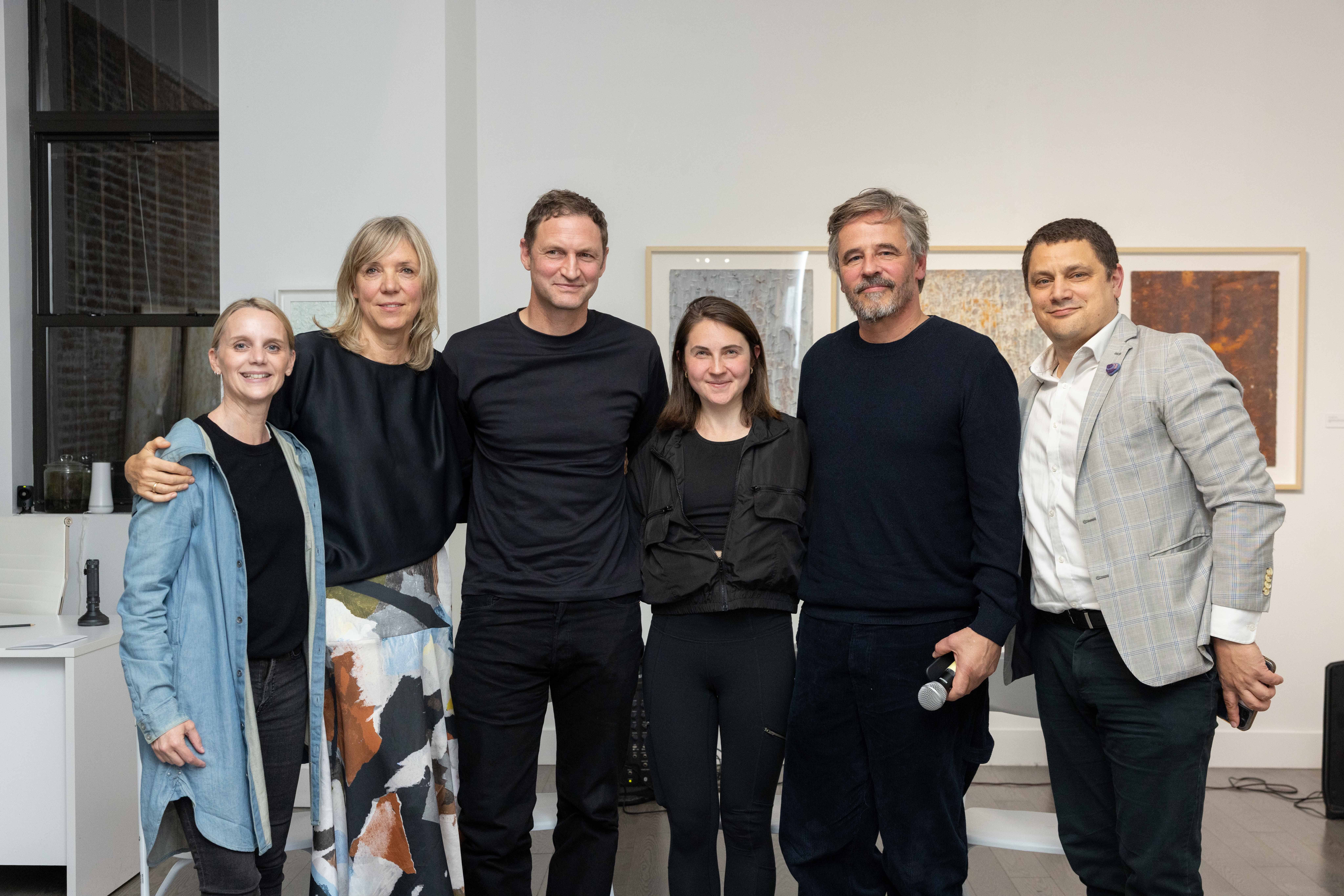
Creative identity is rarely formed in isolation. For decades, architects, artists, designers, and fashion innovators have moved between Europe and the United States, influencing one another’s ideas, practices, and cultural narratives along the way.
Made There, Shaped Here? explores how trans-Atlantic exchange shapes the way we understand creative identity—and whether that identity can still be meaningfully tied to place.
Rather than searching for a singular “European” or “New York” aesthetic, the discussion considers how cultural values, social conditions, and local contexts inform the way we think, create, and work. What, if anything, remains distinctly "local from one place" when creative practices move across borders? Does New York continue to define global creativity, or has its role evolved? And if there is no single national style, how do different traditions and cultural narratives continue to shape creative work?
At the heart of the conversation is the tension between the local and the global: how design can reflect national identity while simultaneously transcending it. Can creative work preserve a sense of place while embracing international influences? Or is identity itself transformed through movement, collaboration, and exchange?
Event Photos: Roshni Khatri
Biographies
Appointed in February 2019, Inka Drögemüller is The Met Museum’s Deputy Director for Audience Engagement, overseeing Digital, Education, Marketing & Digital Content, Publications, Imaging, Libraries, and Live Arts. These seven departments work together as a cross-functional, audience-focused departmental group that creates and shares much of the Museum’s programming and content and reframes the Museum as a space for conversation, learning, and participation, both onsite and online.
Prior to joining The Met, she was Managing Director and Chief Operating Officer of Germany’s Städel Museum and Liebieghaus Sculptural Collection and Deputy Director of Schirn Kunsthalle Frankfurt. Chief among her accomplishments at these institutions were innovative digital and educational projects that expanded the museums’ outreach, introducing diverse audiences to collections, programming, and other initiatives.
Umberto Bellardi Ricci is a New York–based German-Italian architect, sculptor, and designer. After years of teaching at the avant-garde Architectural Association in London, followed by Cornell University in New York, he established UBR Studio in the Brooklyn Navy Yard in2019. He launched his inaugural sculptural furniture collection with the exhibition Dawn at Matter Gallery in New York in June 2021.
Bellardi Ricci’s work revolves around the interplay of functionality and form, exploring the spatial aspect of sculpture through the lens of architecture. Transitioning his medium from concrete to metal and stone after relocating to New York, his recent practice celebrates the juxtaposition of industrial elements with refined textures of stone, glass, and textiles.
The New York Times feature “Lamps and Sculptures That Evoke New York City Skyscrapers” highlights the dialogue between Bellardi Ricci’s works and the Manhattan skyline, a vocabulary of forms that has become embedded in his practice.
As the architect and designer of Turner Prize laureate Laure Prouvost’s residence in Hackney, London, Bellardi Ricci has since received commissions from private collectors and clients across the U.S. and internationally. His collections have been exhibited in Milan, Paris, Copenhagen, Luxembourg, Antwerp, Berlin, and New York.
Sandra Kluge, born in Bremen, came to NYC in 2015 to work as a tap percussionist. She is known for recording, producing, and performing music in which tap is the exclusive percussive instrument. She has since branched out to a diverse array of other ventures: As the founder of Portico, she helps other extraordinary professionals with their O-1 visa applications, sharing what she has learned as a three-time recipient. She is also building sundry, a protein bar brand that features sophisticated flavors for people on the move. And on the move she is: Sandra’s longterm quest is to walk every street in NYC (all five boroughs), which she documents by taking a picture on each block.
Philipp von Dalwig received a degree in Architecture from the Technische Universität Kaiserslautern, Germany and graduated from Columbia University Graduate School of Architecture and Planning where he earned a Master of Science in Advanced Architectural Design degree and was the recipient of the Lowenfish Memorial Prize. Philipp is a licensed architect in Germany since 2005 and working across a range within both Europe and the United States. His experience ranges from large-scale competitions to smaller-scale commercial stores and residential housing. Philipp has taught courses in architecture at Columbia University, Parsons the New School for Design and the University of Pennsylvania School of Design. From 2011-2016, Philipp served as co-chair of the AIA New Practices committee, which was honored with an Award of Excellence for outstanding programs and exhibitions.
Session Recording
Gallery