.jpg)

.png)
Rethinking Trans-Atlantic Relations: Policy, Practice, and Partnership
.svg)
.svg)
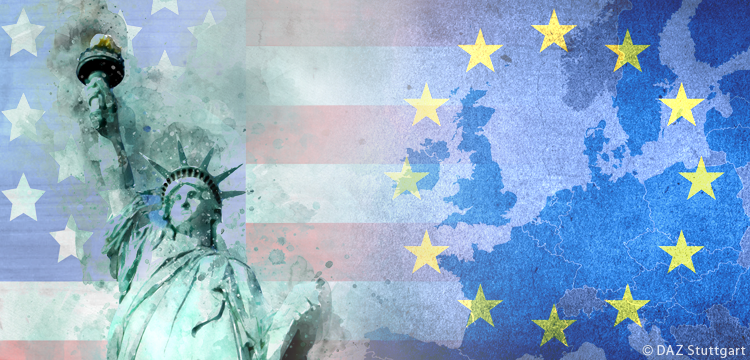
For decades, the strong partnership between the United States and Europe has been built on shared values and mutual trust. Yet, in a time marked by geopolitical tensions, ongoing conflicts, and growing debates about the future of international cooperation and multilateralism, the trans-Atlantic relationship faces both renewed expectations as well as new uncertainties.
How are political developments in Washington, Brussels, and Berlin reshaping the alliance? What role will security and trade play in defining the next chapter of trans-Atlantic ties? And how can we navigate disagreements while strengthening our shared interests? What is the role of civil society actors on both sides of the Atlantic and private friendships in fostering a stable relationship? In this discussion, Robin Quinville (former Director of the Wilson Center’s Global Europe Program) and David Sirakov (Director of the Atlantische Akademie Rheinland-Pfalz) will explore the challenges and opportunities facing one of the world’s most important bilateral partnerships.
Biography
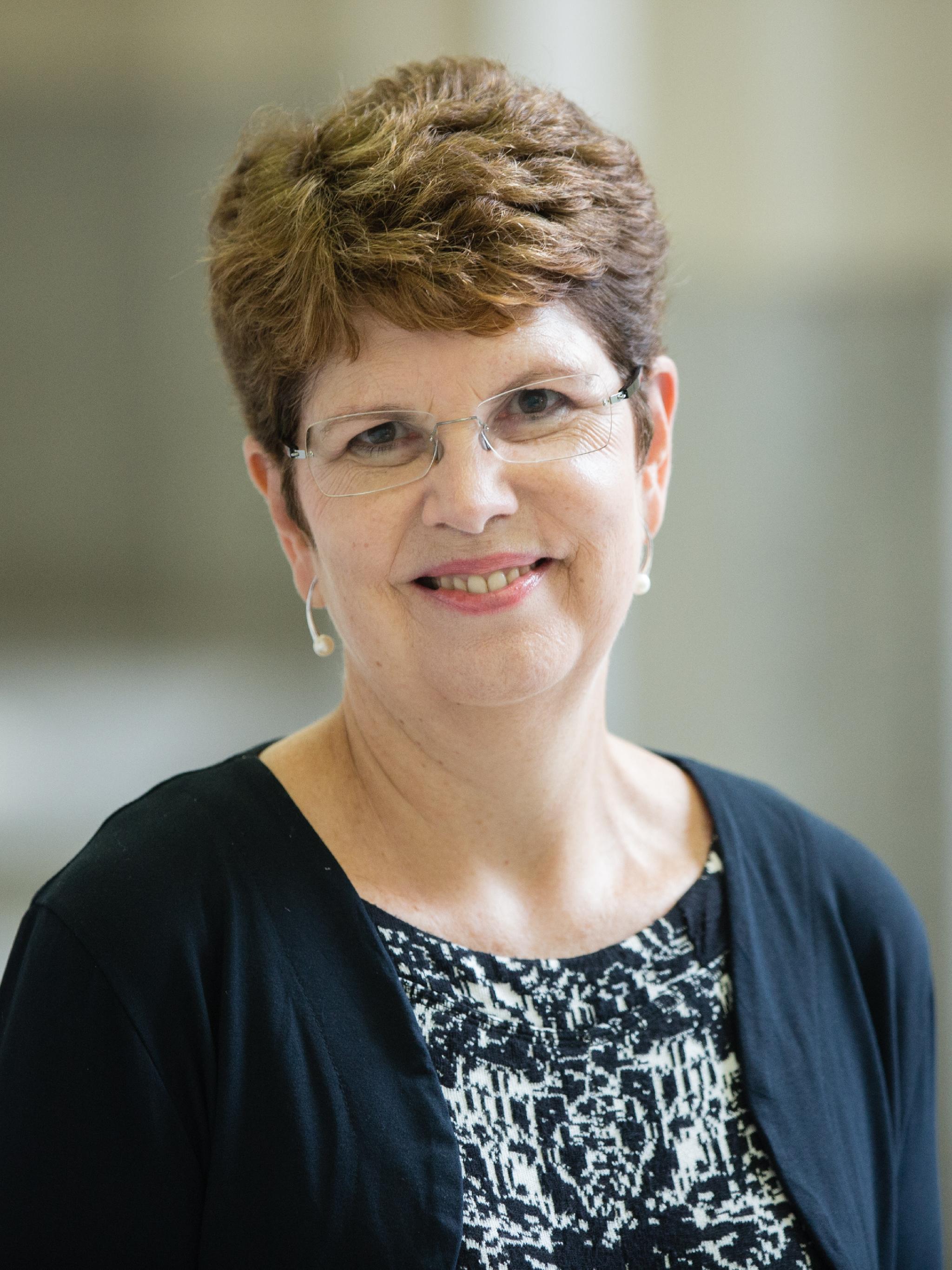
Robin Quinville is the former Director of the Wilson Center's Global Europe Program. She spent more than 30 years as a U.S. diplomat, having served primarily in Europe – including postings to two multilateral organizations (the Organization for Security and Cooperation in Europe and NATO) and bilateral postings to Cyprus, Bosnia, Greece, the United Kingdom, and Germany. She also spent a year in Baghdad, Iraq. In Washington, she directed the Office of Western European Affairs at the Department of State and served as a Wilson Center State Department Fellow for a year. Her last foreign posting was as the Charge d'Affaires at the U.S. Embassy in Berlin, Germany.
Ms. Quinville holds a master’s degree and M.PHIL from Columbia University, and a bachelor’s degree in political science from University of Redlands. She is widely recognized for her expertise in European affairs, alliance politics, and transatlantic cooperation.

David Sirakov is the Director of the Atlantische Akademie Rheinland-Pfalz and holds a Ph.D. in Political Science. He is a member of the advisory board of the Obama Institute for Transnational American Studies at Johannes Gutenberg University Mainz and serves as vice chairman on the board of the Association of German-American Centers (Verbund Deutsch-Amerikanischer Zentren, VDAZ). His work focuses on strengthening transatlantic relations through education, dialogue, and public engagement.
Together with Sarah Wagner, he co-hosts the podcast “Amerikas Verfassung. Politik und Gesellschaft in den USA,” which explores key issues in American domestic and foreign policy. His research and publications center on U.S. domestic politics, with particular attention to political and societal polarization, the rise of populism in both the United States and Europe, and U.S. foreign and security policy. Through his lectures, writing, and public outreach, he contributes to a deeper understanding of contemporary political developments on both sides of the Atlantic.



For decades, the strong partnership between the United States and Europe has been built on shared values and mutual trust. Yet, in a time marked by geopolitical tensions, ongoing conflicts, and growing debates about the future of international cooperation and multilateralism, the trans-Atlantic relationship faces both renewed expectations as well as new uncertainties.
How are political developments in Washington, Brussels, and Berlin reshaping the alliance? What role will security and trade play in defining the next chapter of trans-Atlantic ties? And how can we navigate disagreements while strengthening our shared interests? What is the role of civil society actors on both sides of the Atlantic and private friendships in fostering a stable relationship? In this discussion, Robin Quinville (former Director of the Wilson Center’s Global Europe Program) and David Sirakov (Director of the Atlantische Akademie Rheinland-Pfalz) will explore the challenges and opportunities facing one of the world’s most important bilateral partnerships.
Biography
Robin Quinville is the former Director of the Wilson Center's Global Europe Program. She spent more than 30 years as a U.S. diplomat, having served primarily in Europe – including postings to two multilateral organizations (the Organization for Security and Cooperation in Europe and NATO) and bilateral postings to Cyprus, Bosnia, Greece, the United Kingdom, and Germany. She also spent a year in Baghdad, Iraq. In Washington, she directed the Office of Western European Affairs at the Department of State and served as a Wilson Center State Department Fellow for a year. Her last foreign posting was as the Charge d'Affaires at the U.S. Embassy in Berlin, Germany.
Ms. Quinville holds a master’s degree and M.PHIL from Columbia University, and a bachelor’s degree in political science from University of Redlands. She is widely recognized for her expertise in European affairs, alliance politics, and transatlantic cooperation.
David Sirakov is the Director of the Atlantische Akademie Rheinland-Pfalz and holds a Ph.D. in Political Science. He is a member of the advisory board of the Obama Institute for Transnational American Studies at Johannes Gutenberg University Mainz and serves as vice chairman on the board of the Association of German-American Centers (Verbund Deutsch-Amerikanischer Zentren, VDAZ). His work focuses on strengthening transatlantic relations through education, dialogue, and public engagement.
Together with Sarah Wagner, he co-hosts the podcast “Amerikas Verfassung. Politik und Gesellschaft in den USA,” which explores key issues in American domestic and foreign policy. His research and publications center on U.S. domestic politics, with particular attention to political and societal polarization, the rise of populism in both the United States and Europe, and U.S. foreign and security policy. Through his lectures, writing, and public outreach, he contributes to a deeper understanding of contemporary political developments on both sides of the Atlantic.

For decades, the strong partnership between the United States and Europe has been built on shared values and mutual trust. Yet, in a time marked by geopolitical tensions, ongoing conflicts, and growing debates about the future of international cooperation and multilateralism, the trans-Atlantic relationship faces both renewed expectations as well as new uncertainties.
How are political developments in Washington, Brussels, and Berlin reshaping the alliance? What role will security and trade play in defining the next chapter of trans-Atlantic ties? And how can we navigate disagreements while strengthening our shared interests? What is the role of civil society actors on both sides of the Atlantic and private friendships in fostering a stable relationship? In this discussion, Robin Quinville (former Director of the Wilson Center’s Global Europe Program) and David Sirakov (Director of the Atlantische Akademie Rheinland-Pfalz) will explore the challenges and opportunities facing one of the world’s most important bilateral partnerships.
Biography
Robin Quinville is the former Director of the Wilson Center's Global Europe Program. She spent more than 30 years as a U.S. diplomat, having served primarily in Europe – including postings to two multilateral organizations (the Organization for Security and Cooperation in Europe and NATO) and bilateral postings to Cyprus, Bosnia, Greece, the United Kingdom, and Germany. She also spent a year in Baghdad, Iraq. In Washington, she directed the Office of Western European Affairs at the Department of State and served as a Wilson Center State Department Fellow for a year. Her last foreign posting was as the Charge d'Affaires at the U.S. Embassy in Berlin, Germany.
Ms. Quinville holds a master’s degree and M.PHIL from Columbia University, and a bachelor’s degree in political science from University of Redlands. She is widely recognized for her expertise in European affairs, alliance politics, and transatlantic cooperation.
David Sirakov is the Director of the Atlantische Akademie Rheinland-Pfalz and holds a Ph.D. in Political Science. He is a member of the advisory board of the Obama Institute for Transnational American Studies at Johannes Gutenberg University Mainz and serves as vice chairman on the board of the Association of German-American Centers (Verbund Deutsch-Amerikanischer Zentren, VDAZ). His work focuses on strengthening transatlantic relations through education, dialogue, and public engagement.
Together with Sarah Wagner, he co-hosts the podcast “Amerikas Verfassung. Politik und Gesellschaft in den USA,” which explores key issues in American domestic and foreign policy. His research and publications center on U.S. domestic politics, with particular attention to political and societal polarization, the rise of populism in both the United States and Europe, and U.S. foreign and security policy. Through his lectures, writing, and public outreach, he contributes to a deeper understanding of contemporary political developments on both sides of the Atlantic.