.jpg)

.png)
NIGHT LAB II | ENGINEERED EVOLUTION
.svg)
.svg)
What if materials become a bridge between biology and computation? How do we redesign the body and the mind? What happens when evolution moves from the natural world into the design studio?
With Night Lab II, we are shifting from “building around us” to “building within us”. The segment explores how synthetic biology and neuroscience are merging to augment human capability and perception.
We enter a territory where the body meets neural interfaces, conductive biomaterials become implantable bioelectronics, and brain-computer interfaces begin to blur the boundaries between prosthetics, sensation, and perception.
Biographies
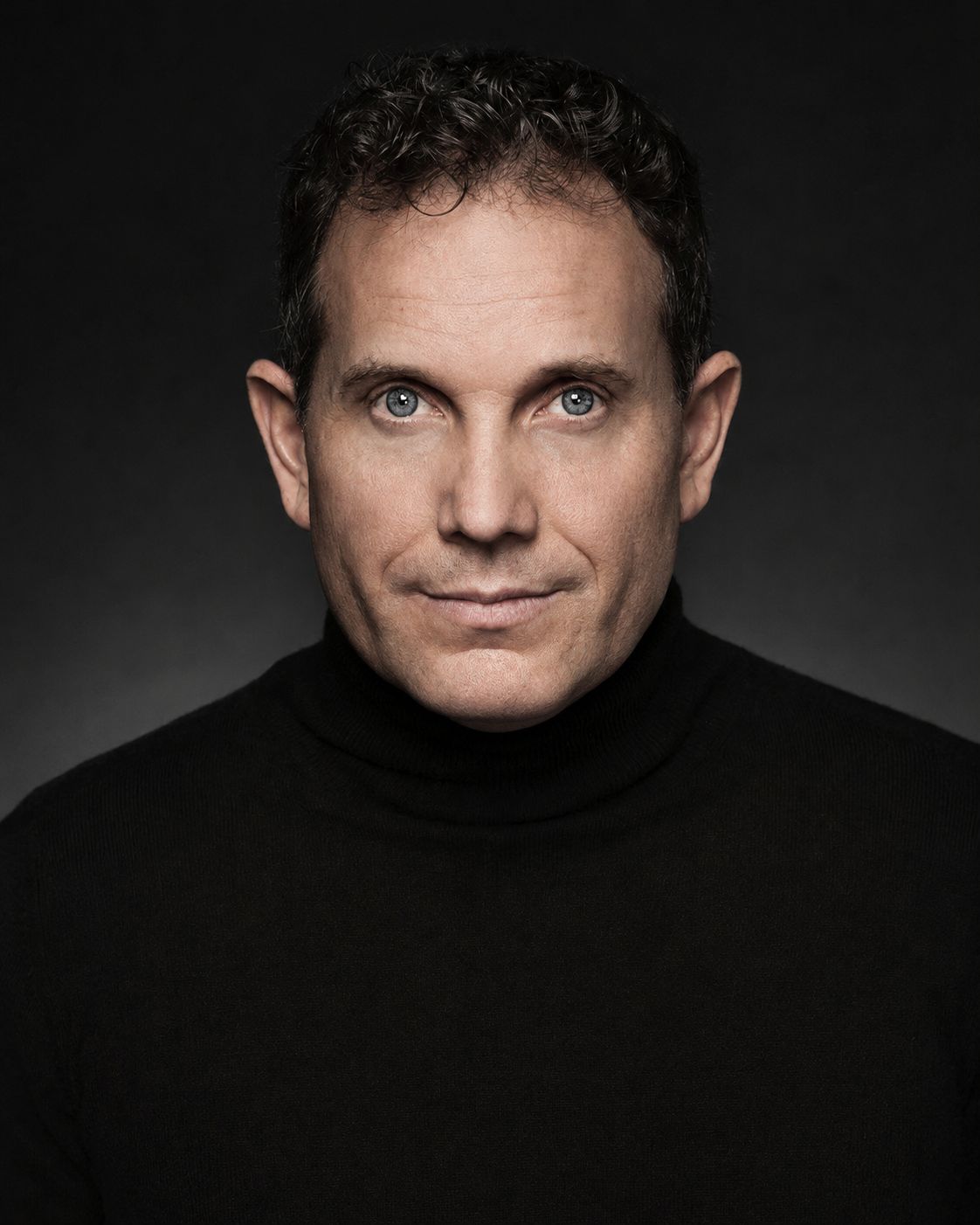
Dr. Patrick Kramer is a German entrepreneur, author, and keynote speaker focused on human enhancement and the evolving relationship between biology and technology. For more than a decade, he has explored how digital systems, emerging technologies, and human-machine interfaces are beginning to reshape the boundaries of the human body.
His work combines practical experimentation with a broader perspective on autonomy, identity, and the societal implications of augmentation. Through his company Upgraded Humans and his international speaking work, Kramer examines a central question of the coming decades: what happens when technology no longer simply supports the human body, but increasingly becomes part of it?
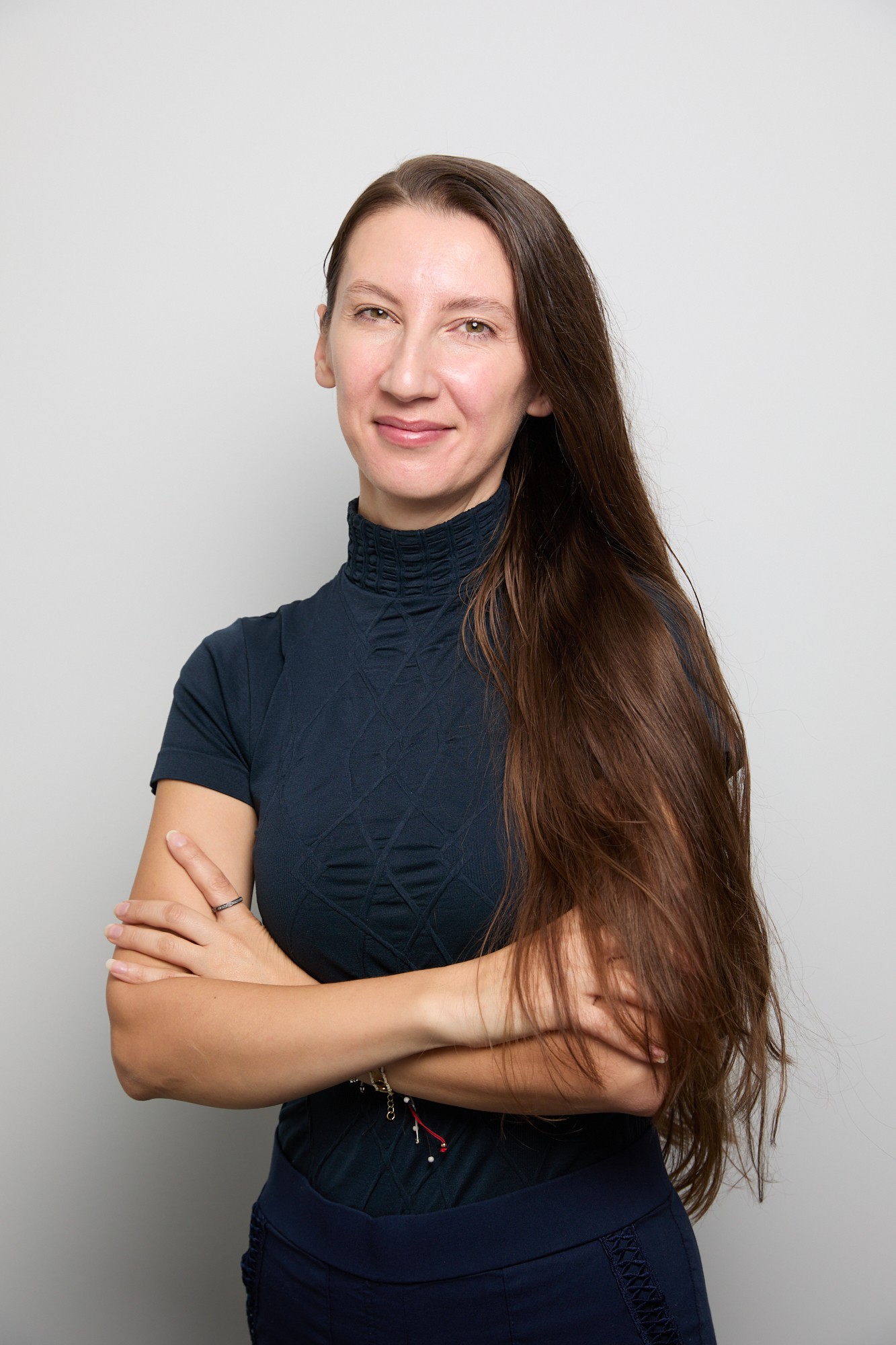
Eriona Hysolli completed her PhD work at Yale University - Genetics Department, working on derivation and characterization of human induced pluripotent stem cells (iPSCs) and the role of microRNAs in this process. She went on to do postdoctoral training in George Church’s lab where she published studies on genomically-recoded bacteria - mammalian cells co-culture systems, multiplex genome engineering approaches for human genome recoding. Furthermore, in his laboratory, she derived the first reprogrammed African elephant iPSCs, and led the woolly mammoth de-extinction efforts, work that she carried forward at Colossal Biosciences as Head of Biological Sciences. There she led the efforts to de-extinct the woolly mammoth, working on Proboscidean comparative genomics and reference genome assemblies, including a first attempt at the woolly mammoth reference genome with long-read sequencing, multiplex editing in embryo for trait engineering and de-extinction, first ever published report derivation and characterization of Asian elephant iPSCs, as well as biobanking efforts for elephant conservation. She is now a Founder of a startup with a mission to untangle the complexity of common diseases. Eriona is also a Time 100 Next recipient.
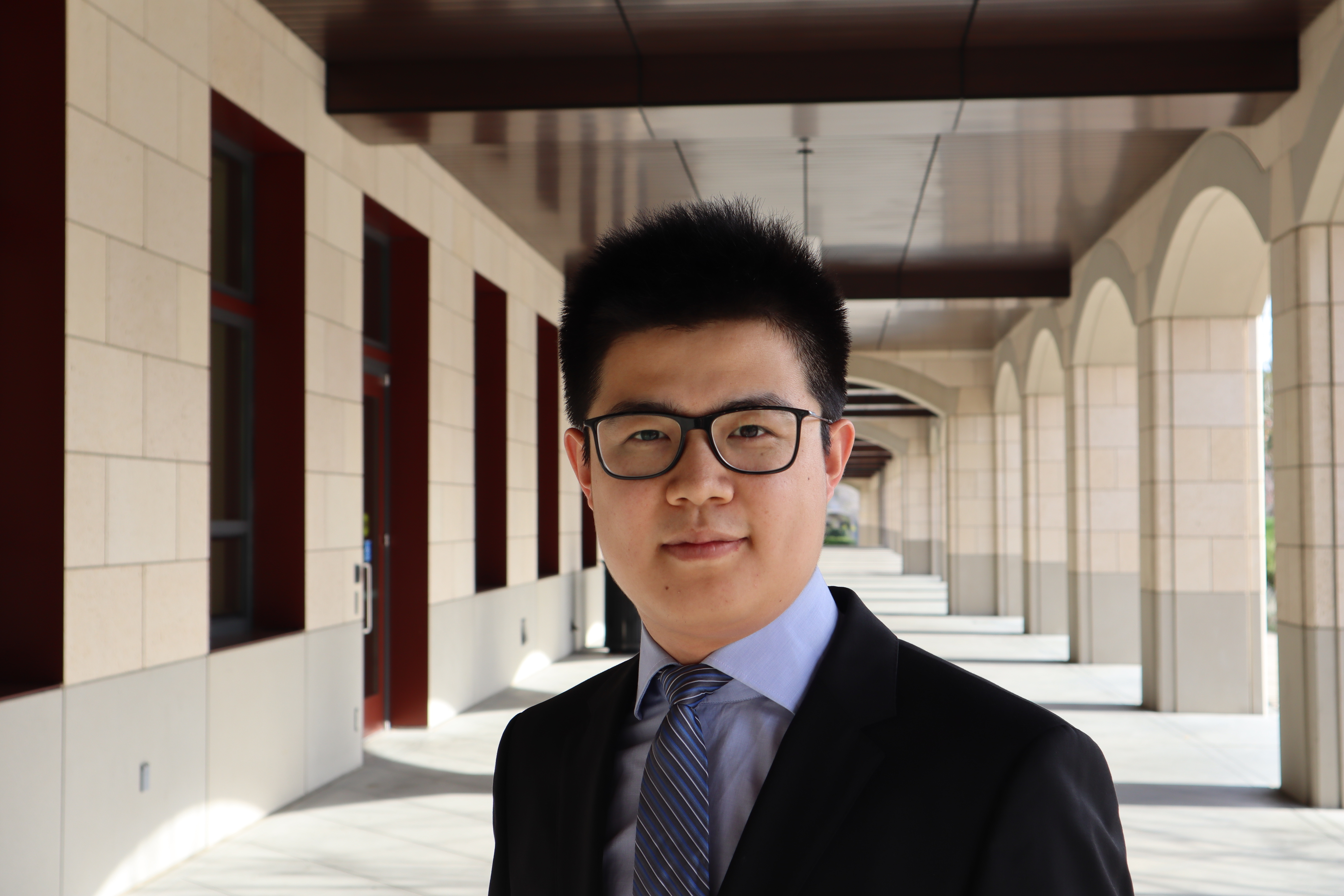
Dr. Simiao Niu is an Assistant Professor of Biomedical Engineering at Rutgers University and one of the most cited young researchers in his field, with over 37,000 citations and four consecutive years on the Clarivate Web of Science Highly Cited Researcher list. His research sits at the intersection of living biology and flexible electronics — developing skin-integrated, wireless, battery-free devices that don't just monitor the body but actively intervene in it.
Before academia, Niu worked as a hardware engineer on the health sensing team at Apple, where he helped develop the ECGmodule for the Apple Watch Series 6, 7, 8, and Ultra — a technology now on hundreds of millions of wrists. That experience seeded a larger question: if a wearable could read the heart, could it also heal the skin? Back in the lab, heco-developed two landmark platforms. The first is a wireless smart bandage, published in Nature Biotechnology, that harvests radiofrequency energy from the air to electrically stimulate cell migration and accelerate wound healing while simultaneously monitoring the healing process in real time. The second is ABLE— Active Bio integrated Living Electronics — a skin-like patch combining flexible circuits, a tissue-mimicking hydrogel, and living bacteria that naturally reside on healthy human skin, which secrete anti-inflammatory compounds directly into psoriasis lesions while sensors track the body's response. Published in Science in 2024, ABLE is described as a living drug —the first device where the therapy itself is biological, not pharmaceutical.
Named to the MIT Technology Review Innovators Under 35 Asia Pacific list and a Research.com Rising Star of Science, Niu represents a new generation of biomedical engineers who move fluently between industrial product development and frontier research — and whose work asks, concretely and urgently, what the body becomes when electronics dissolve into it.
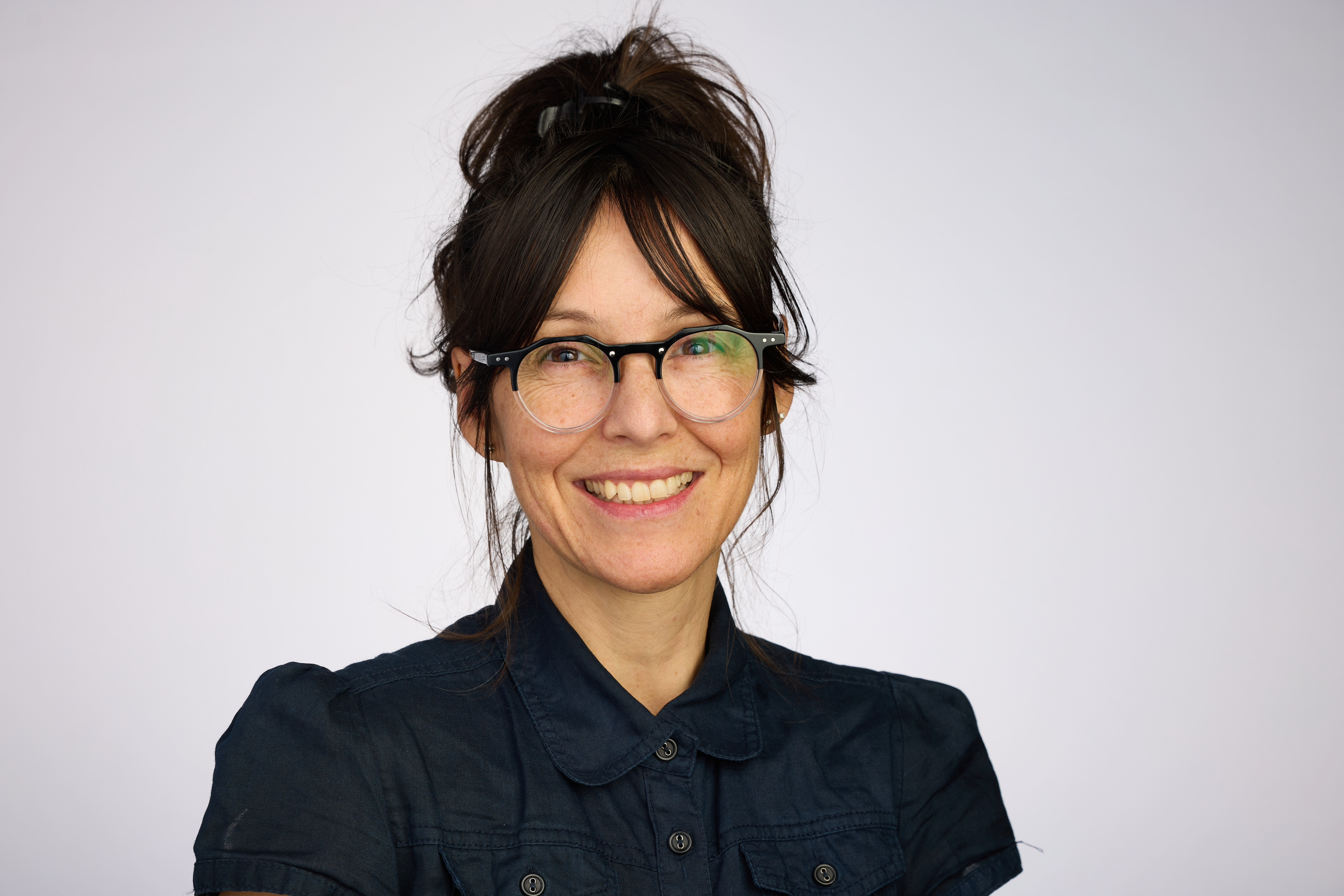
Allison Waters, PhD, is a clinical neuroscientist and neurotechnology researcher at the Icahn School of Medicine at Mount Sinai. At the Nash Family Center for Advanced Circuit Therapeutics (C-ACT), she directs the Neurobehavioral Therapeutics Lab, where she develops and studies technologies that interact directly with the human nervous system, including deep brain stimulation for psychiatric and neurological disorders and noninvasive sleep neuromodulation. Her work advances the concept of cyborgification: the lived process by which people integrate technology not only into their bodies and brains, but into their identities, behavior, and everyday lives. She writes and speaks about what emerging neurotechnology means for human agency, adaptation, and flourishing.
Thank you to our Part II program partners, Vitra and DWIH. Thank you also to the American Council on Gwremany, Campus OWL, Deutsches Haus at NYU, Goethe-Institut New York, Heidelberg University Association, UAS7, University of Cologne New York Office, The University of Freiburg, and UA Ruhr North America for their support.
About the Next Frontiers Symposium
New Spaces. Creative Thinking. Shared Futures
A forward-looking, trans-Atlantic symposium exploring the future of culture, science, technology, and sustainable design where tomorrow’s ideas take shape.
DELIVERING THE NEXT FRONTIERS
How do we get from here to there?
Part II of the Next Frontiers symposium examines how discoveries and innovations are translated into tangible outcomes. From quantum computing and AI to synthetic biology, regenerative materials, neuroscience, and sports science, this three-part series explores the practical frontiers of human potential and technological advancement.
Across sessions, leading experts from the United States and Germany will highlight emerging applications, cutting-edge research, and forward-looking strategies that transform ideas into products, technologies, and experiences, demonstrating how the next frontiers are not just imagined, but delivered. At its core, the series is a story about collaboration: between disciplines, between nations, and between the human and the non-human world.
Next Frontiers II unfolds across three Night Labs, each building on the last:
Night Lab I begins with matter itself — the raw stuff of the built world — and asks what happens when materials become computational and eventually alive. Night Lab II moves inward, to the body and the brain, exploring how synthetic biology and neuroscience are redrawing the boundary between organism and machine. Night Lab III pushes outward into human performance, asking how data, biology, and technology are redefining the limits of what the body and mind can achieve. Together, the three sessions trace a single arc: from the materials we build with, to the bodies we inhabit, to the performance we are capable of.
Each Night Lab follows the same format: part salon, part laboratory, part performance.










What if materials become a bridge between biology and computation? How do we redesign the body and the mind? What happens when evolution moves from the natural world into the design studio?
With Night Lab II, we are shifting from “building around us” to “building within us”. The segment explores how synthetic biology and neuroscience are merging to augment human capability and perception.
We enter a territory where the body meets neural interfaces, conductive biomaterials become implantable bioelectronics, and brain-computer interfaces begin to blur the boundaries between prosthetics, sensation, and perception.
Biographies
Dr. Patrick Kramer is a German entrepreneur, author, and keynote speaker focused on human enhancement and the evolving relationship between biology and technology. For more than a decade, he has explored how digital systems, emerging technologies, and human-machine interfaces are beginning to reshape the boundaries of the human body.
His work combines practical experimentation with a broader perspective on autonomy, identity, and the societal implications of augmentation. Through his company Upgraded Humans and his international speaking work, Kramer examines a central question of the coming decades: what happens when technology no longer simply supports the human body, but increasingly becomes part of it?
Eriona Hysolli completed her PhD work at Yale University - Genetics Department, working on derivation and characterization of human induced pluripotent stem cells (iPSCs) and the role of microRNAs in this process. She went on to do postdoctoral training in George Church’s lab where she published studies on genomically-recoded bacteria - mammalian cells co-culture systems, multiplex genome engineering approaches for human genome recoding. Furthermore, in his laboratory, she derived the first reprogrammed African elephant iPSCs, and led the woolly mammoth de-extinction efforts, work that she carried forward at Colossal Biosciences as Head of Biological Sciences. There she led the efforts to de-extinct the woolly mammoth, working on Proboscidean comparative genomics and reference genome assemblies, including a first attempt at the woolly mammoth reference genome with long-read sequencing, multiplex editing in embryo for trait engineering and de-extinction, first ever published report derivation and characterization of Asian elephant iPSCs, as well as biobanking efforts for elephant conservation. She is now a Founder of a startup with a mission to untangle the complexity of common diseases. Eriona is also a Time 100 Next recipient.
Dr. Simiao Niu is an Assistant Professor of Biomedical Engineering at Rutgers University and one of the most cited young researchers in his field, with over 37,000 citations and four consecutive years on the Clarivate Web of Science Highly Cited Researcher list. His research sits at the intersection of living biology and flexible electronics — developing skin-integrated, wireless, battery-free devices that don't just monitor the body but actively intervene in it.
Before academia, Niu worked as a hardware engineer on the health sensing team at Apple, where he helped develop the ECGmodule for the Apple Watch Series 6, 7, 8, and Ultra — a technology now on hundreds of millions of wrists. That experience seeded a larger question: if a wearable could read the heart, could it also heal the skin? Back in the lab, heco-developed two landmark platforms. The first is a wireless smart bandage, published in Nature Biotechnology, that harvests radiofrequency energy from the air to electrically stimulate cell migration and accelerate wound healing while simultaneously monitoring the healing process in real time. The second is ABLE— Active Bio integrated Living Electronics — a skin-like patch combining flexible circuits, a tissue-mimicking hydrogel, and living bacteria that naturally reside on healthy human skin, which secrete anti-inflammatory compounds directly into psoriasis lesions while sensors track the body's response. Published in Science in 2024, ABLE is described as a living drug —the first device where the therapy itself is biological, not pharmaceutical.
Named to the MIT Technology Review Innovators Under 35 Asia Pacific list and a Research.com Rising Star of Science, Niu represents a new generation of biomedical engineers who move fluently between industrial product development and frontier research — and whose work asks, concretely and urgently, what the body becomes when electronics dissolve into it.
Allison Waters, PhD, is a clinical neuroscientist and neurotechnology researcher at the Icahn School of Medicine at Mount Sinai. At the Nash Family Center for Advanced Circuit Therapeutics (C-ACT), she directs the Neurobehavioral Therapeutics Lab, where she develops and studies technologies that interact directly with the human nervous system, including deep brain stimulation for psychiatric and neurological disorders and noninvasive sleep neuromodulation. Her work advances the concept of cyborgification: the lived process by which people integrate technology not only into their bodies and brains, but into their identities, behavior, and everyday lives. She writes and speaks about what emerging neurotechnology means for human agency, adaptation, and flourishing.
Thank you to our Part II program partners, Vitra and DWIH. Thank you also to the American Council on Gwremany, Campus OWL, Deutsches Haus at NYU, Goethe-Institut New York, Heidelberg University Association, UAS7, University of Cologne New York Office, The University of Freiburg, and UA Ruhr North America for their support.
About the Next Frontiers Symposium
New Spaces. Creative Thinking. Shared Futures
A forward-looking, trans-Atlantic symposium exploring the future of culture, science, technology, and sustainable design where tomorrow’s ideas take shape.
DELIVERING THE NEXT FRONTIERS
How do we get from here to there?
Part II of the Next Frontiers symposium examines how discoveries and innovations are translated into tangible outcomes. From quantum computing and AI to synthetic biology, regenerative materials, neuroscience, and sports science, this three-part series explores the practical frontiers of human potential and technological advancement.
Across sessions, leading experts from the United States and Germany will highlight emerging applications, cutting-edge research, and forward-looking strategies that transform ideas into products, technologies, and experiences, demonstrating how the next frontiers are not just imagined, but delivered. At its core, the series is a story about collaboration: between disciplines, between nations, and between the human and the non-human world.
Next Frontiers II unfolds across three Night Labs, each building on the last:
Night Lab I begins with matter itself — the raw stuff of the built world — and asks what happens when materials become computational and eventually alive. Night Lab II moves inward, to the body and the brain, exploring how synthetic biology and neuroscience are redrawing the boundary between organism and machine. Night Lab III pushes outward into human performance, asking how data, biology, and technology are redefining the limits of what the body and mind can achieve. Together, the three sessions trace a single arc: from the materials we build with, to the bodies we inhabit, to the performance we are capable of.
Each Night Lab follows the same format: part salon, part laboratory, part performance.

What if materials become a bridge between biology and computation? How do we redesign the body and the mind? What happens when evolution moves from the natural world into the design studio?
With Night Lab II, we are shifting from “building around us” to “building within us”. The segment explores how synthetic biology and neuroscience are merging to augment human capability and perception.
We enter a territory where the body meets neural interfaces, conductive biomaterials become implantable bioelectronics, and brain-computer interfaces begin to blur the boundaries between prosthetics, sensation, and perception.
Biographies
Dr. Patrick Kramer is a German entrepreneur, author, and keynote speaker focused on human enhancement and the evolving relationship between biology and technology. For more than a decade, he has explored how digital systems, emerging technologies, and human-machine interfaces are beginning to reshape the boundaries of the human body.
His work combines practical experimentation with a broader perspective on autonomy, identity, and the societal implications of augmentation. Through his company Upgraded Humans and his international speaking work, Kramer examines a central question of the coming decades: what happens when technology no longer simply supports the human body, but increasingly becomes part of it?
Eriona Hysolli completed her PhD work at Yale University - Genetics Department, working on derivation and characterization of human induced pluripotent stem cells (iPSCs) and the role of microRNAs in this process. She went on to do postdoctoral training in George Church’s lab where she published studies on genomically-recoded bacteria - mammalian cells co-culture systems, multiplex genome engineering approaches for human genome recoding. Furthermore, in his laboratory, she derived the first reprogrammed African elephant iPSCs, and led the woolly mammoth de-extinction efforts, work that she carried forward at Colossal Biosciences as Head of Biological Sciences. There she led the efforts to de-extinct the woolly mammoth, working on Proboscidean comparative genomics and reference genome assemblies, including a first attempt at the woolly mammoth reference genome with long-read sequencing, multiplex editing in embryo for trait engineering and de-extinction, first ever published report derivation and characterization of Asian elephant iPSCs, as well as biobanking efforts for elephant conservation. She is now a Founder of a startup with a mission to untangle the complexity of common diseases. Eriona is also a Time 100 Next recipient.
Dr. Simiao Niu is an Assistant Professor of Biomedical Engineering at Rutgers University and one of the most cited young researchers in his field, with over 37,000 citations and four consecutive years on the Clarivate Web of Science Highly Cited Researcher list. His research sits at the intersection of living biology and flexible electronics — developing skin-integrated, wireless, battery-free devices that don't just monitor the body but actively intervene in it.
Before academia, Niu worked as a hardware engineer on the health sensing team at Apple, where he helped develop the ECGmodule for the Apple Watch Series 6, 7, 8, and Ultra — a technology now on hundreds of millions of wrists. That experience seeded a larger question: if a wearable could read the heart, could it also heal the skin? Back in the lab, heco-developed two landmark platforms. The first is a wireless smart bandage, published in Nature Biotechnology, that harvests radiofrequency energy from the air to electrically stimulate cell migration and accelerate wound healing while simultaneously monitoring the healing process in real time. The second is ABLE— Active Bio integrated Living Electronics — a skin-like patch combining flexible circuits, a tissue-mimicking hydrogel, and living bacteria that naturally reside on healthy human skin, which secrete anti-inflammatory compounds directly into psoriasis lesions while sensors track the body's response. Published in Science in 2024, ABLE is described as a living drug —the first device where the therapy itself is biological, not pharmaceutical.
Named to the MIT Technology Review Innovators Under 35 Asia Pacific list and a Research.com Rising Star of Science, Niu represents a new generation of biomedical engineers who move fluently between industrial product development and frontier research — and whose work asks, concretely and urgently, what the body becomes when electronics dissolve into it.
Allison Waters, PhD, is a clinical neuroscientist and neurotechnology researcher at the Icahn School of Medicine at Mount Sinai. At the Nash Family Center for Advanced Circuit Therapeutics (C-ACT), she directs the Neurobehavioral Therapeutics Lab, where she develops and studies technologies that interact directly with the human nervous system, including deep brain stimulation for psychiatric and neurological disorders and noninvasive sleep neuromodulation. Her work advances the concept of cyborgification: the lived process by which people integrate technology not only into their bodies and brains, but into their identities, behavior, and everyday lives. She writes and speaks about what emerging neurotechnology means for human agency, adaptation, and flourishing.
Thank you to our Part II program partners, Vitra and DWIH. Thank you also to the American Council on Gwremany, Campus OWL, Deutsches Haus at NYU, Goethe-Institut New York, Heidelberg University Association, UAS7, University of Cologne New York Office, The University of Freiburg, and UA Ruhr North America for their support.
About the Next Frontiers Symposium
New Spaces. Creative Thinking. Shared Futures
A forward-looking, trans-Atlantic symposium exploring the future of culture, science, technology, and sustainable design where tomorrow’s ideas take shape.
DELIVERING THE NEXT FRONTIERS
How do we get from here to there?
Part II of the Next Frontiers symposium examines how discoveries and innovations are translated into tangible outcomes. From quantum computing and AI to synthetic biology, regenerative materials, neuroscience, and sports science, this three-part series explores the practical frontiers of human potential and technological advancement.
Across sessions, leading experts from the United States and Germany will highlight emerging applications, cutting-edge research, and forward-looking strategies that transform ideas into products, technologies, and experiences, demonstrating how the next frontiers are not just imagined, but delivered. At its core, the series is a story about collaboration: between disciplines, between nations, and between the human and the non-human world.
Next Frontiers II unfolds across three Night Labs, each building on the last:
Night Lab I begins with matter itself — the raw stuff of the built world — and asks what happens when materials become computational and eventually alive. Night Lab II moves inward, to the body and the brain, exploring how synthetic biology and neuroscience are redrawing the boundary between organism and machine. Night Lab III pushes outward into human performance, asking how data, biology, and technology are redefining the limits of what the body and mind can achieve. Together, the three sessions trace a single arc: from the materials we build with, to the bodies we inhabit, to the performance we are capable of.
Each Night Lab follows the same format: part salon, part laboratory, part performance.