.jpg)

.png)
Building Consensus: How to Successfully Navigate Differences in Democracies
.svg)
.svg)
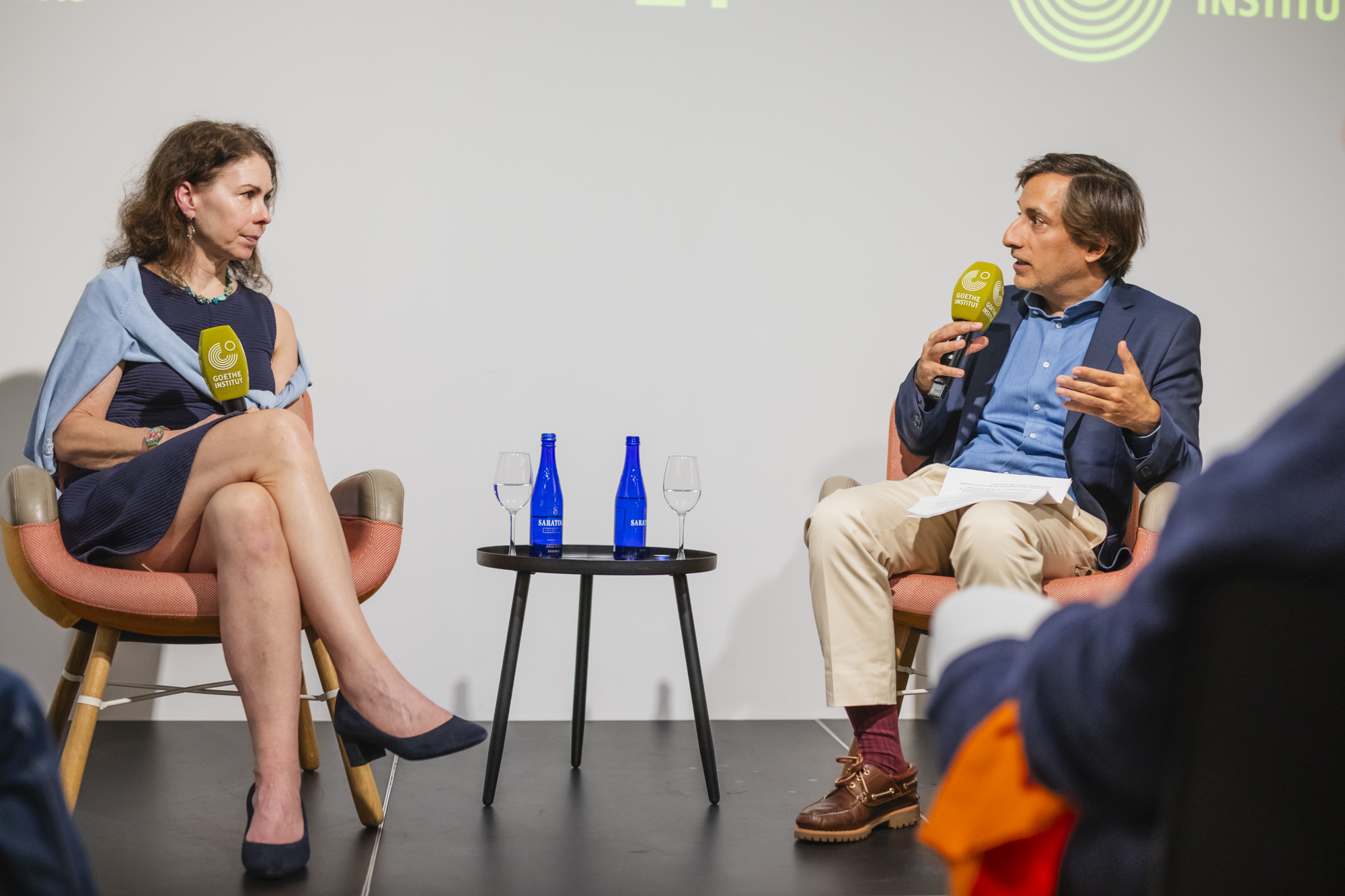
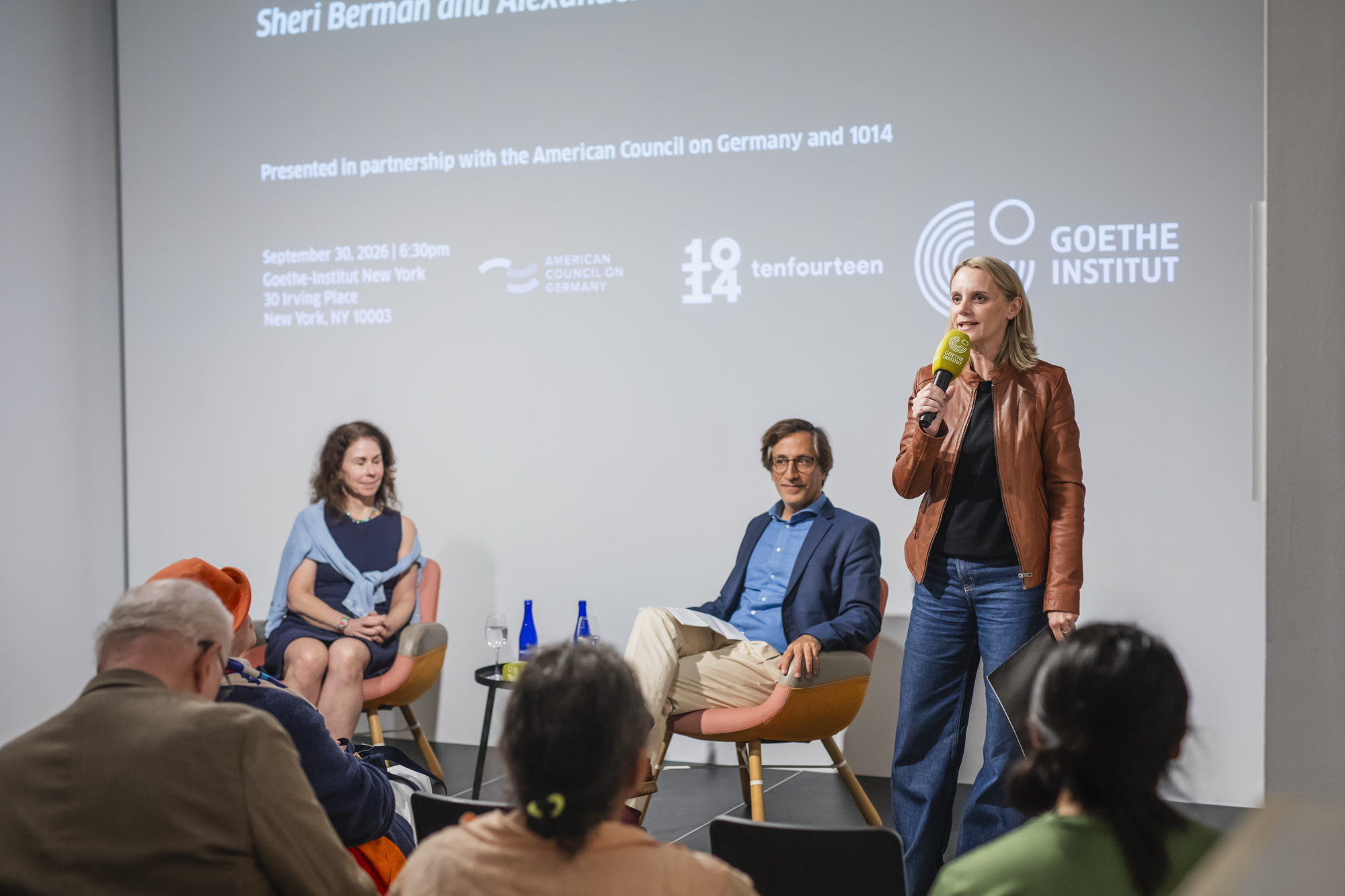
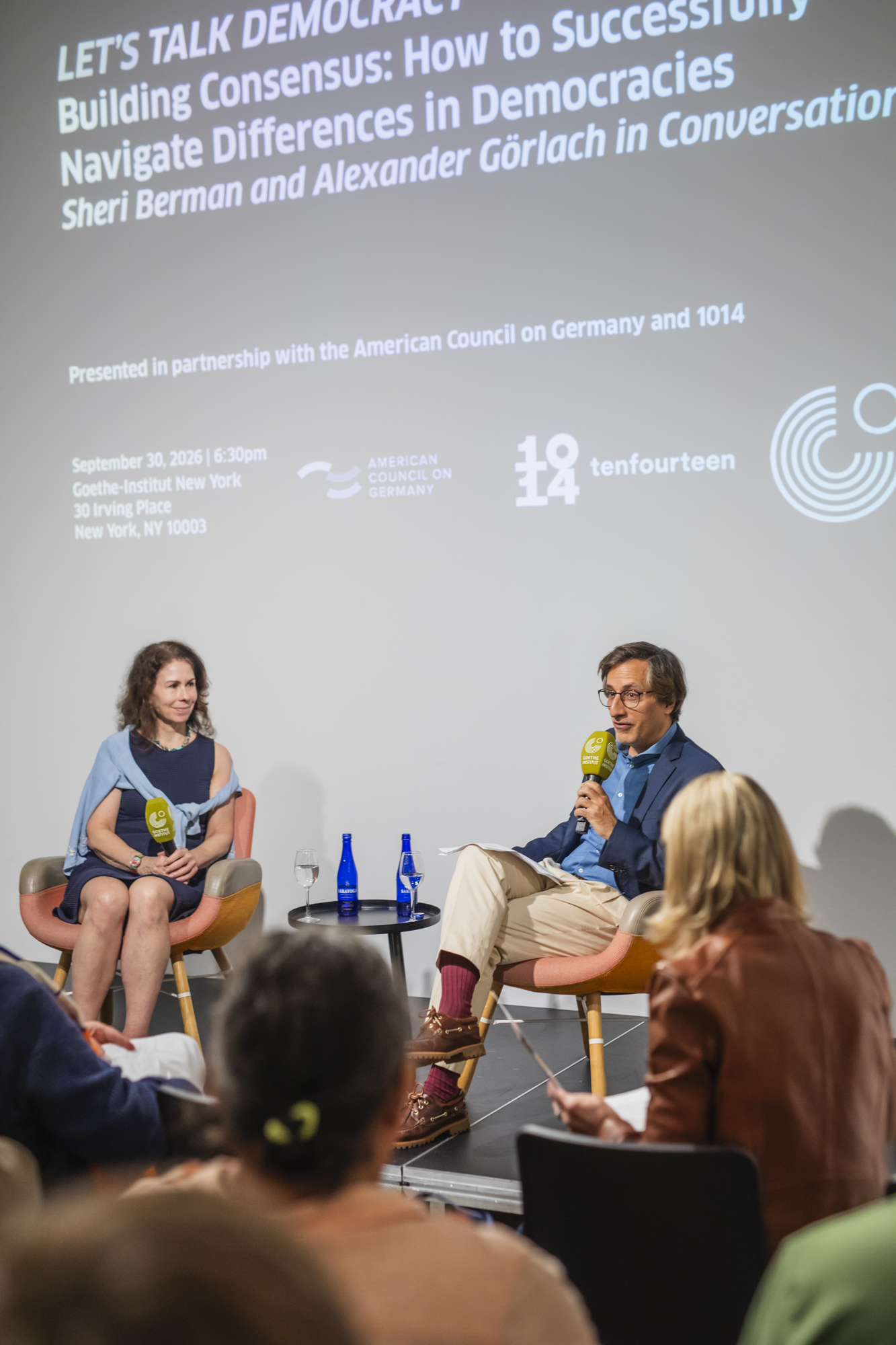
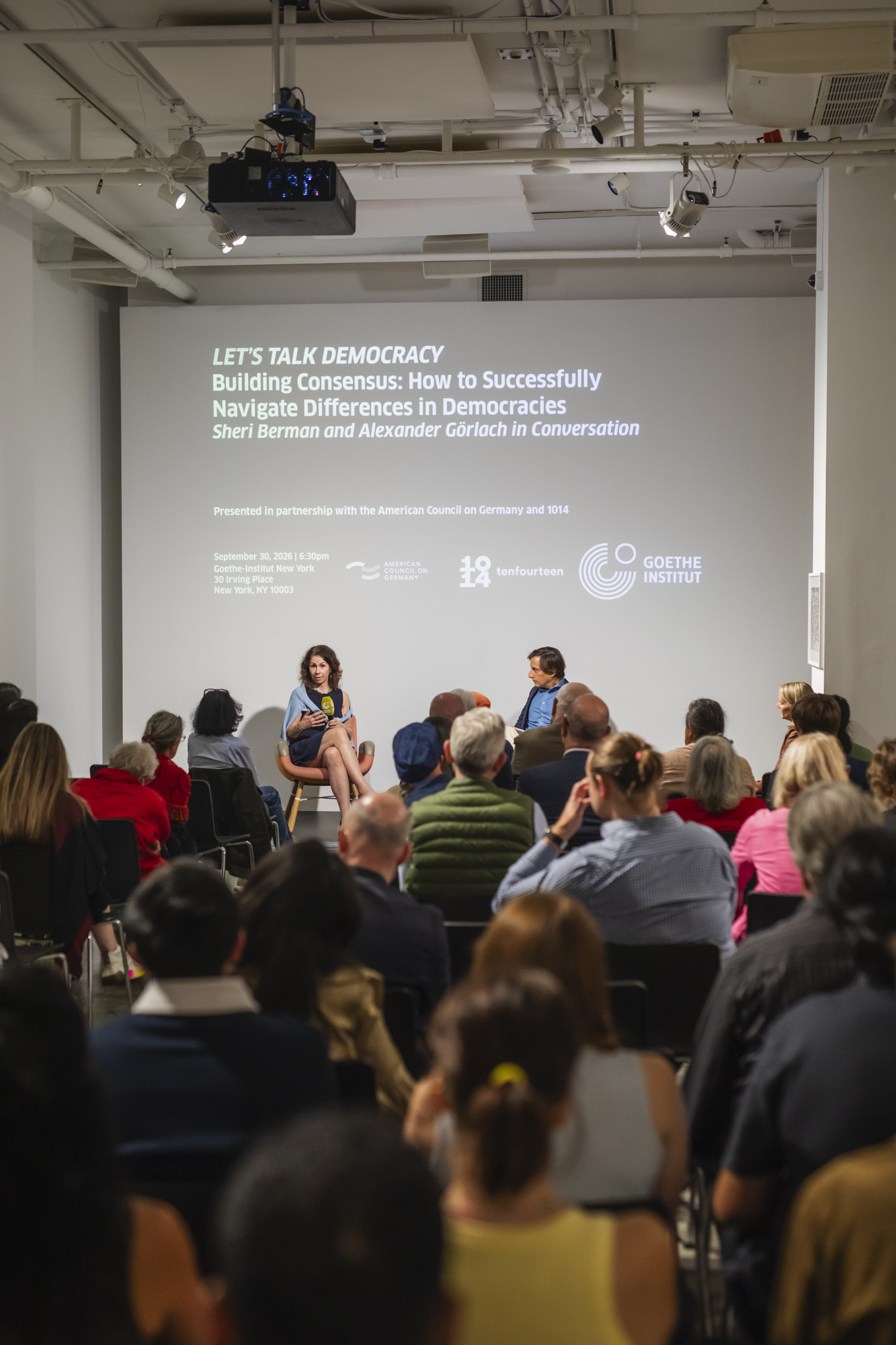
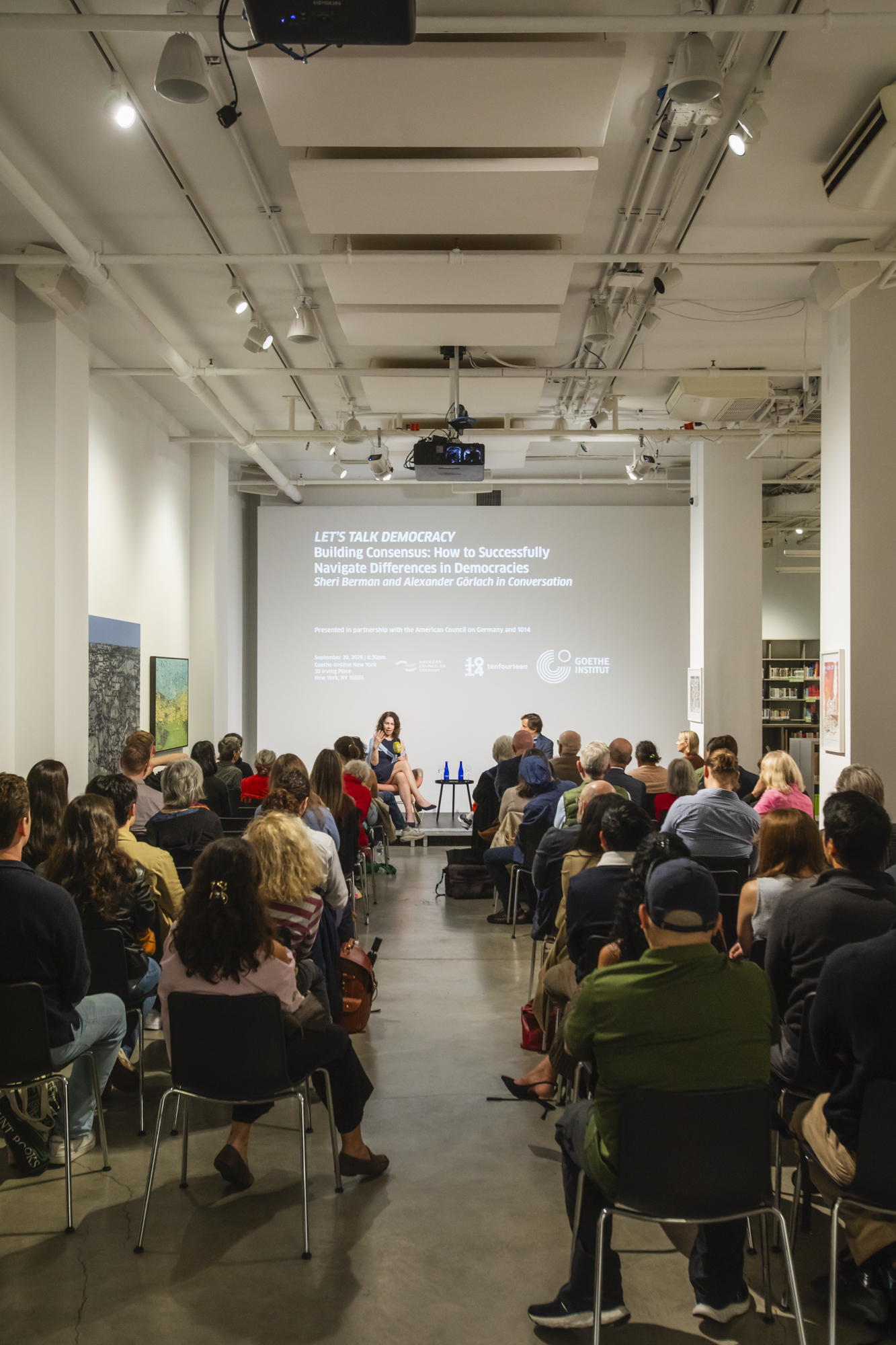
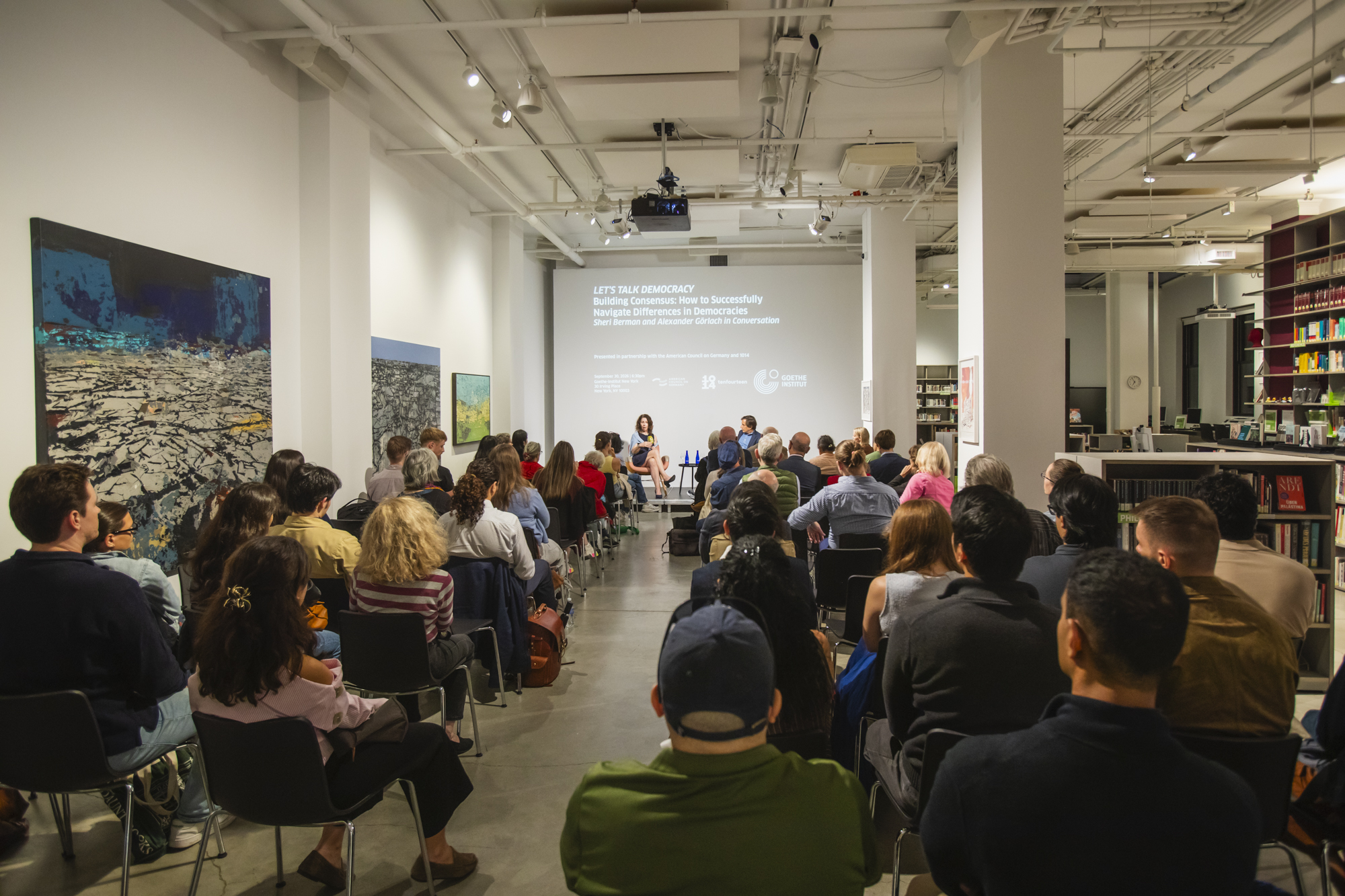
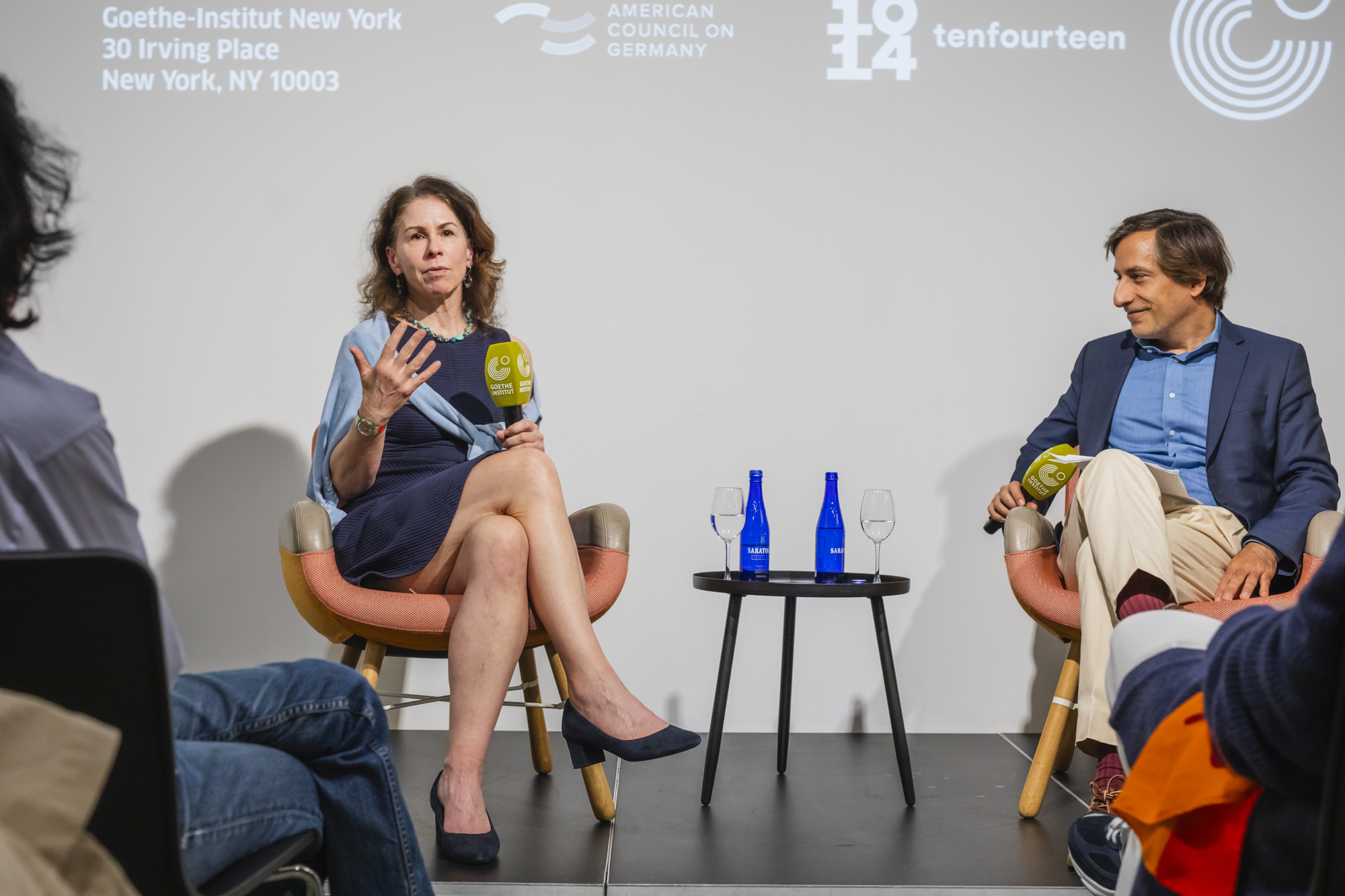
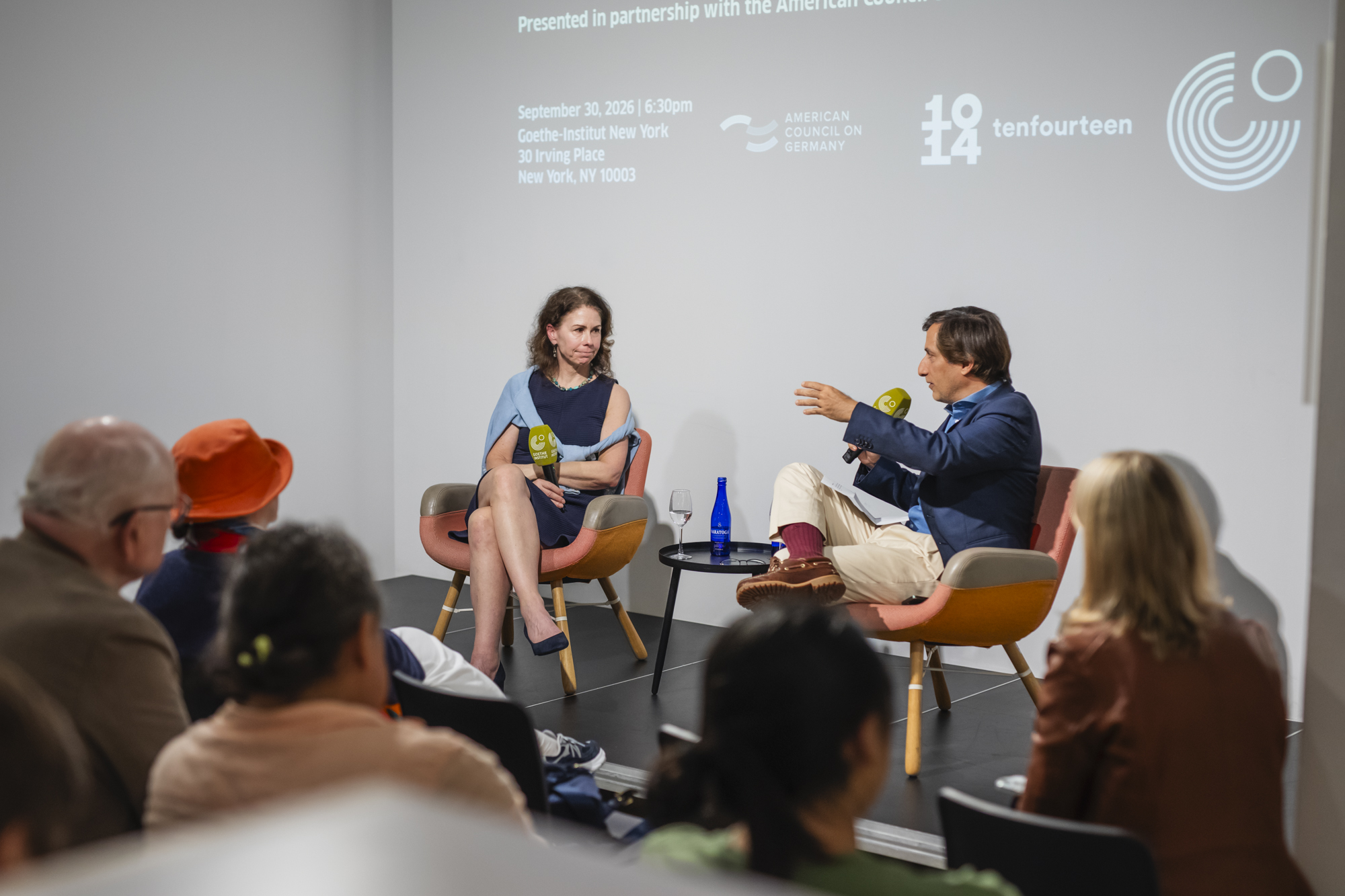
While dissent is inevitable in a democracy, the ways in which societies navigate disagreement can vary. As many democratic societies today grapple with polarization and competing perspectives, what can we learn from how consensus-building has worked in the past? What role do dialogue, compromise, and shared interests play? And what approaches have helped societies bridge divides and find a way forward?
Join us with Alexander Görlach and Sheri Berman to explore these questions.
Biographies
.jpg)
Sheri Berman is Professor of Political Science at Barnard College, Columbia University. She is the author of numerous books and scholarly articles on European politics and political development, the left, fascism, populism, and the fate of democracy. Her forthcoming book is entitled: The Political Consequences of Economic Ideas: Neoliberalism, the Left, and the Fate of Democracy (Oxford 2027). She has also published in a wide variety of non-scholarly publications, including the New York Times, The Wall Street Journal, Washington Post, Foreign Affairs, VOX, The Guardian and Dissent. She is on the boards of The Journal of Democracy, Political Science Quarterly and Persuasion. She holds an Honorary Doctorate from Uppsala University in Sweden.

Alexander Görlach is an adjunct professor to NYU Gallatin School where he teaches democratic theory. Prior to that he had various positions as visiting scholar and as fellow at Harvard University in the United States, and Cambridge University and Oxford University in the United Kingdom. He was a senior fellow to the Carnegie Council for Ethics in International Affairs in New York and is a senior advisor to the Berggruen Institute in Los Angeles.
Alexander holds a ThD in comparative religion and a PhD in linguistics. His academic interests include democratic theory, politics and religion, and theories of secularism, pluralism and cosmopolitanism. In the academic year 2017-18 he was a visiting scholar at National Taiwan University and City University Hong Kong. Since then he focuses on the rise of China and what it means for the democracies in East Asia.
Alexander Görlach is an honorary professor of ethics and theology at Leuphana University in Lüneburg, Germany. Alexander Görlach is the founder of the debate-magazine The European, that he also ran as its editor in chief from 2009 to 2015.
Today he serves as an op-ed contributor to the New York Times, Neue Zürcher Zeitung, and the South China Morning Post. He is a columnist to the business magazine Wirtschaftswoche, Deutsche Welle and Focus Online. He is a frequent commentator on German News Channel Welt TV.
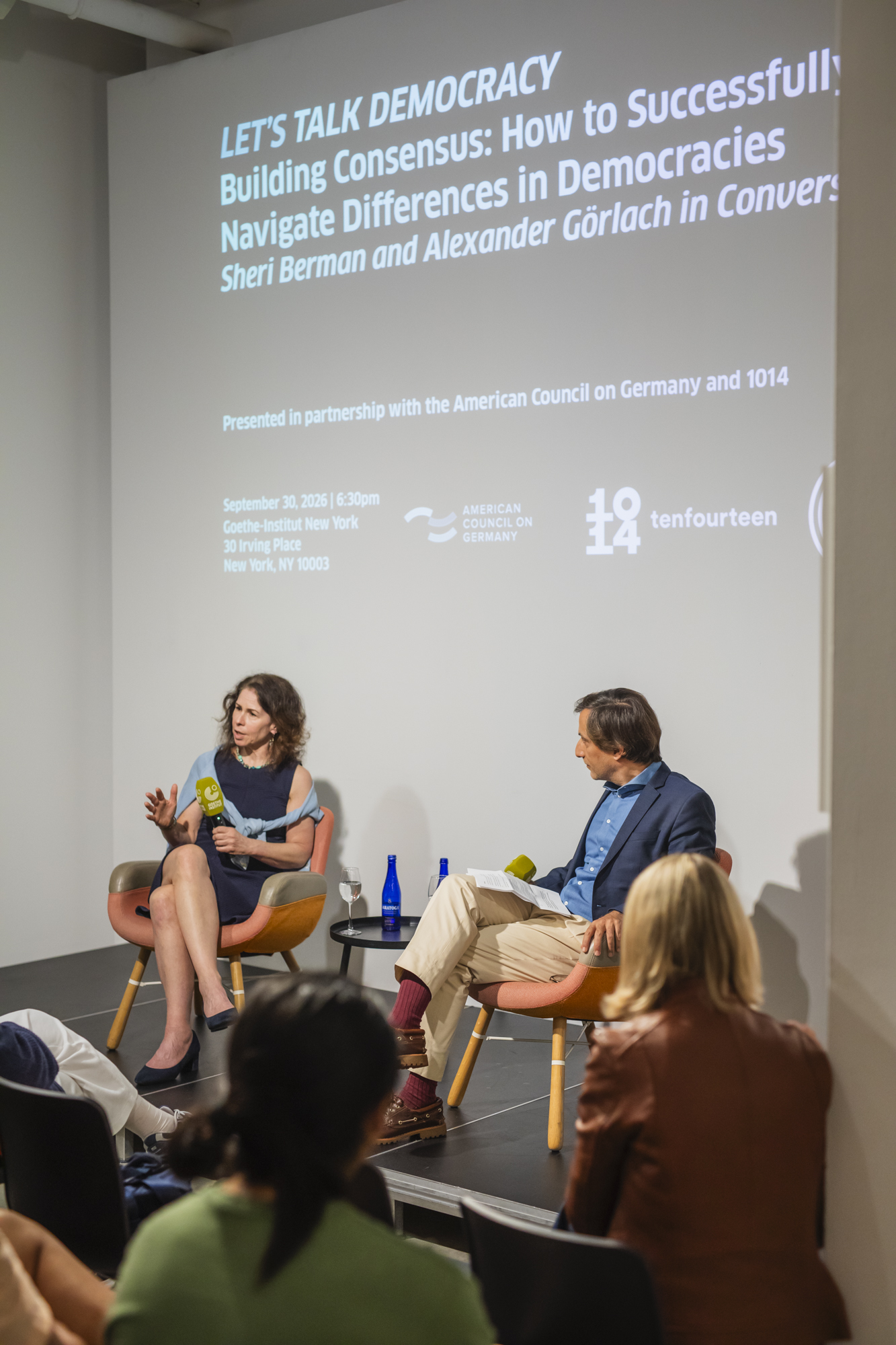



While dissent is inevitable in a democracy, the ways in which societies navigate disagreement can vary. As many democratic societies today grapple with polarization and competing perspectives, what can we learn from how consensus-building has worked in the past? What role do dialogue, compromise, and shared interests play? And what approaches have helped societies bridge divides and find a way forward?
Join us with Alexander Görlach and Sheri Berman to explore these questions.
Biographies
Sheri Berman is Professor of Political Science at Barnard College, Columbia University. She is the author of numerous books and scholarly articles on European politics and political development, the left, fascism, populism, and the fate of democracy. Her forthcoming book is entitled: The Political Consequences of Economic Ideas: Neoliberalism, the Left, and the Fate of Democracy (Oxford 2027). She has also published in a wide variety of non-scholarly publications, including the New York Times, The Wall Street Journal, Washington Post, Foreign Affairs, VOX, The Guardian and Dissent. She is on the boards of The Journal of Democracy, Political Science Quarterly and Persuasion. She holds an Honorary Doctorate from Uppsala University in Sweden.
Alexander Görlach is an adjunct professor to NYU Gallatin School where he teaches democratic theory. Prior to that he had various positions as visiting scholar and as fellow at Harvard University in the United States, and Cambridge University and Oxford University in the United Kingdom. He was a senior fellow to the Carnegie Council for Ethics in International Affairs in New York and is a senior advisor to the Berggruen Institute in Los Angeles.
Alexander holds a ThD in comparative religion and a PhD in linguistics. His academic interests include democratic theory, politics and religion, and theories of secularism, pluralism and cosmopolitanism. In the academic year 2017-18 he was a visiting scholar at National Taiwan University and City University Hong Kong. Since then he focuses on the rise of China and what it means for the democracies in East Asia.
Alexander Görlach is an honorary professor of ethics and theology at Leuphana University in Lüneburg, Germany. Alexander Görlach is the founder of the debate-magazine The European, that he also ran as its editor in chief from 2009 to 2015.
Today he serves as an op-ed contributor to the New York Times, Neue Zürcher Zeitung, and the South China Morning Post. He is a columnist to the business magazine Wirtschaftswoche, Deutsche Welle and Focus Online. He is a frequent commentator on German News Channel Welt TV.

While dissent is inevitable in a democracy, the ways in which societies navigate disagreement can vary. As many democratic societies today grapple with polarization and competing perspectives, what can we learn from how consensus-building has worked in the past? What role do dialogue, compromise, and shared interests play? And what approaches have helped societies bridge divides and find a way forward?
Join us with Alexander Görlach and Sheri Berman to explore these questions.
Biographies
Sheri Berman is Professor of Political Science at Barnard College, Columbia University. She is the author of numerous books and scholarly articles on European politics and political development, the left, fascism, populism, and the fate of democracy. Her forthcoming book is entitled: The Political Consequences of Economic Ideas: Neoliberalism, the Left, and the Fate of Democracy (Oxford 2027). She has also published in a wide variety of non-scholarly publications, including the New York Times, The Wall Street Journal, Washington Post, Foreign Affairs, VOX, The Guardian and Dissent. She is on the boards of The Journal of Democracy, Political Science Quarterly and Persuasion. She holds an Honorary Doctorate from Uppsala University in Sweden.
Alexander Görlach is an adjunct professor to NYU Gallatin School where he teaches democratic theory. Prior to that he had various positions as visiting scholar and as fellow at Harvard University in the United States, and Cambridge University and Oxford University in the United Kingdom. He was a senior fellow to the Carnegie Council for Ethics in International Affairs in New York and is a senior advisor to the Berggruen Institute in Los Angeles.
Alexander holds a ThD in comparative religion and a PhD in linguistics. His academic interests include democratic theory, politics and religion, and theories of secularism, pluralism and cosmopolitanism. In the academic year 2017-18 he was a visiting scholar at National Taiwan University and City University Hong Kong. Since then he focuses on the rise of China and what it means for the democracies in East Asia.
Alexander Görlach is an honorary professor of ethics and theology at Leuphana University in Lüneburg, Germany. Alexander Görlach is the founder of the debate-magazine The European, that he also ran as its editor in chief from 2009 to 2015.
Today he serves as an op-ed contributor to the New York Times, Neue Zürcher Zeitung, and the South China Morning Post. He is a columnist to the business magazine Wirtschaftswoche, Deutsche Welle and Focus Online. He is a frequent commentator on German News Channel Welt TV.
Session Recording
Gallery