.jpg)

.png)
Beyond Rules and Rivalries: The Trans-Atlantic Partnership and the Future of the International Order
.svg)
.svg)

Friedrich Merz’s recent visit to Washington comes at a moment of mounting geopolitical uncertainty. Earlier this week, he met with Donald Trump at the White House to discuss bilateral relations, trade tensions, the war in Ukraine, and the escalating crisis in the Middle East. The meeting underscores both the growing importance and the increasing complexity of coordination between the United States and Europe as they confront overlapping security, economic, and geopolitical challenges.
Overall, global developments suggest a broader shift in how countries approach foreign policy. In many cases, governments are adopting a more transactional and interest-driven stance, where immediate national priorities increasingly take precedence over multilateral institutions, alliances, and long-standing diplomatic norms. This evolving approach is reshaping trans-Atlantic cooperation and raising broader questions about the durability of the international system that has guided global affairs for the past eight decades.
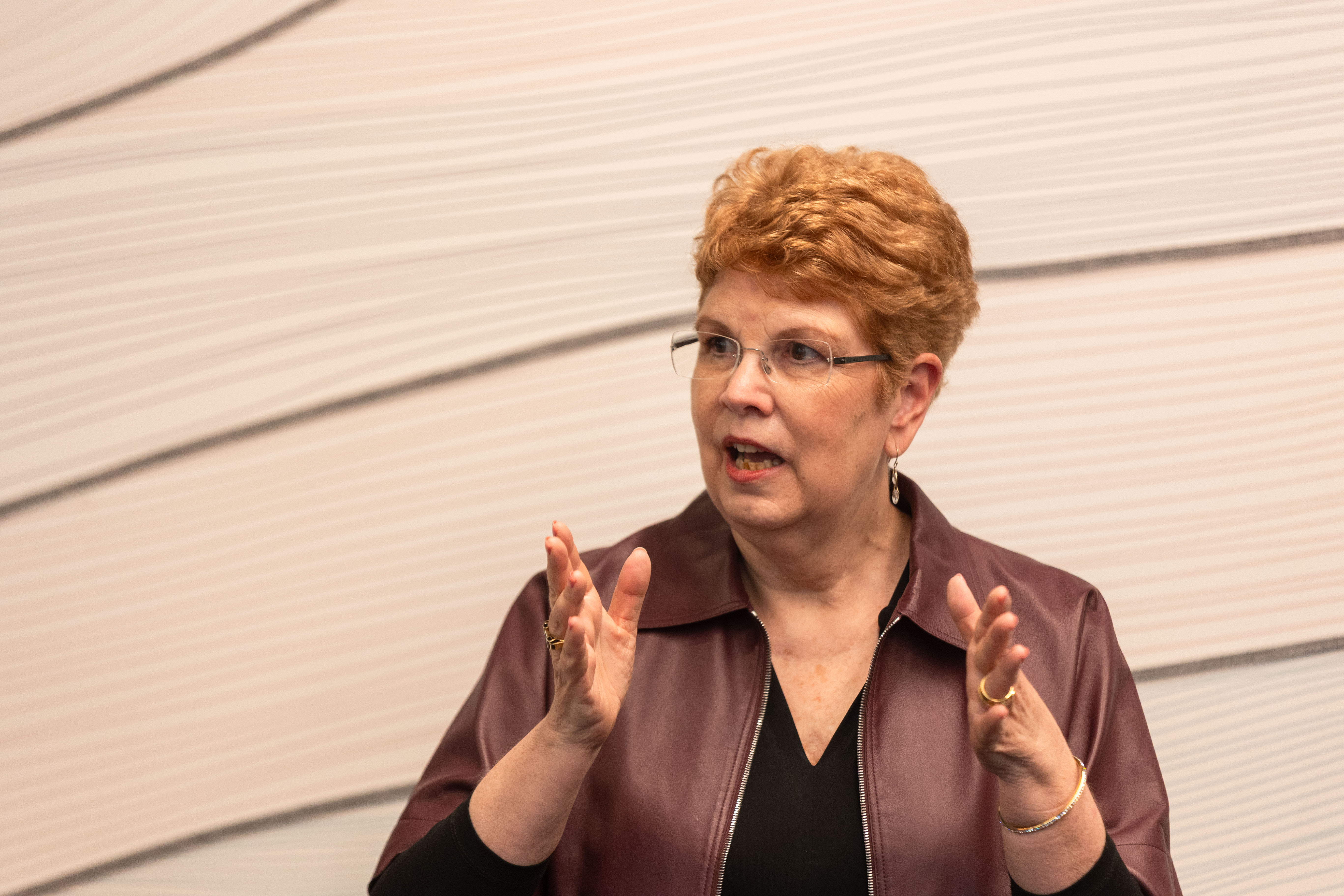
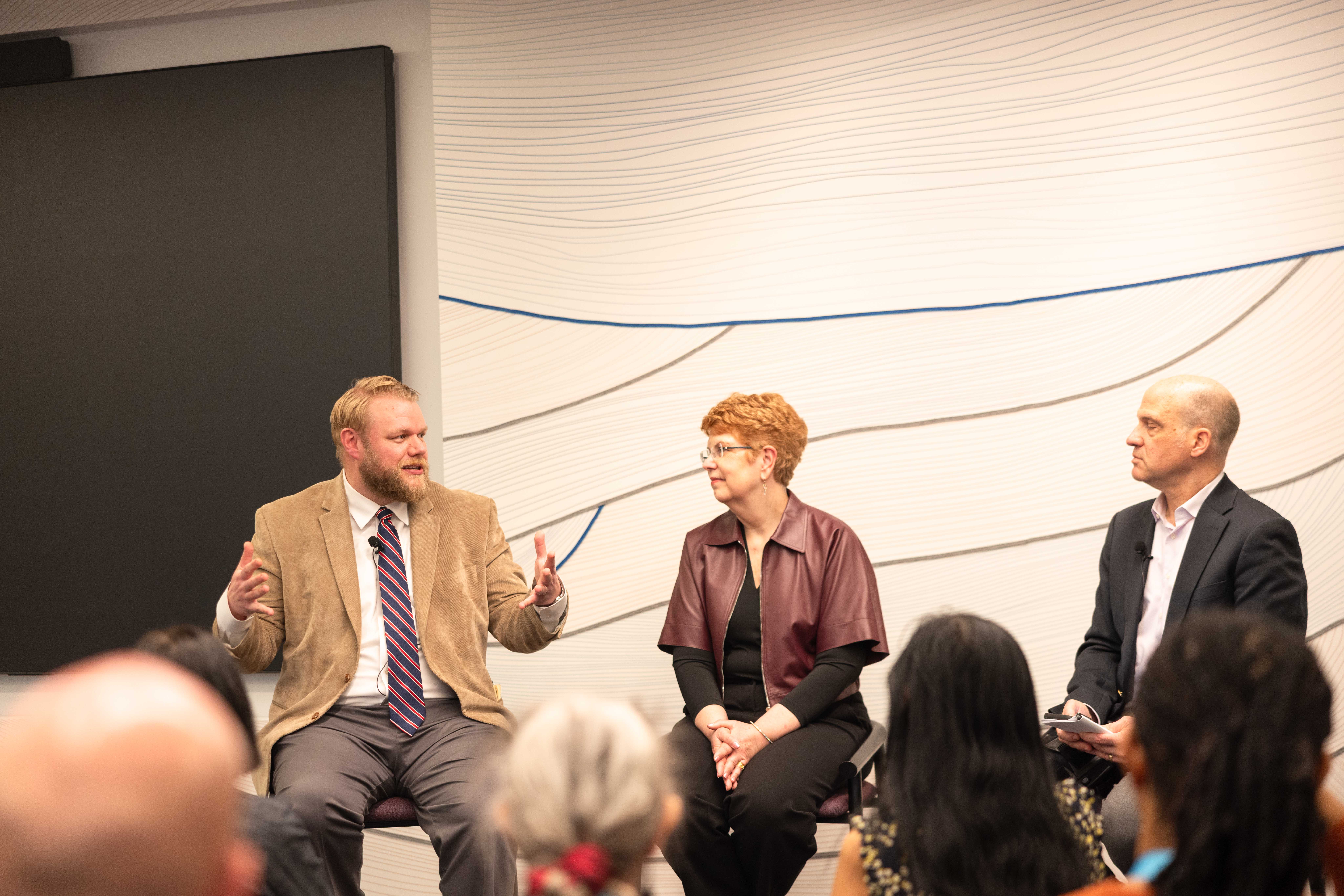
Join 1014, the American Council on Germany, and Young Professionals in Foreign Policy for a discussion about the state of the transatlantic partnership at this critical juncture and the future of international order. We will be joined by foreign policy experts Robin Quinville, former Director of the Wilson Center's Global Europe Program, and Peter Sparding, Senior Vice President and Director of Policy at the Center for the Study of the Presidency and Congress (CSPC), for a timely discussion about how the United States and Europe can navigate an increasingly complex international landscape.
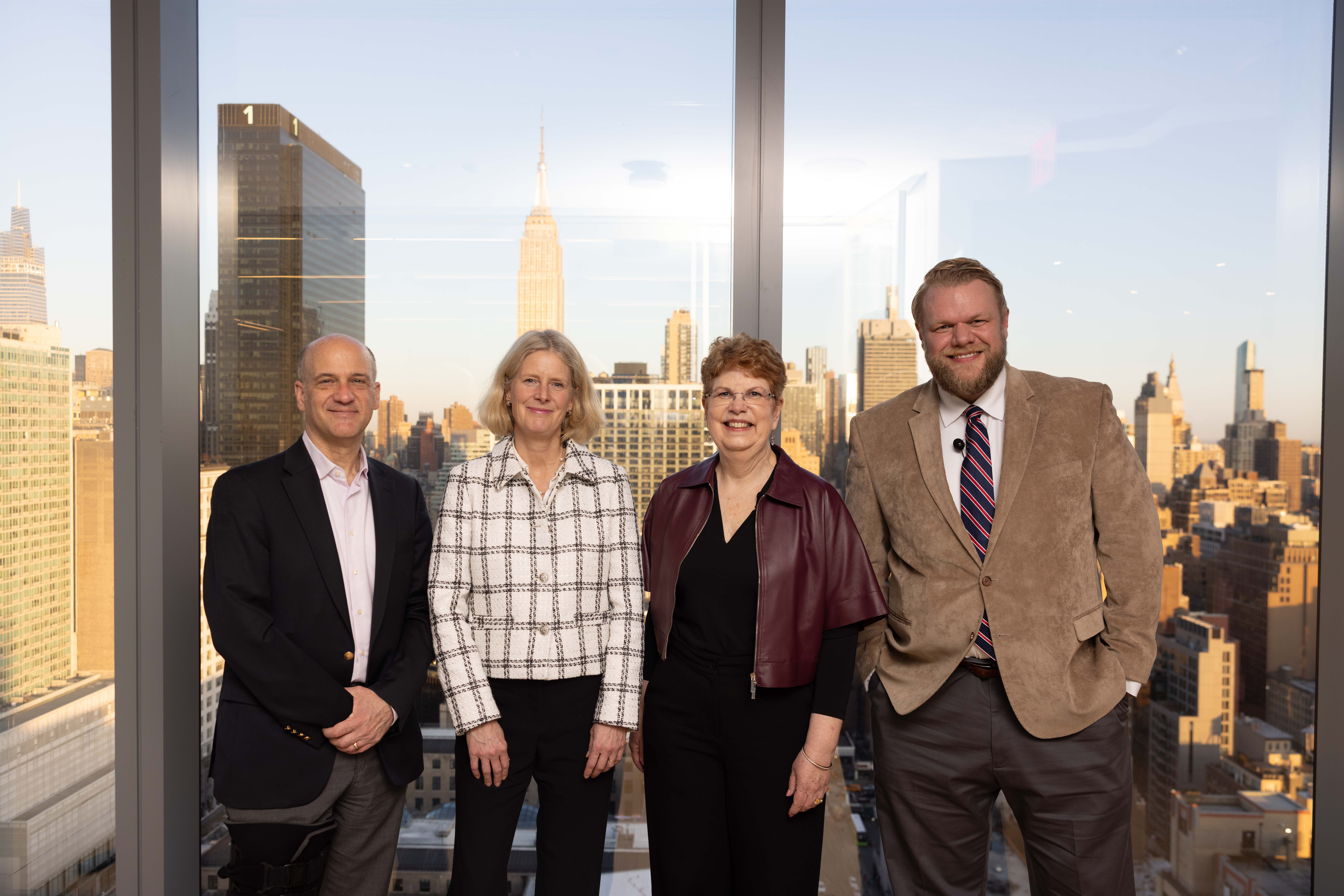

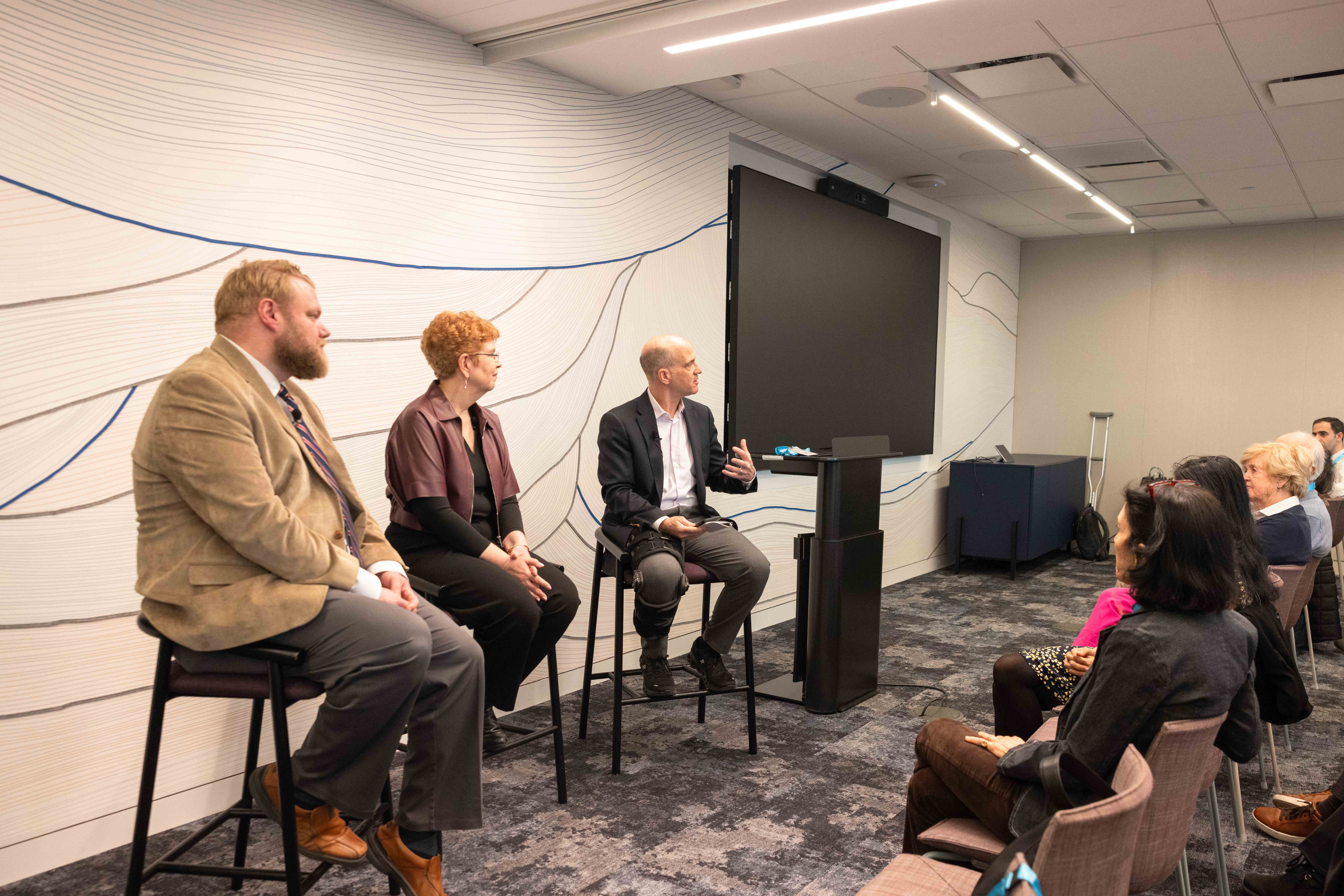
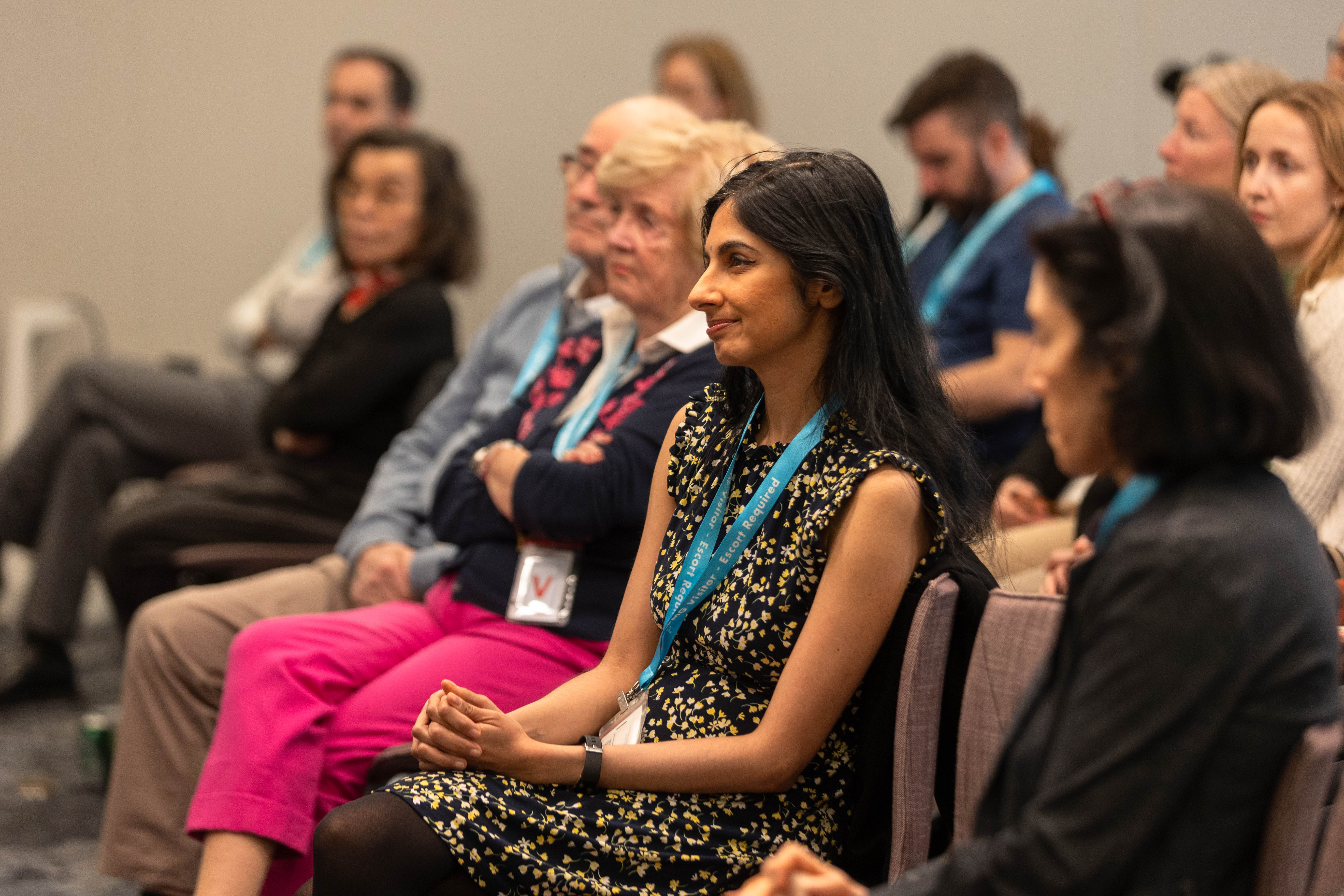
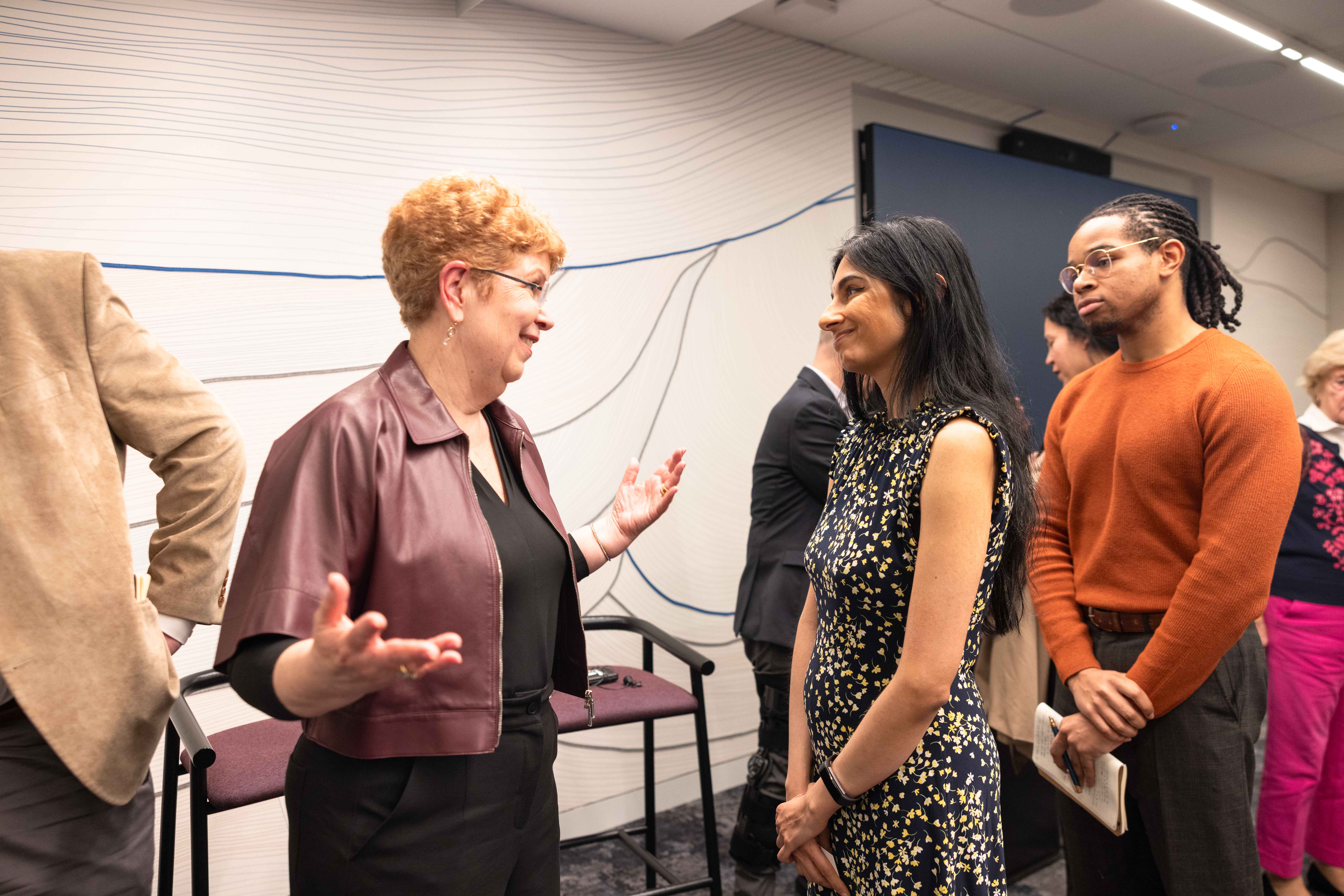
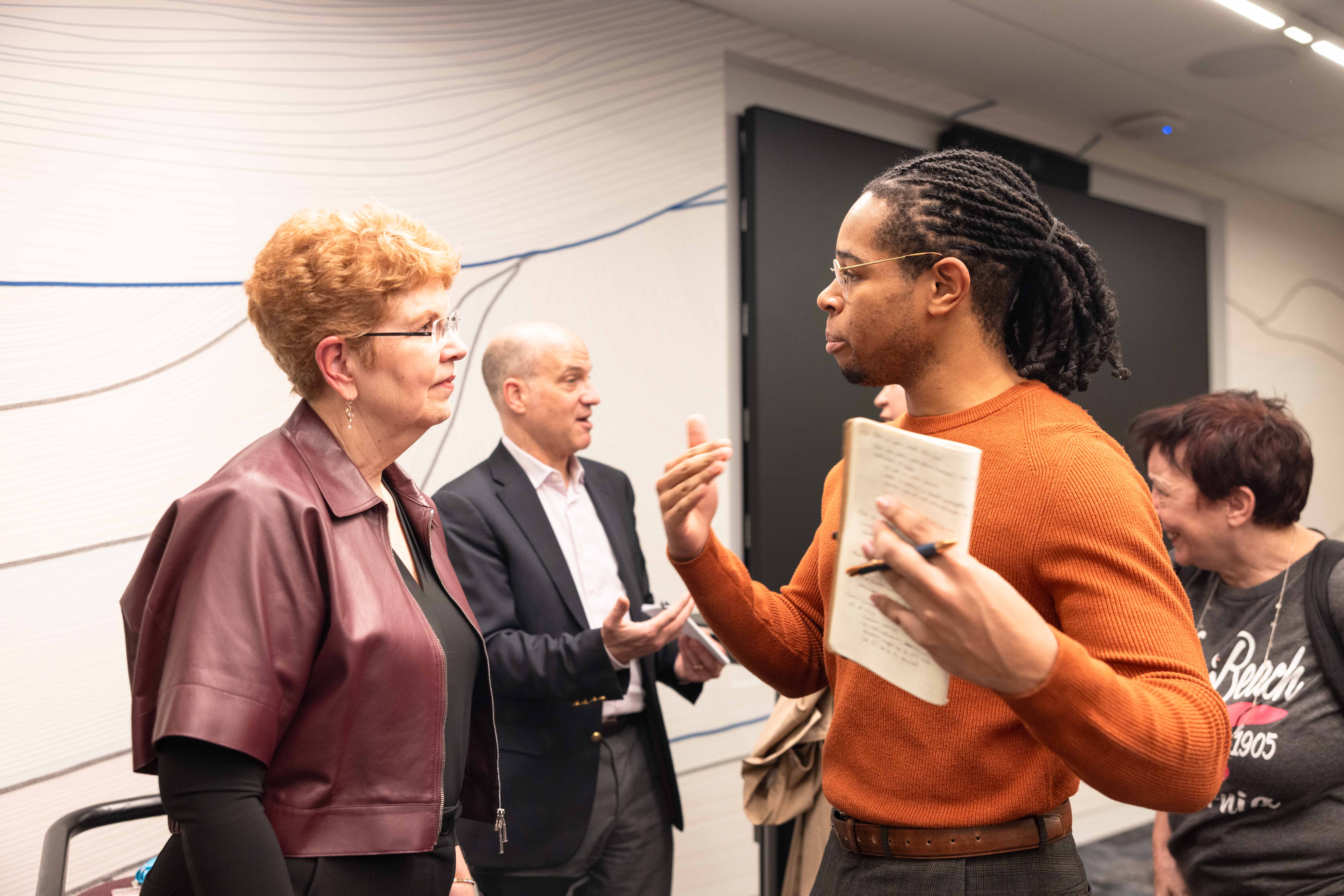
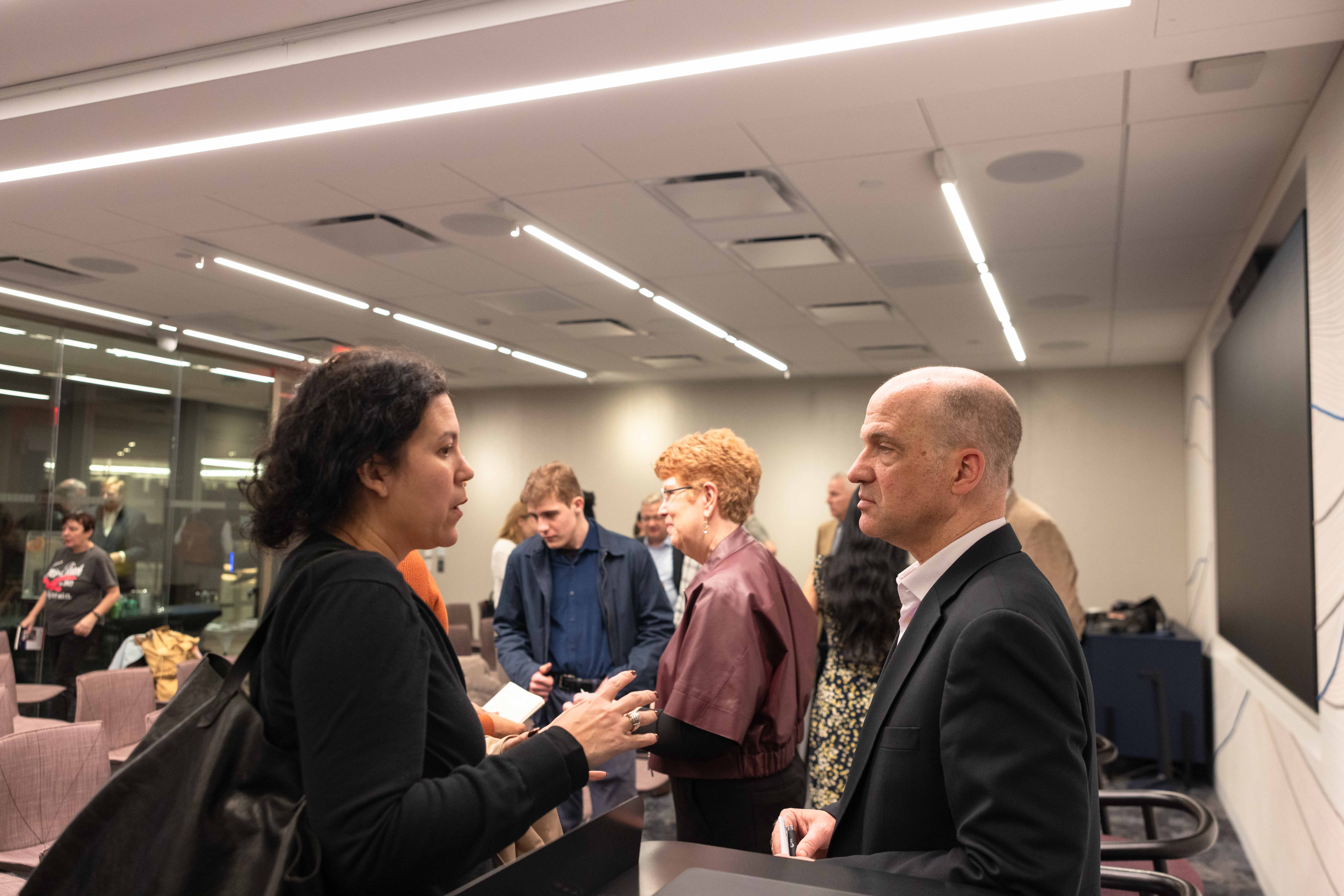
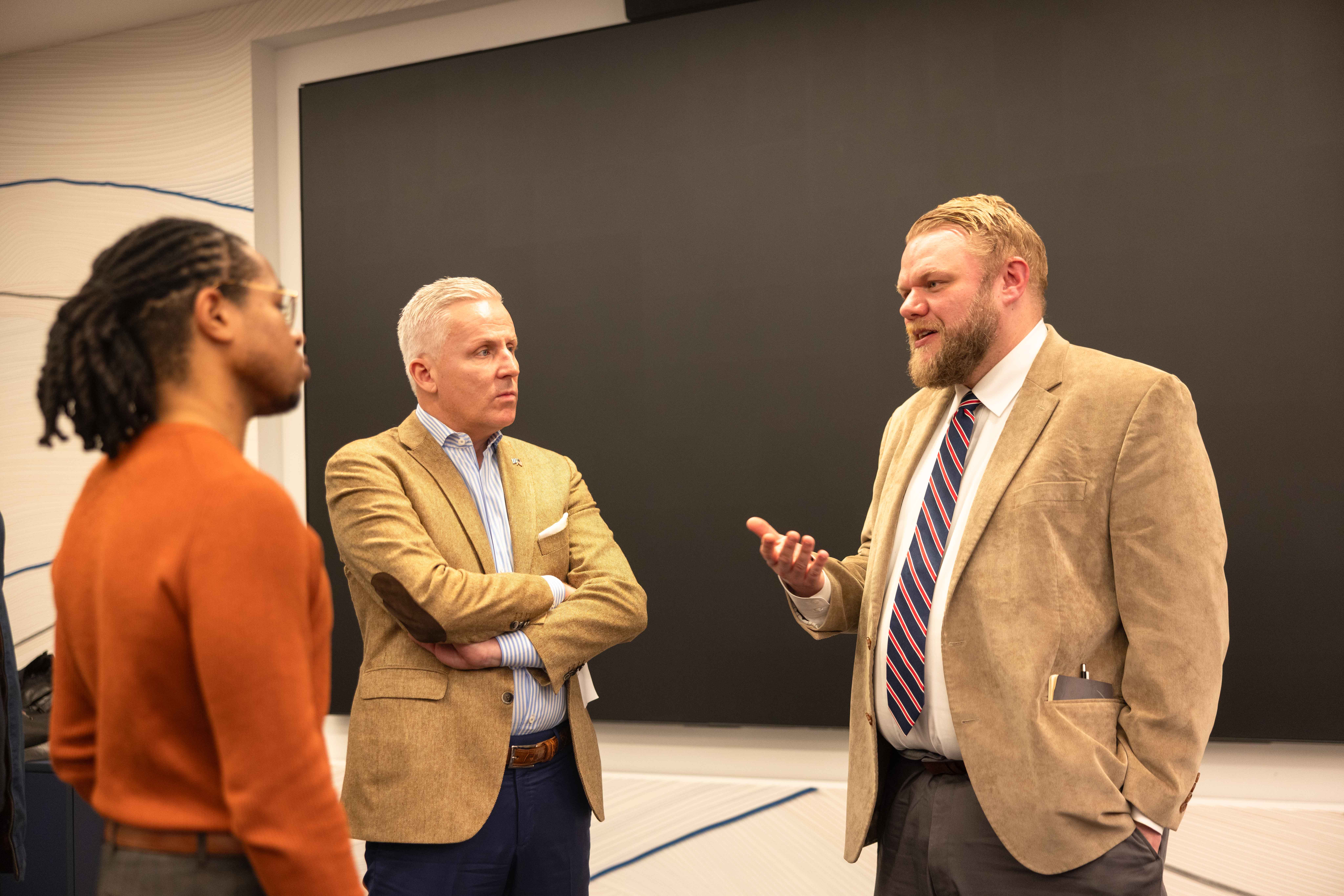
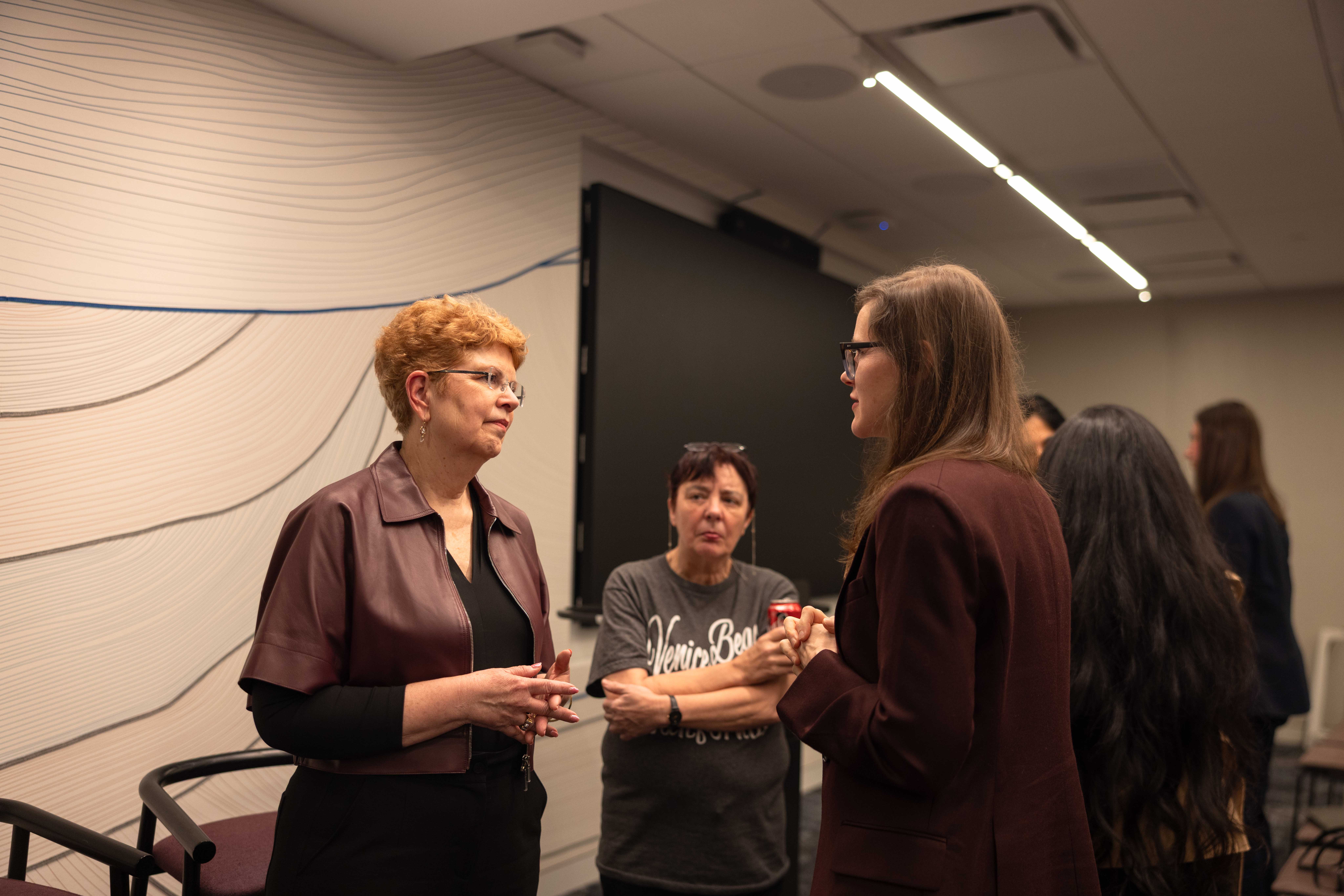
Event Photos: Roshni Khatri
Biographies
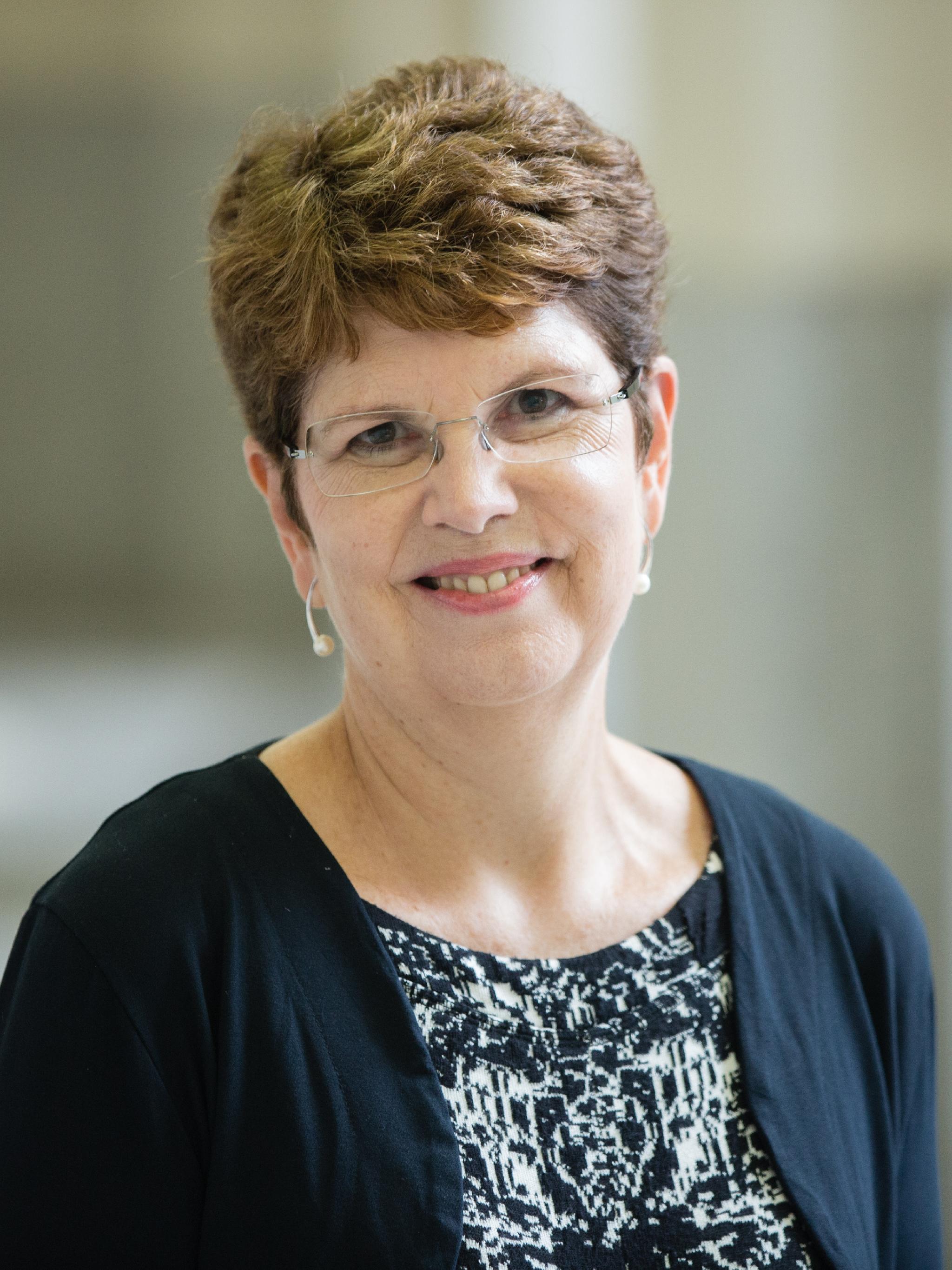
Robin Quinville is the former Director of the Wilson Center's Global Europe Program. She spent more than 30 years as a U.S. diplomat, having served primarily in Europe – including postings to two multilateral organizations (the Organization for Security and Cooperation in Europe and NATO) and bilateral postings to Cyprus, Bosnia, Greece, the United Kingdom, and Germany. She also spent a year in Baghdad, Iraq. In Washington, she directed the Office of Western European Affairs at the Department of State and served as a Wilson Center State Department Fellow for a year. Her last foreign posting was as the Charge d'Affaires at the U.S. Embassy in Berlin, Germany.
Ms. Quinville holds a master’s degree in international relations from the University of Chicago and a bachelor’s degree in political science from Smith College. She is widely recognized for her expertise in European affairs, alliance politics, and transatlantic cooperation.
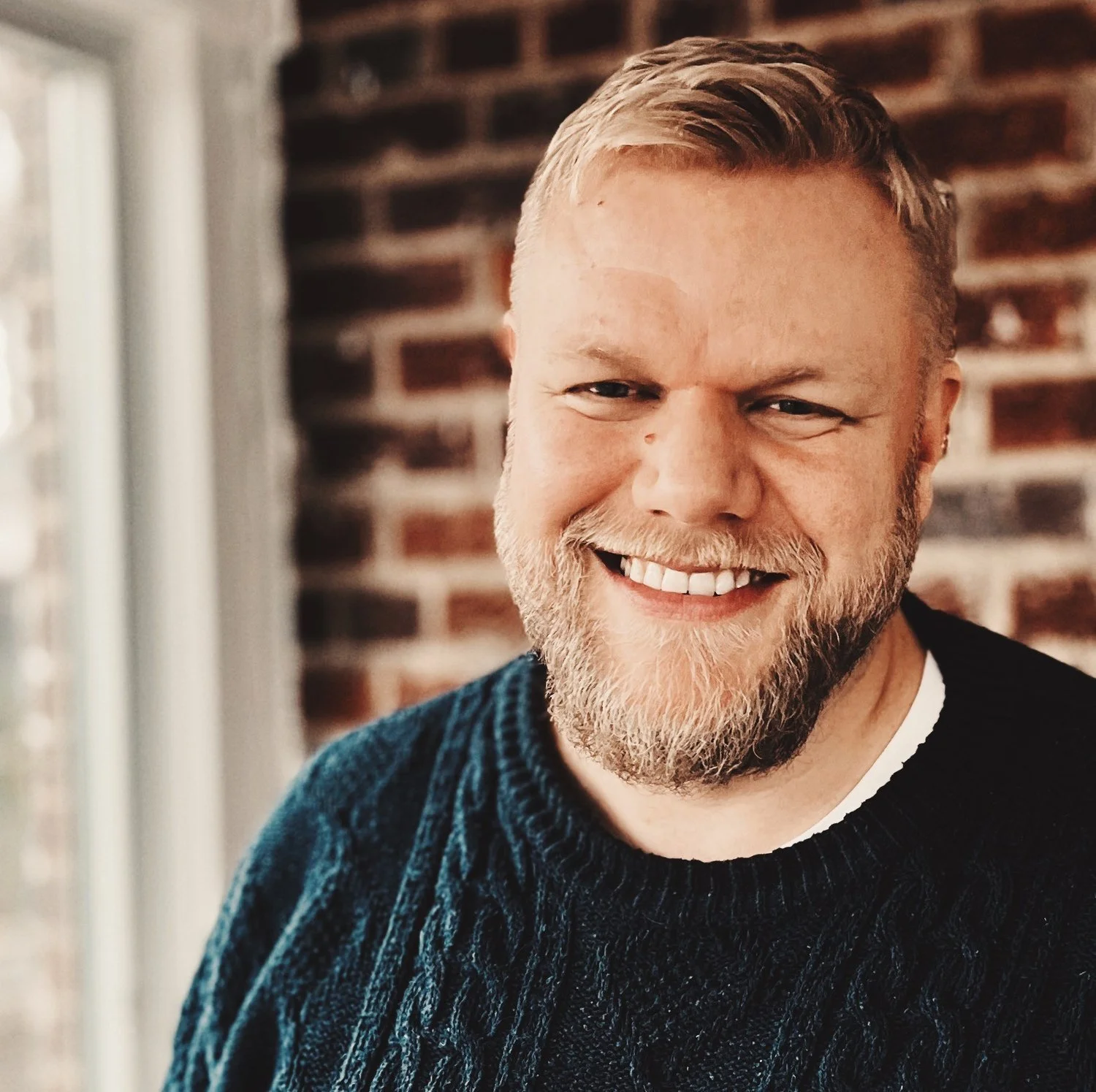
Peter Sparding is the Senior Vice President and Director of Policy at the Center for the Study of the Presidency and Congress (CSPC). In this role he manages CSPC’s work on economic security, geotechnological competition, and trade. Previously, Mr. Sparding worked at the German Marshall Fund of the United States (GMF) in Washington, DC and Berlin.
He has written about and analyzed U.S.–German relations and transatlantic economic and foreign policy ties for two decades. His first book “No Better Friend? The United States and Germany since 1945” was published in Europe in the fall of 2024 by Hurst (London) and released in March 2025 by Oxford University Press in the United States.
Mr. Sparding holds a master’s degree from Freie University in Berlin and has also studied at the University of Copenhagen in Denmark. He is a 2015 Atlantic Council U.S.–German Next Generation fellow. He is fluent in English and German and also speaks French and Danish.





Friedrich Merz’s recent visit to Washington comes at a moment of mounting geopolitical uncertainty. Earlier this week, he met with Donald Trump at the White House to discuss bilateral relations, trade tensions, the war in Ukraine, and the escalating crisis in the Middle East. The meeting underscores both the growing importance and the increasing complexity of coordination between the United States and Europe as they confront overlapping security, economic, and geopolitical challenges.
Overall, global developments suggest a broader shift in how countries approach foreign policy. In many cases, governments are adopting a more transactional and interest-driven stance, where immediate national priorities increasingly take precedence over multilateral institutions, alliances, and long-standing diplomatic norms. This evolving approach is reshaping trans-Atlantic cooperation and raising broader questions about the durability of the international system that has guided global affairs for the past eight decades.
Join 1014, the American Council on Germany, and Young Professionals in Foreign Policy for a discussion about the state of the transatlantic partnership at this critical juncture and the future of international order. We will be joined by foreign policy experts Robin Quinville, former Director of the Wilson Center's Global Europe Program, and Peter Sparding, Senior Vice President and Director of Policy at the Center for the Study of the Presidency and Congress (CSPC), for a timely discussion about how the United States and Europe can navigate an increasingly complex international landscape.
Event Photos: Roshni Khatri
Biographies
Robin Quinville is the former Director of the Wilson Center's Global Europe Program. She spent more than 30 years as a U.S. diplomat, having served primarily in Europe – including postings to two multilateral organizations (the Organization for Security and Cooperation in Europe and NATO) and bilateral postings to Cyprus, Bosnia, Greece, the United Kingdom, and Germany. She also spent a year in Baghdad, Iraq. In Washington, she directed the Office of Western European Affairs at the Department of State and served as a Wilson Center State Department Fellow for a year. Her last foreign posting was as the Charge d'Affaires at the U.S. Embassy in Berlin, Germany.
Ms. Quinville holds a master’s degree in international relations from the University of Chicago and a bachelor’s degree in political science from Smith College. She is widely recognized for her expertise in European affairs, alliance politics, and transatlantic cooperation.
Peter Sparding is the Senior Vice President and Director of Policy at the Center for the Study of the Presidency and Congress (CSPC). In this role he manages CSPC’s work on economic security, geotechnological competition, and trade. Previously, Mr. Sparding worked at the German Marshall Fund of the United States (GMF) in Washington, DC and Berlin.
He has written about and analyzed U.S.–German relations and transatlantic economic and foreign policy ties for two decades. His first book “No Better Friend? The United States and Germany since 1945” was published in Europe in the fall of 2024 by Hurst (London) and released in March 2025 by Oxford University Press in the United States.
Mr. Sparding holds a master’s degree from Freie University in Berlin and has also studied at the University of Copenhagen in Denmark. He is a 2015 Atlantic Council U.S.–German Next Generation fellow. He is fluent in English and German and also speaks French and Danish.

Friedrich Merz’s recent visit to Washington comes at a moment of mounting geopolitical uncertainty. Earlier this week, he met with Donald Trump at the White House to discuss bilateral relations, trade tensions, the war in Ukraine, and the escalating crisis in the Middle East. The meeting underscores both the growing importance and the increasing complexity of coordination between the United States and Europe as they confront overlapping security, economic, and geopolitical challenges.
Overall, global developments suggest a broader shift in how countries approach foreign policy. In many cases, governments are adopting a more transactional and interest-driven stance, where immediate national priorities increasingly take precedence over multilateral institutions, alliances, and long-standing diplomatic norms. This evolving approach is reshaping trans-Atlantic cooperation and raising broader questions about the durability of the international system that has guided global affairs for the past eight decades.
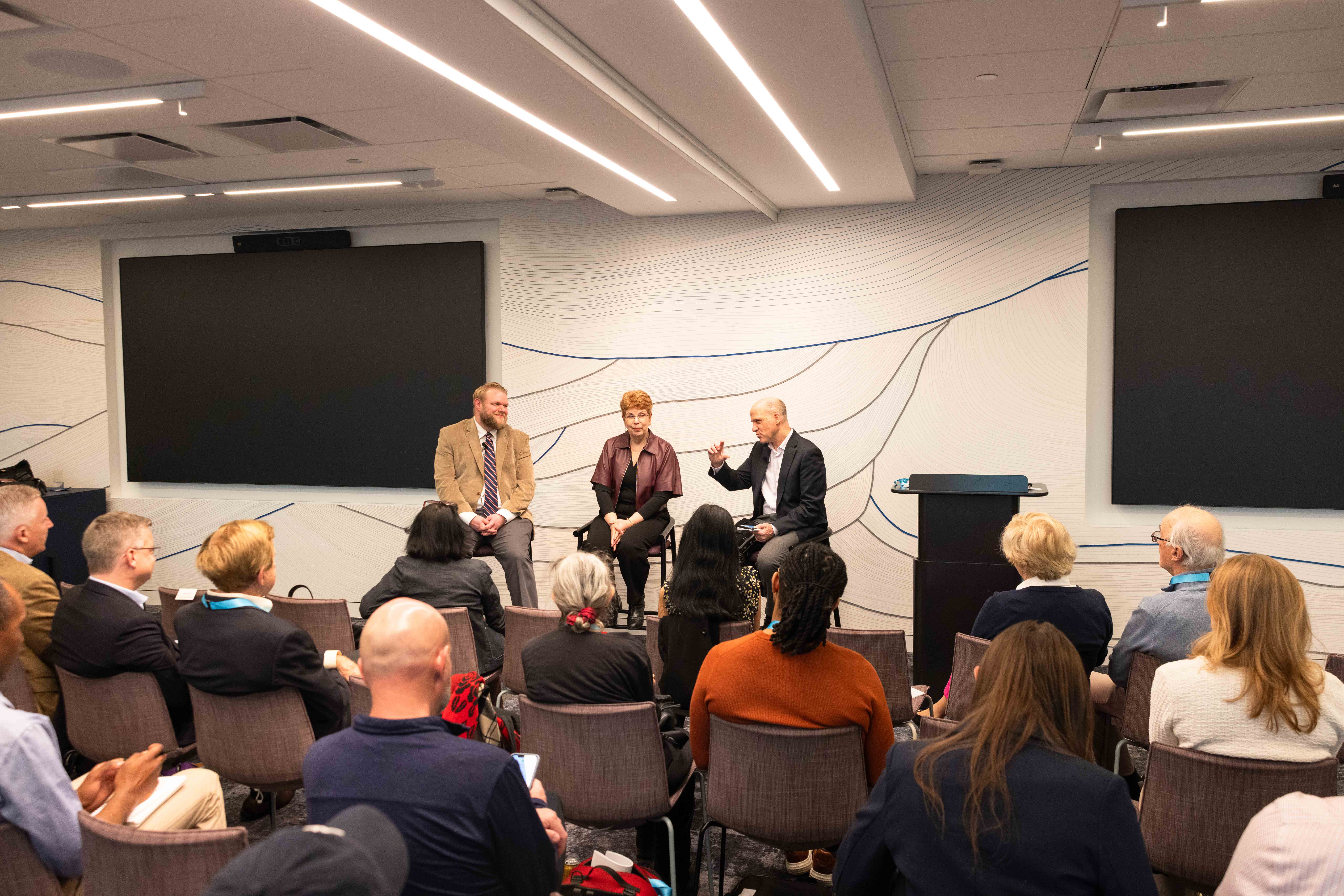
Join 1014, the American Council on Germany, and Young Professionals in Foreign Policy for a discussion about the state of the transatlantic partnership at this critical juncture and the future of international order. We will be joined by foreign policy experts Robin Quinville, former Director of the Wilson Center's Global Europe Program, and Peter Sparding, Senior Vice President and Director of Policy at the Center for the Study of the Presidency and Congress (CSPC), for a timely discussion about how the United States and Europe can navigate an increasingly complex international landscape.
Event Photos: Roshni Khatri
Biographies
Robin Quinville is the former Director of the Wilson Center's Global Europe Program. She spent more than 30 years as a U.S. diplomat, having served primarily in Europe – including postings to two multilateral organizations (the Organization for Security and Cooperation in Europe and NATO) and bilateral postings to Cyprus, Bosnia, Greece, the United Kingdom, and Germany. She also spent a year in Baghdad, Iraq. In Washington, she directed the Office of Western European Affairs at the Department of State and served as a Wilson Center State Department Fellow for a year. Her last foreign posting was as the Charge d'Affaires at the U.S. Embassy in Berlin, Germany.
Ms. Quinville holds a master’s degree in international relations from the University of Chicago and a bachelor’s degree in political science from Smith College. She is widely recognized for her expertise in European affairs, alliance politics, and transatlantic cooperation.
Peter Sparding is the Senior Vice President and Director of Policy at the Center for the Study of the Presidency and Congress (CSPC). In this role he manages CSPC’s work on economic security, geotechnological competition, and trade. Previously, Mr. Sparding worked at the German Marshall Fund of the United States (GMF) in Washington, DC and Berlin.
He has written about and analyzed U.S.–German relations and transatlantic economic and foreign policy ties for two decades. His first book “No Better Friend? The United States and Germany since 1945” was published in Europe in the fall of 2024 by Hurst (London) and released in March 2025 by Oxford University Press in the United States.
Mr. Sparding holds a master’s degree from Freie University in Berlin and has also studied at the University of Copenhagen in Denmark. He is a 2015 Atlantic Council U.S.–German Next Generation fellow. He is fluent in English and German and also speaks French and Danish.
Session Recording
Gallery