.jpg)

.png)
Re-Thinking Theater and Politics in a Time of Multiple Crises
.svg)
.svg)
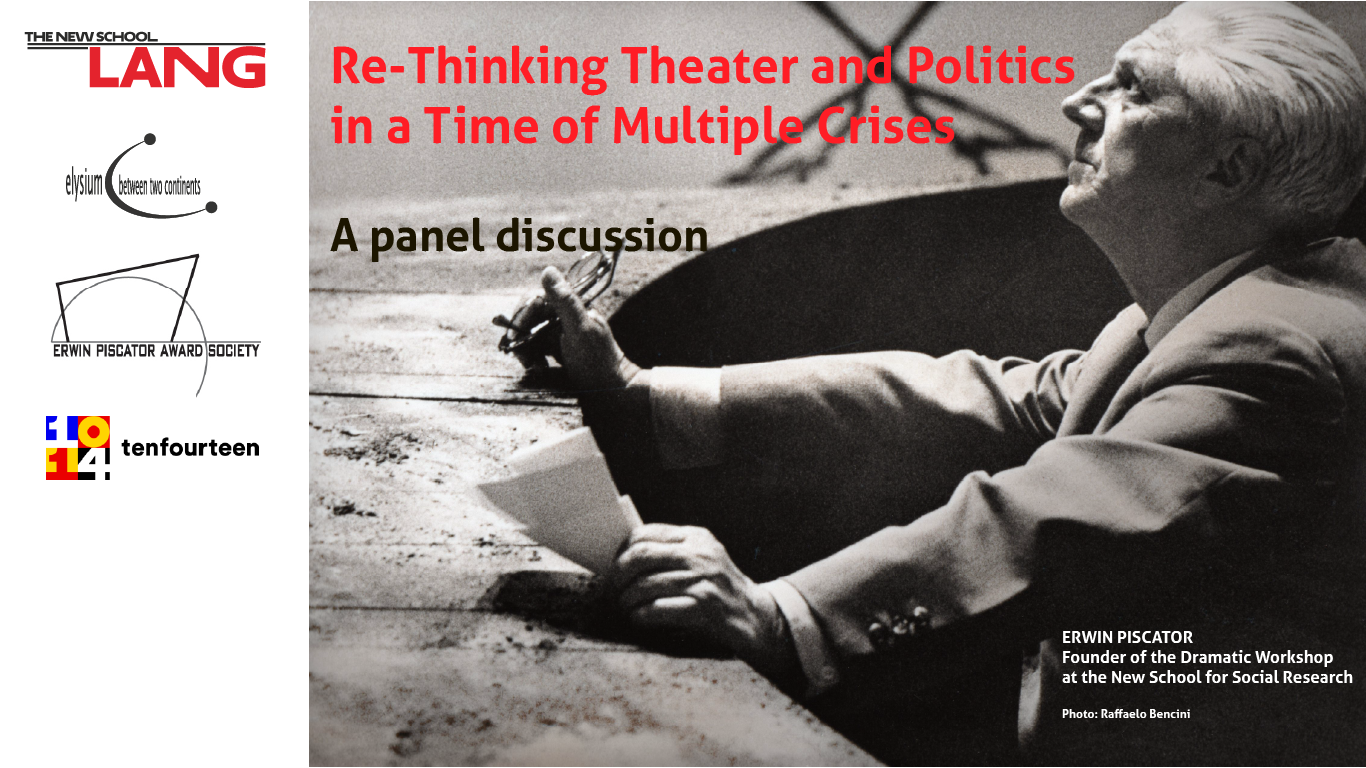
As a pioneer of political and epic theater, Piscator transformed the stages of Weimar Germany with bold, experimental productions that confronted the burning issues of his day and sought to mobilize audiences rather than merely entertain them. After fleeing Nazi Germany, Piscator carried this mission to the United States, where he founded the Dramatic Workshop at the New School for Social Research. When he returned to Germany in 1951, his theater turned toward the project of sustaining a new democratic culture in postwar West Germany.
Sixty years later, after his death on March 30, 1966: what remains of his vision?
What is the role of political theater today?
Can art still change how we think and act in the world?
Can theater instigate awareness—or even action—in an era of overlapping crises?
Or has political theater lost its force in a time when politics itself is saturated with performance and spectacle?
To discuss these questions and beyond in a panel discussion moderated by Linda S. Chapman, Co-Director of the LGBTQ+ Artists Archive Project and Founding President of Youth Arts New York.
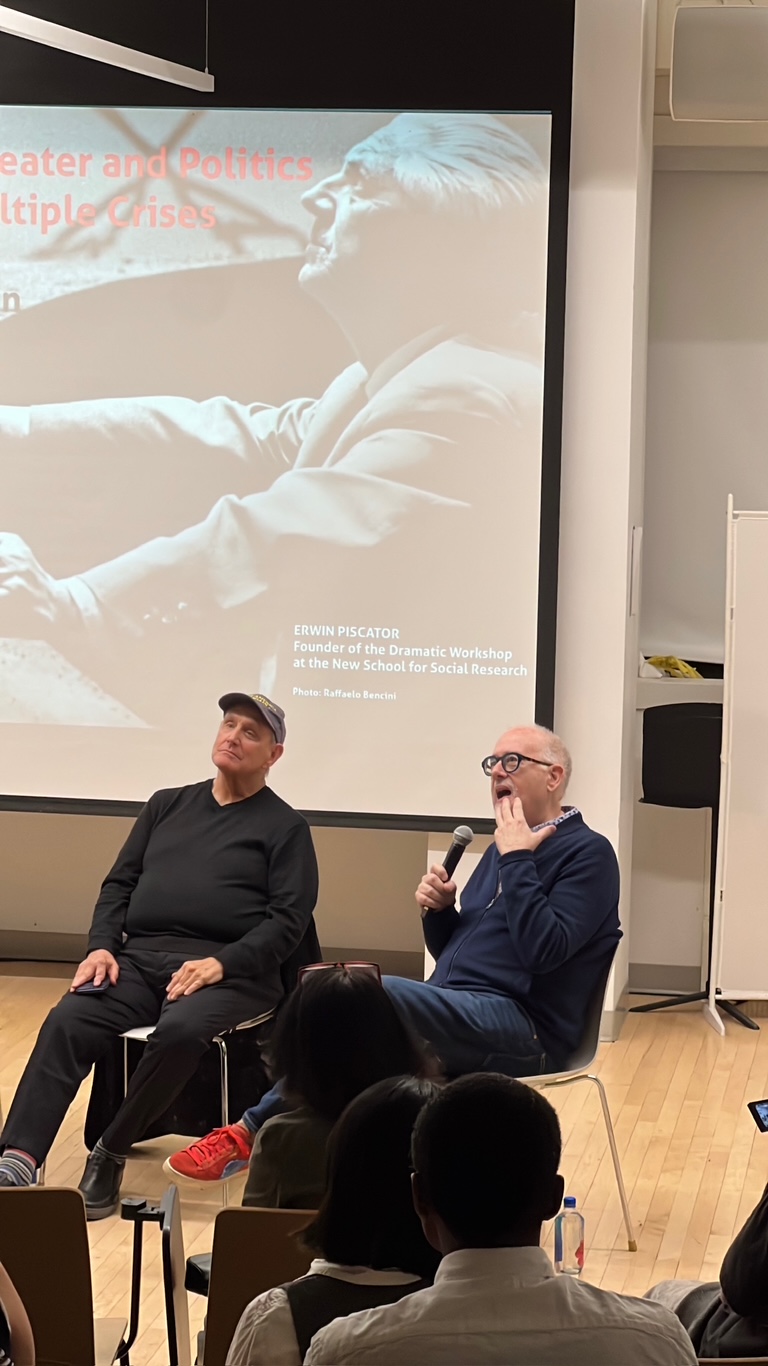
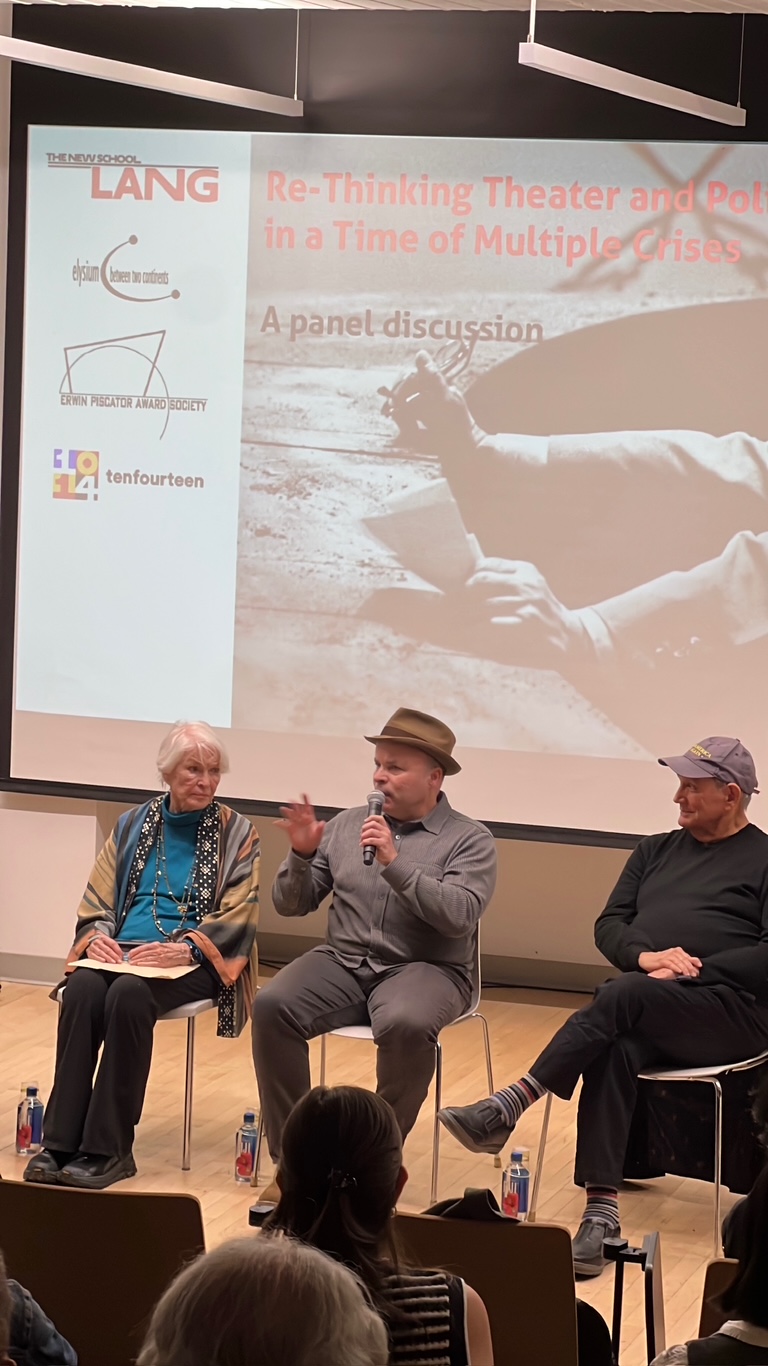
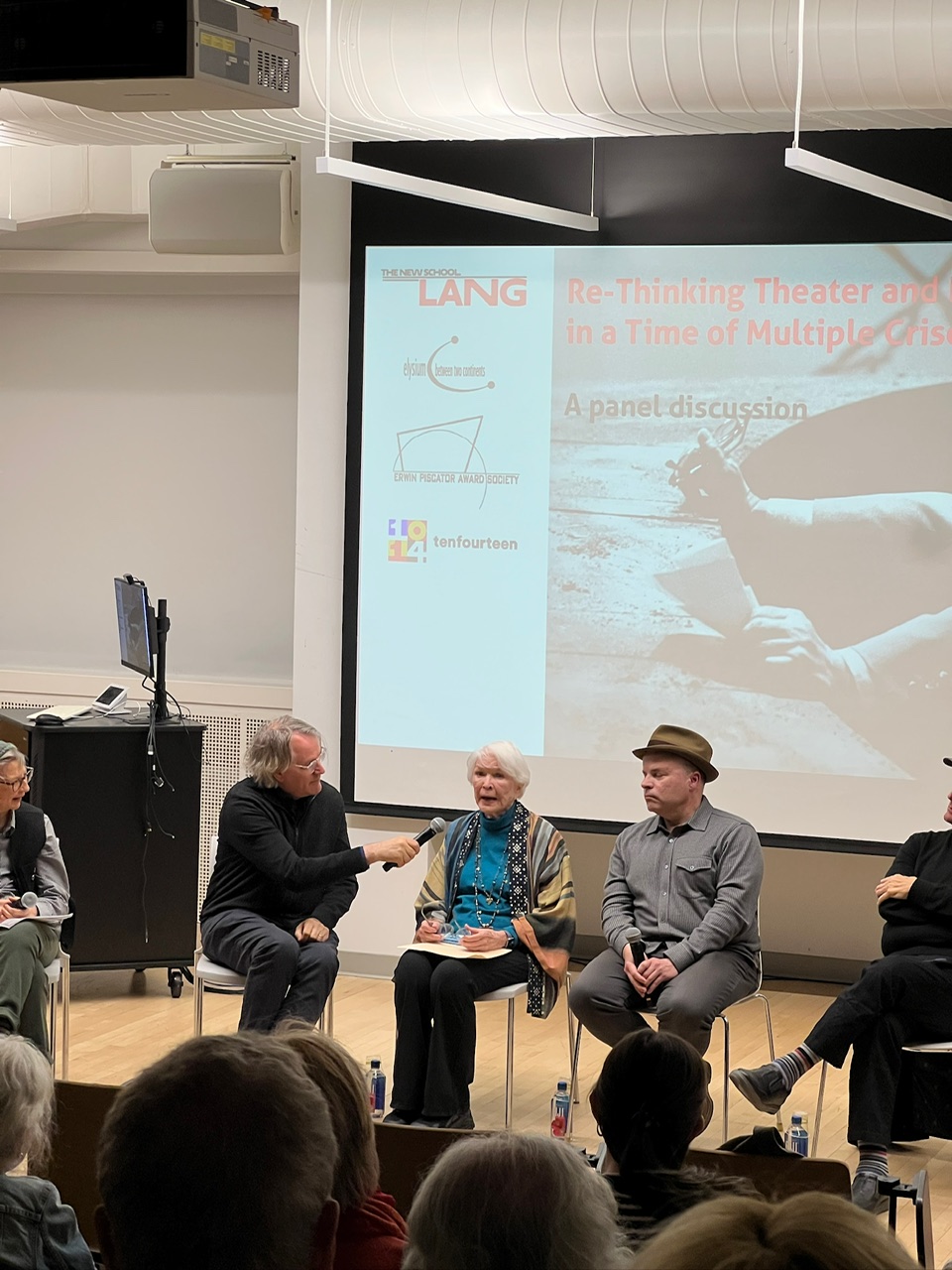
We invited recipients of the Erwin Piscator Award, actor Ellen Burstyn, playwrights Doug Wright and J.T. Rogers, stage director Bartlett Sher, and James Nicola, former artistic director of the New York Theater Workshop, to discuss these questions and beyond in a panel discussion.
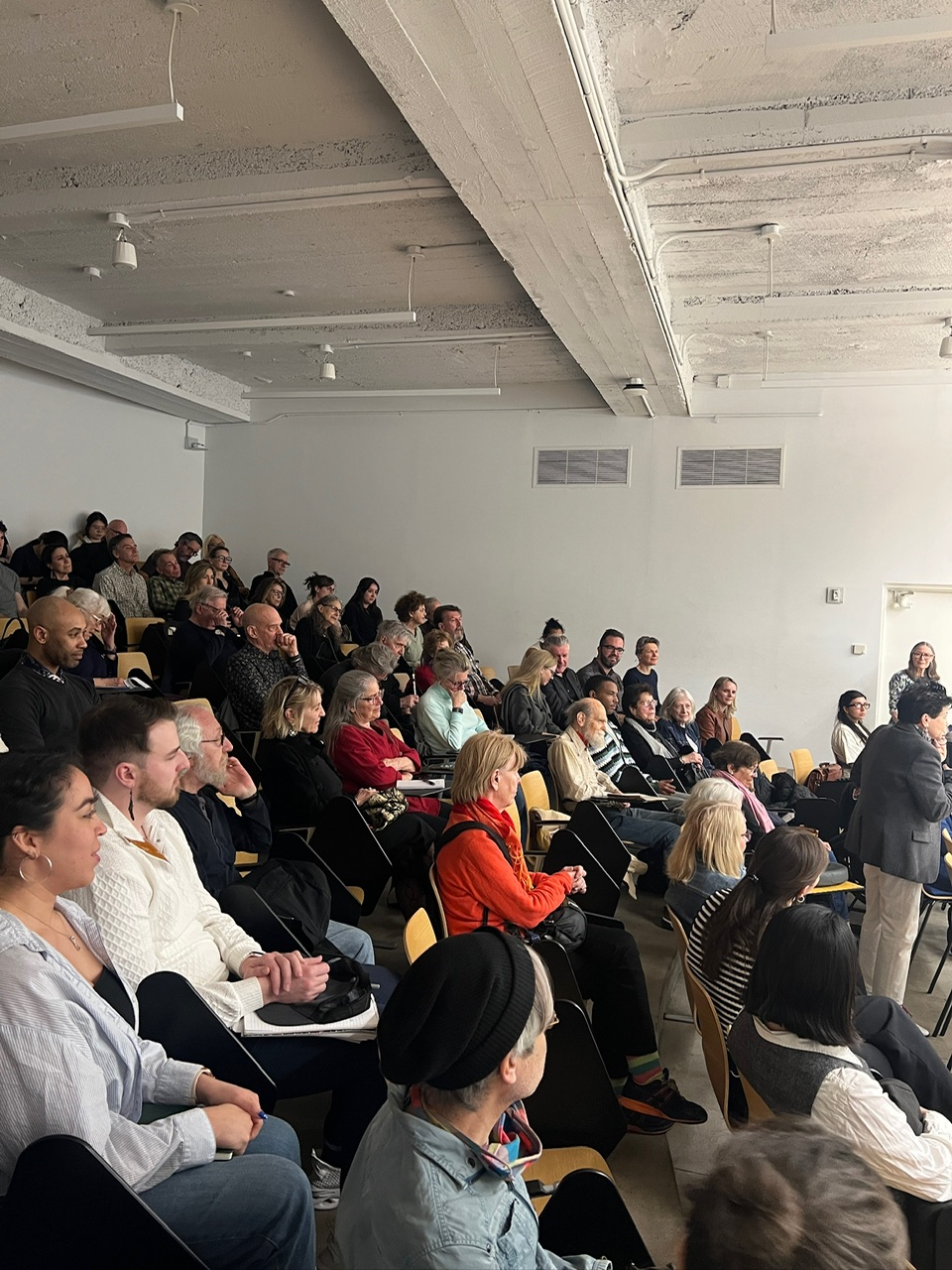
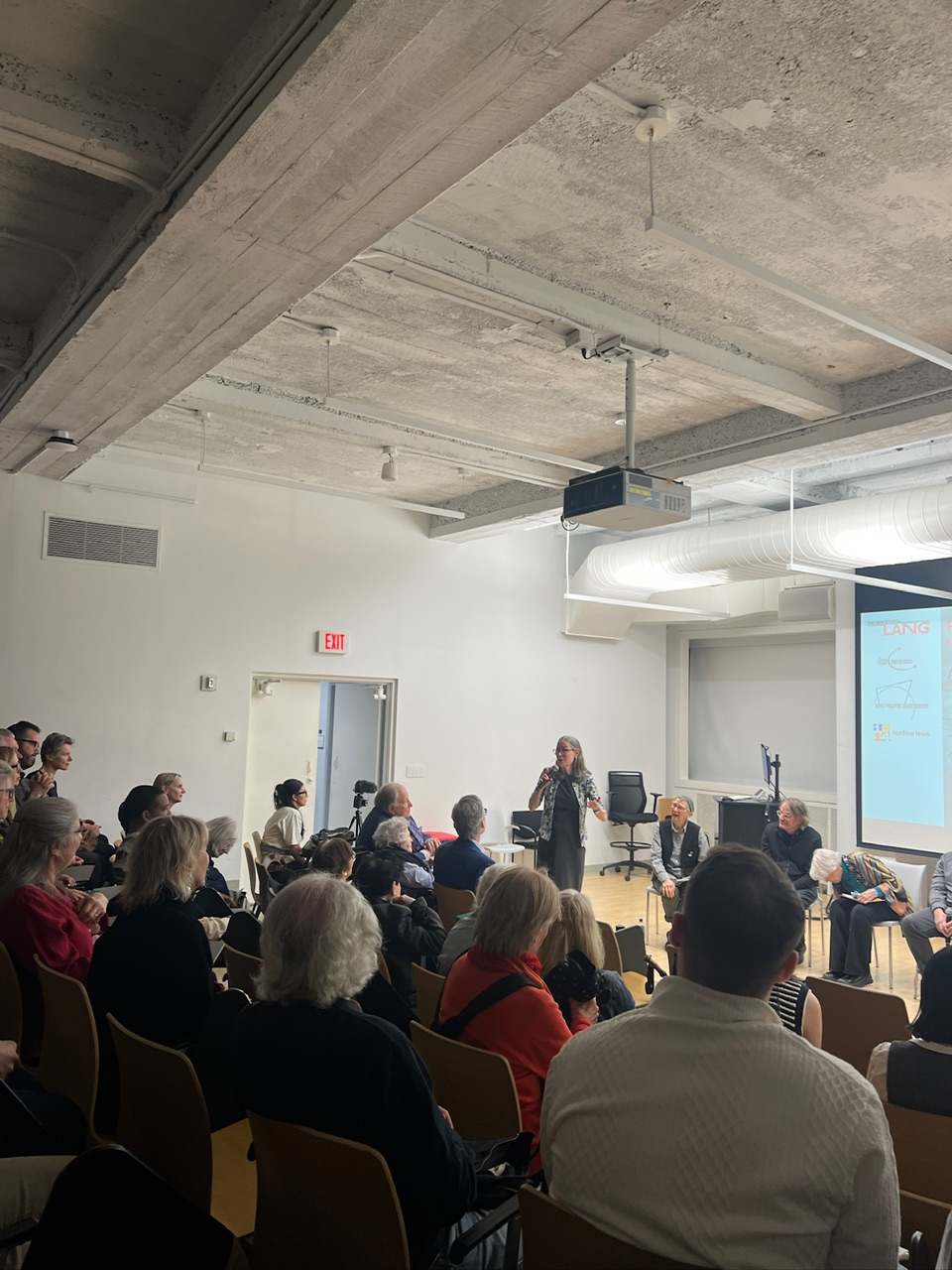
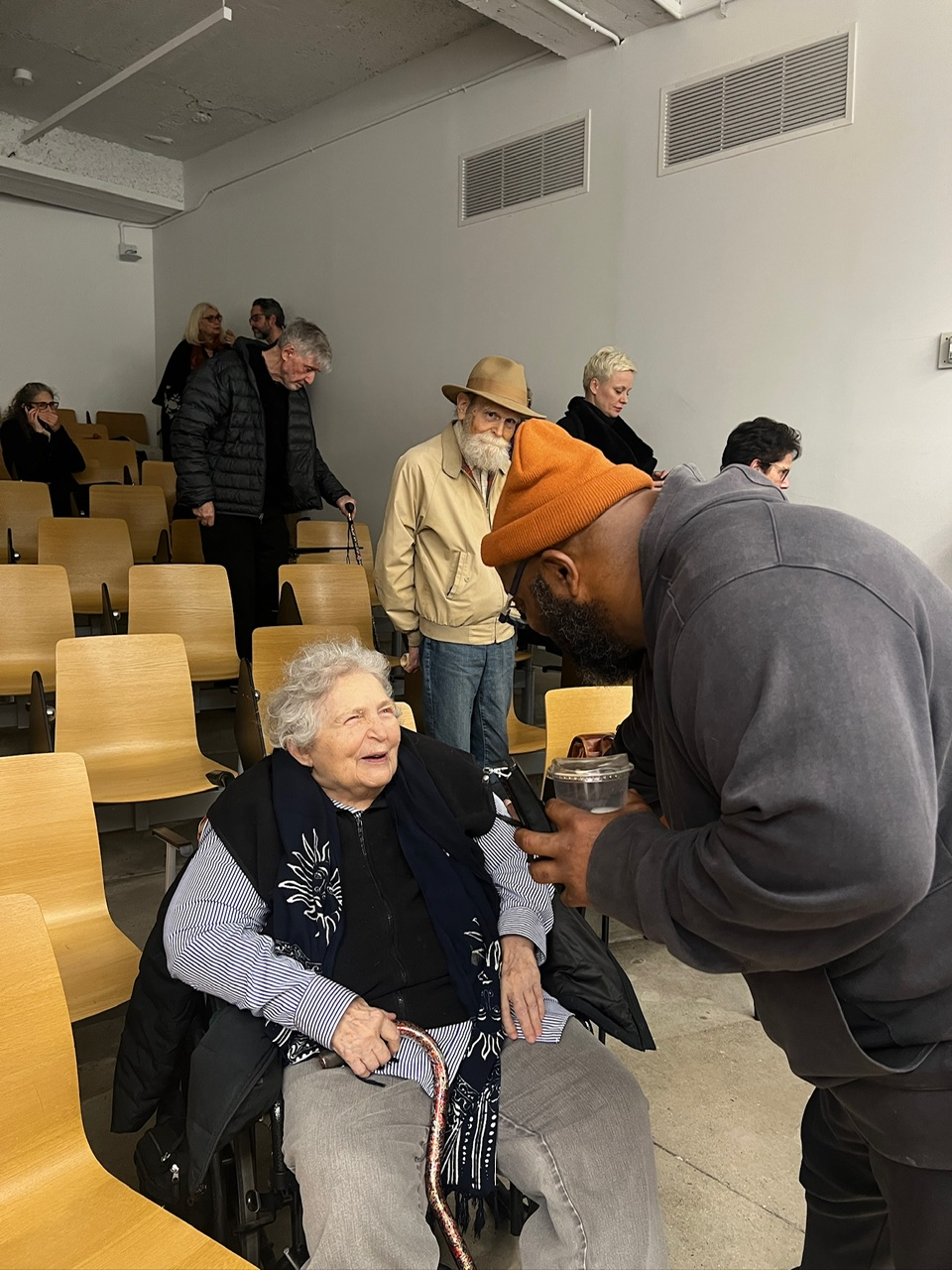
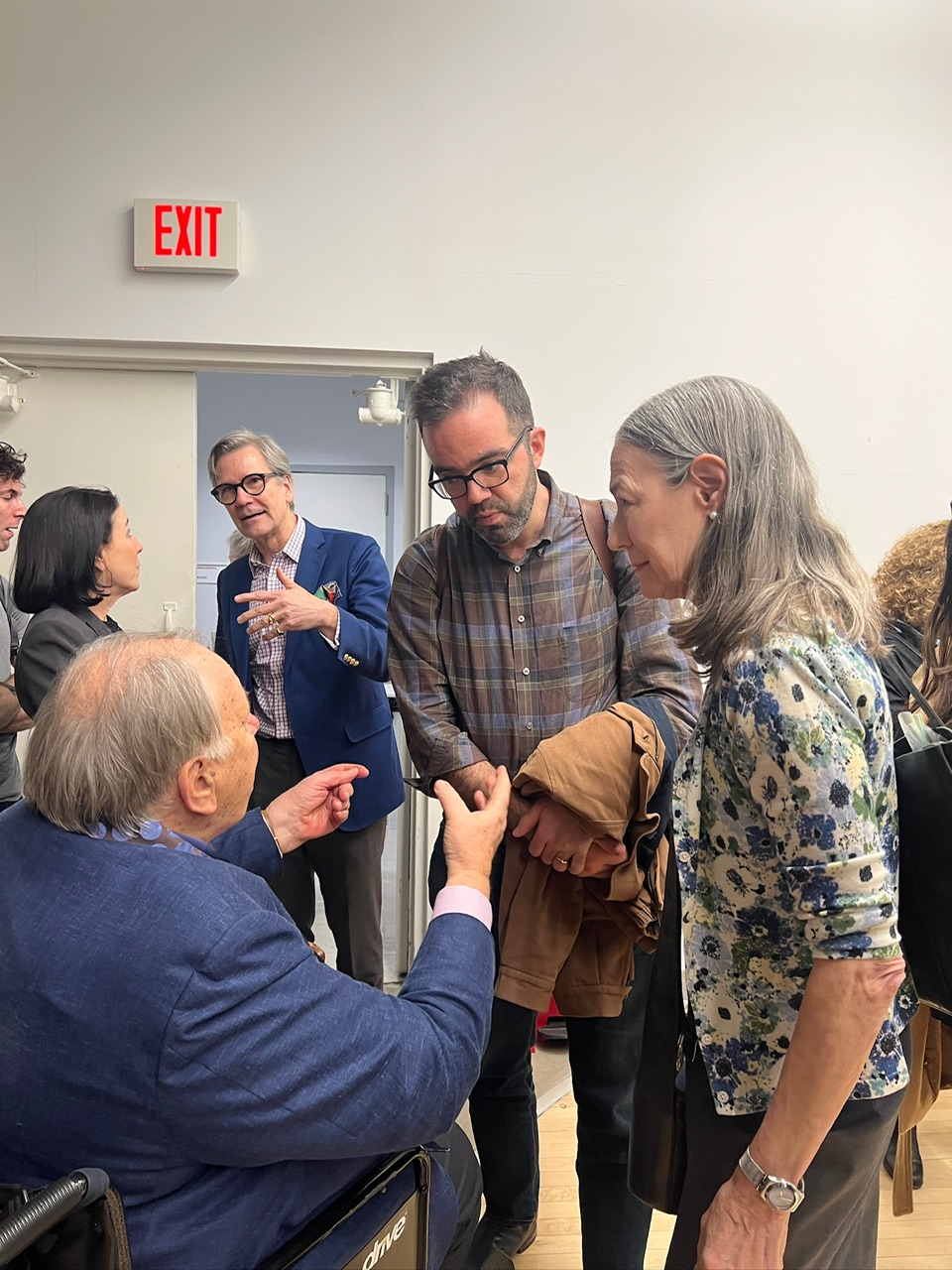
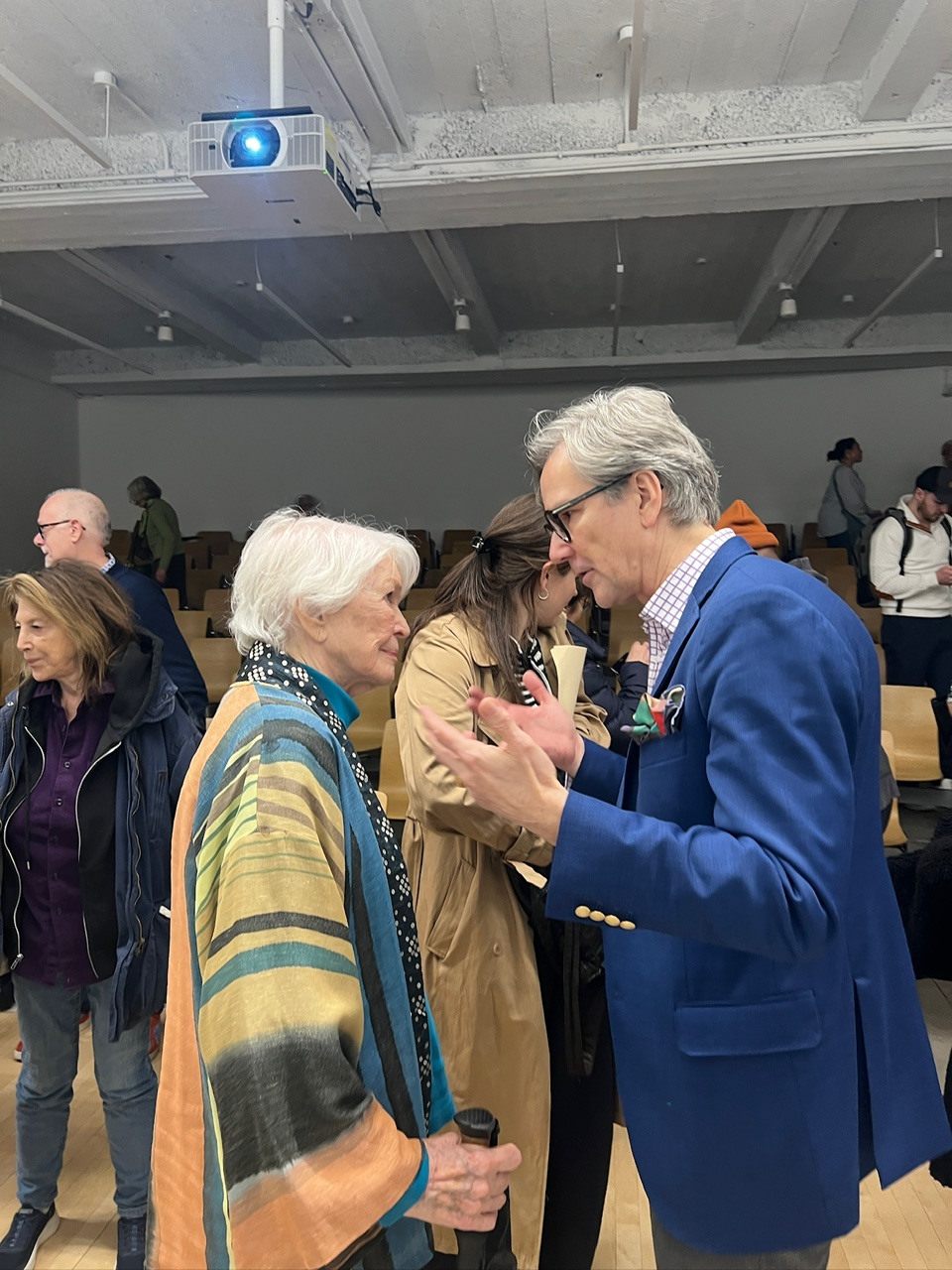
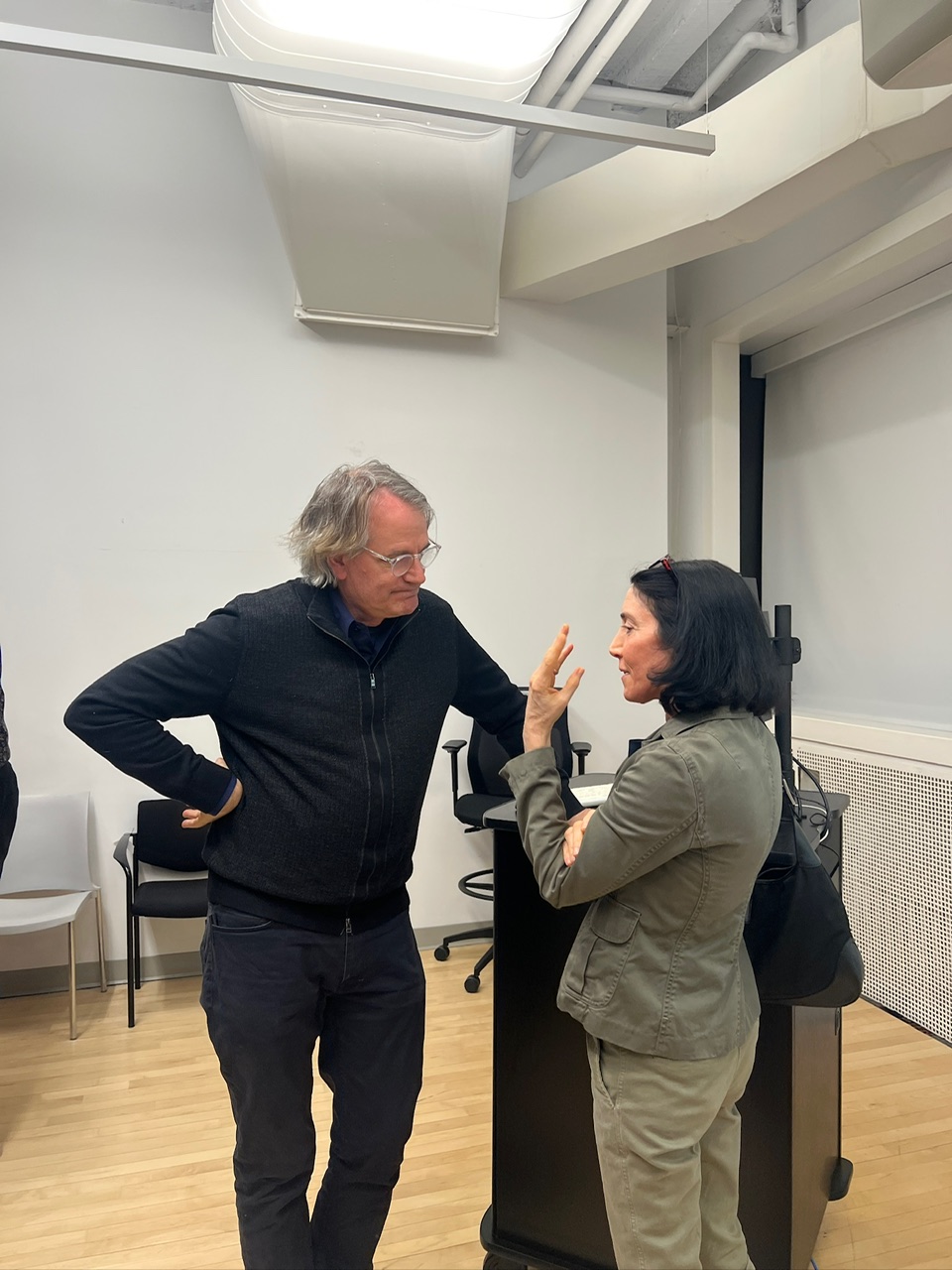
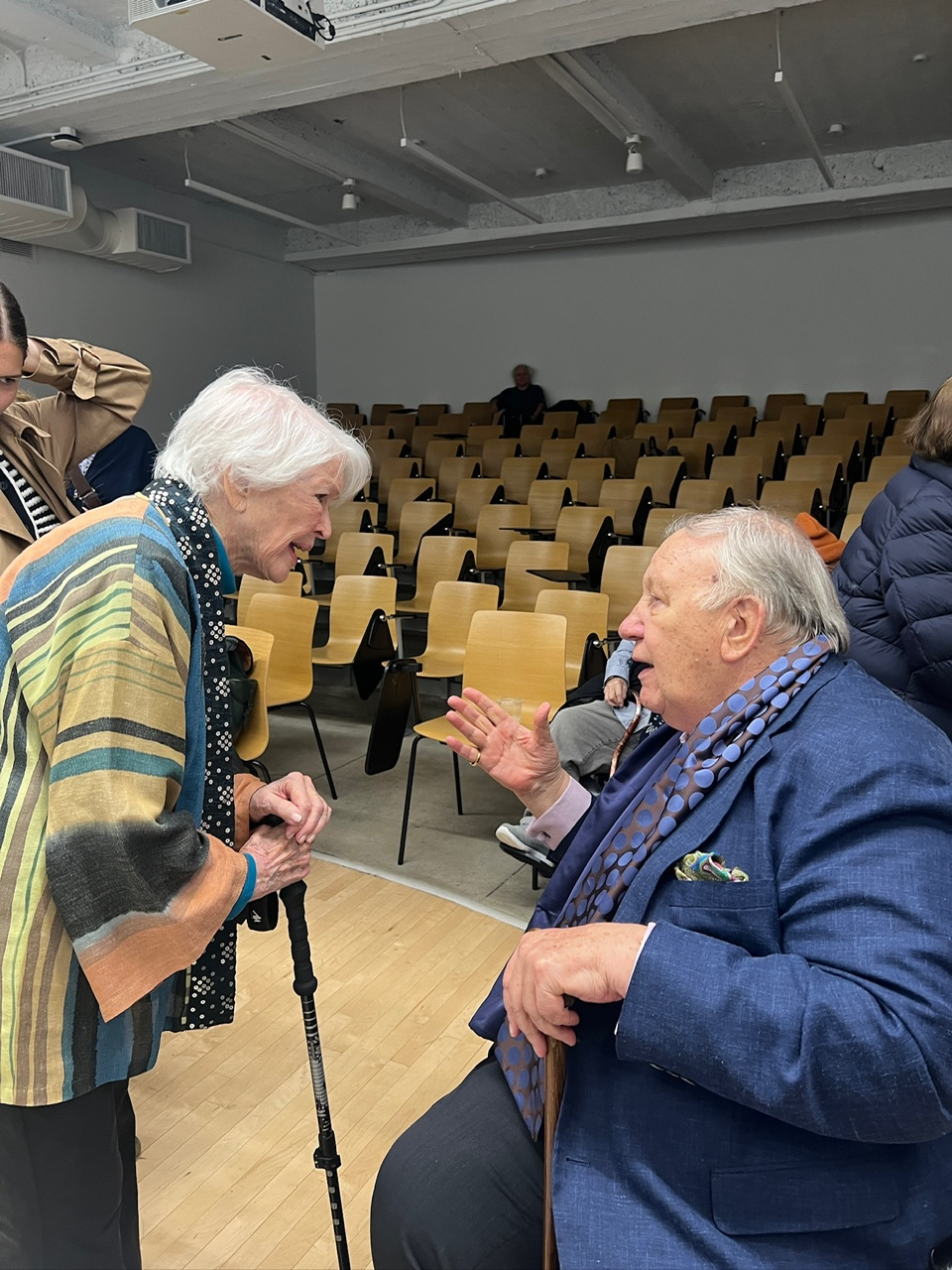
Event Photos: Lucia Lahr




As a pioneer of political and epic theater, Piscator transformed the stages of Weimar Germany with bold, experimental productions that confronted the burning issues of his day and sought to mobilize audiences rather than merely entertain them. After fleeing Nazi Germany, Piscator carried this mission to the United States, where he founded the Dramatic Workshop at the New School for Social Research. When he returned to Germany in 1951, his theater turned toward the project of sustaining a new democratic culture in postwar West Germany.
Sixty years later, after his death on March 30, 1966: what remains of his vision?
What is the role of political theater today?
Can art still change how we think and act in the world?
Can theater instigate awareness—or even action—in an era of overlapping crises?
Or has political theater lost its force in a time when politics itself is saturated with performance and spectacle?
To discuss these questions and beyond in a panel discussion moderated by Linda S. Chapman, Co-Director of the LGBTQ+ Artists Archive Project and Founding President of Youth Arts New York.
We invited recipients of the Erwin Piscator Award, actor Ellen Burstyn, playwrights Doug Wright and J.T. Rogers, stage director Bartlett Sher, and James Nicola, former artistic director of the New York Theater Workshop, to discuss these questions and beyond in a panel discussion.
Event Photos: Lucia Lahr

As a pioneer of political and epic theater, Piscator transformed the stages of Weimar Germany with bold, experimental productions that confronted the burning issues of his day and sought to mobilize audiences rather than merely entertain them. After fleeing Nazi Germany, Piscator carried this mission to the United States, where he founded the Dramatic Workshop at the New School for Social Research. When he returned to Germany in 1951, his theater turned toward the project of sustaining a new democratic culture in postwar West Germany.
Sixty years later, after his death on March 30, 1966: what remains of his vision?
What is the role of political theater today?
Can art still change how we think and act in the world?
Can theater instigate awareness—or even action—in an era of overlapping crises?
Or has political theater lost its force in a time when politics itself is saturated with performance and spectacle?
To discuss these questions and beyond in a panel discussion moderated by Linda S. Chapman, Co-Director of the LGBTQ+ Artists Archive Project and Founding President of Youth Arts New York.
We invited recipients of the Erwin Piscator Award, actor Ellen Burstyn, playwrights Doug Wright and J.T. Rogers, stage director Bartlett Sher, and James Nicola, former artistic director of the New York Theater Workshop, to discuss these questions and beyond in a panel discussion.
Event Photos: Lucia Lahr
Session Recording
Gallery