.jpg)

.png)
The Next Frontier and New Realities: Leadership in a Multipolar World
.svg)
.svg)
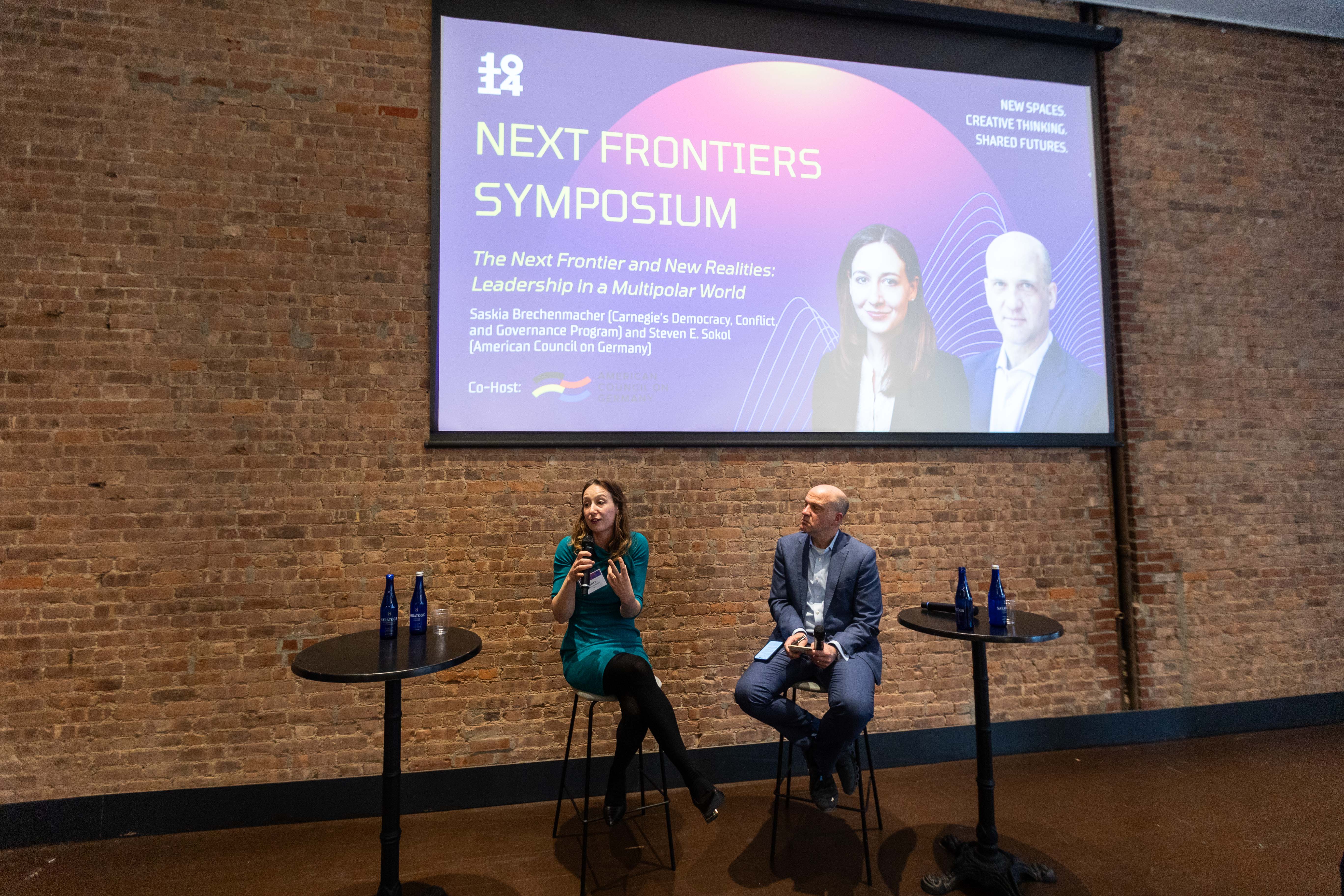
Inspired by the spirit of renewal and global engagement that defined President John F. Kennedy’s “New Frontier” speech, this conversation explores what political leadership looks like in an increasingly multipolar world. As power diffuses across regions and institutions, today’s leaders face a more complex landscape — one marked by strategic competition, democratic backsliding, and shifting alliances.
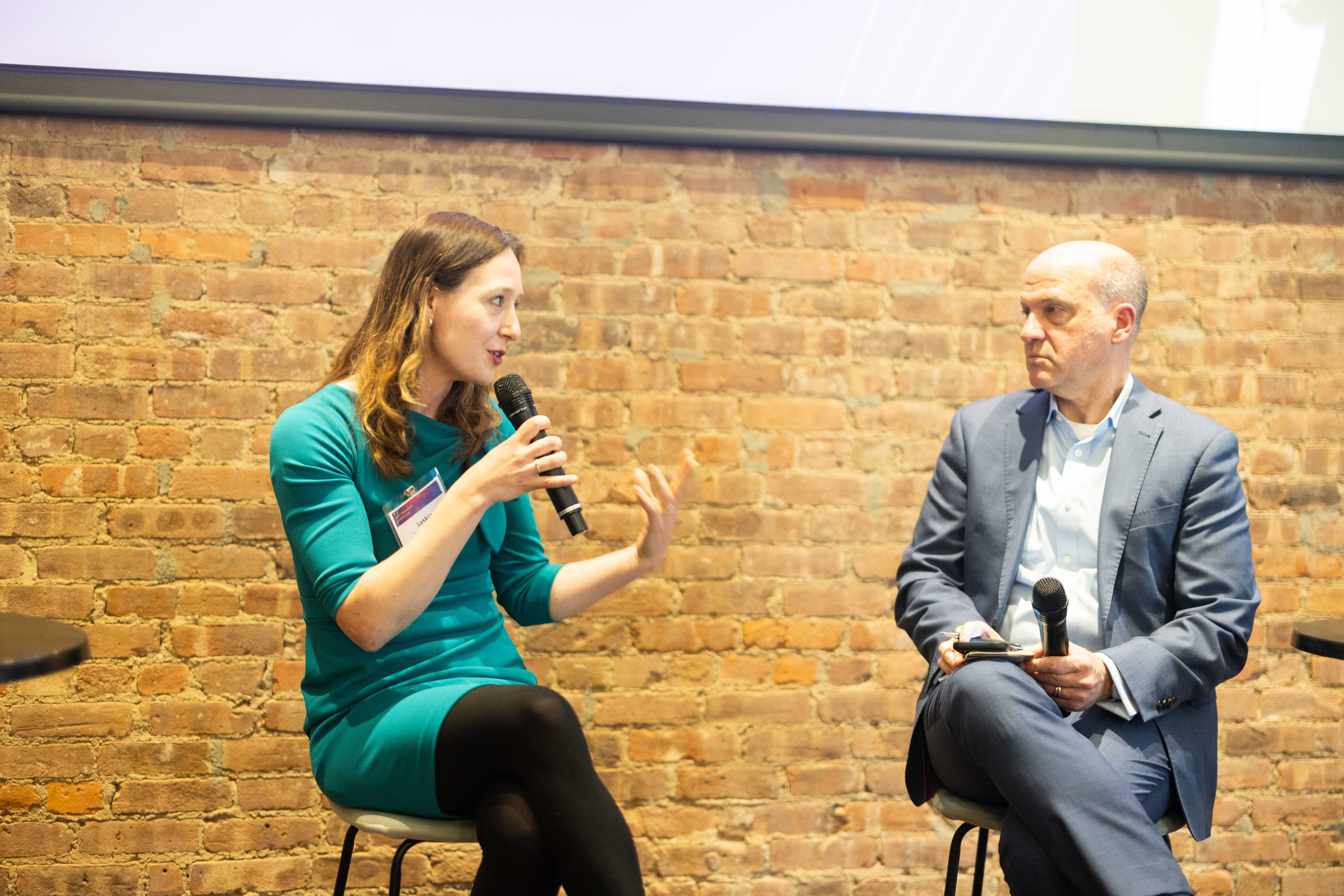
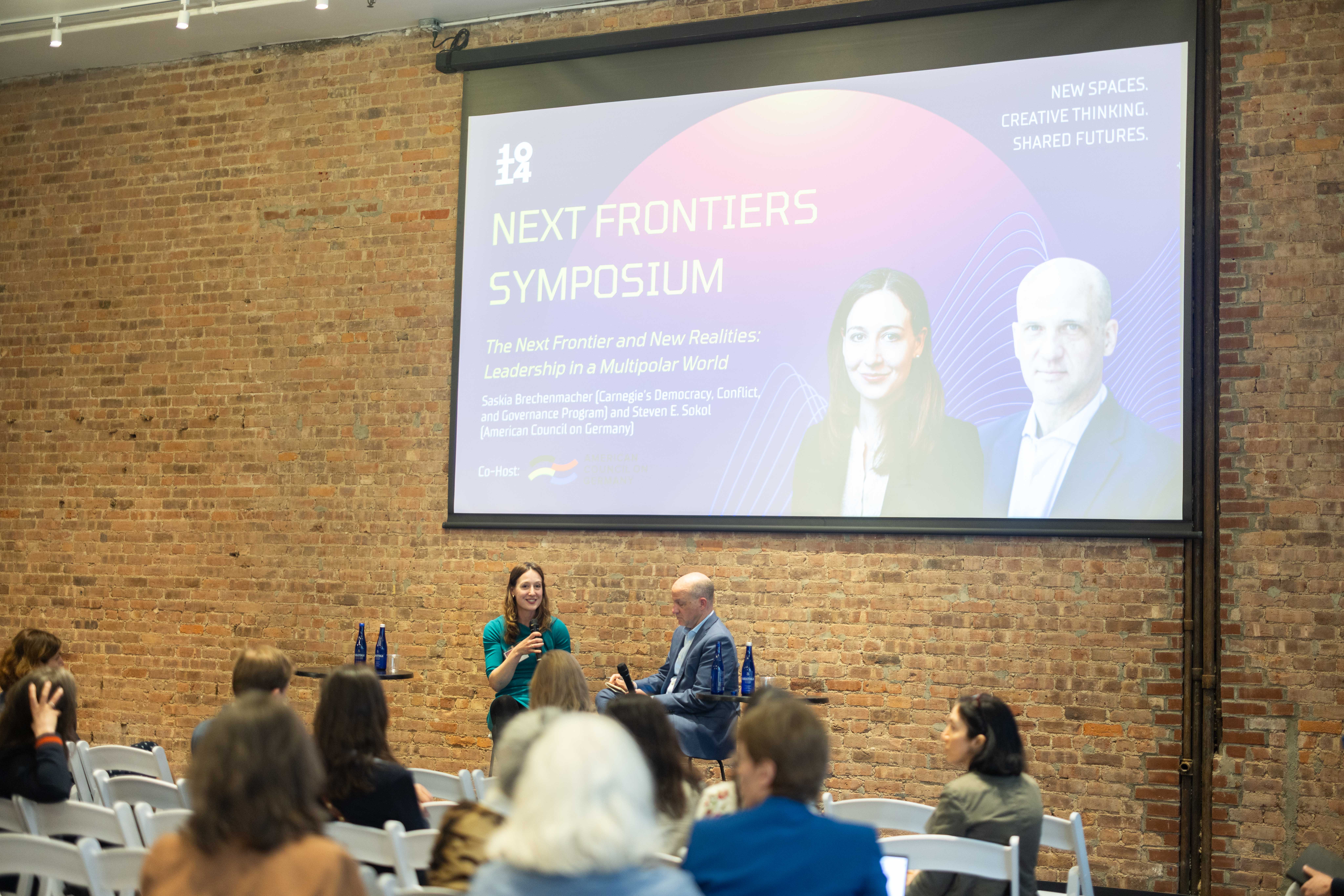
Saskia Brechenmacher of the Carnegie Endowment for International Peace and Steven E. Sokol of the American Council on Germany bring deep expertise on democracy, transatlantic relations, and global governance to a timely discussion on how leaders can navigate these challenges. As democratic systems face mounting pressures from technological disruption, geopolitical volatility, and declining public trust, the speakers will discuss how transatlantic partners can pioneer new approaches to civic resilience, institutional renewal, and democratic engagement. What does principled leadership require in an era without a single dominant power center? How can democratic values be advanced amid rising geopolitical tensions? And what lessons, if any, can be drawn from past moments of transformation like the early 1960s?
This panel invites participants to reflect on the responsibilities — and possibilities — of leadership in a world that is once again being redefined.
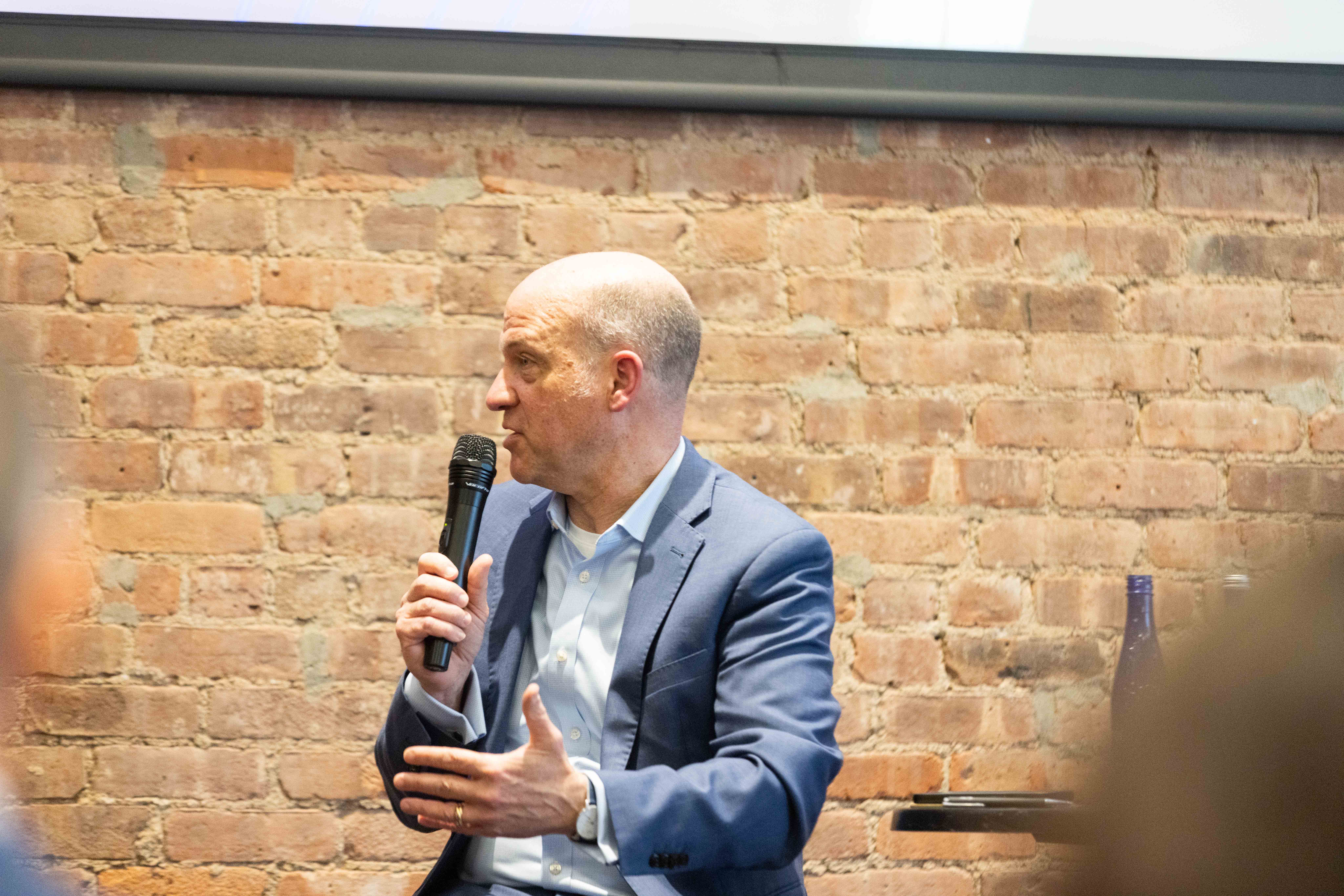
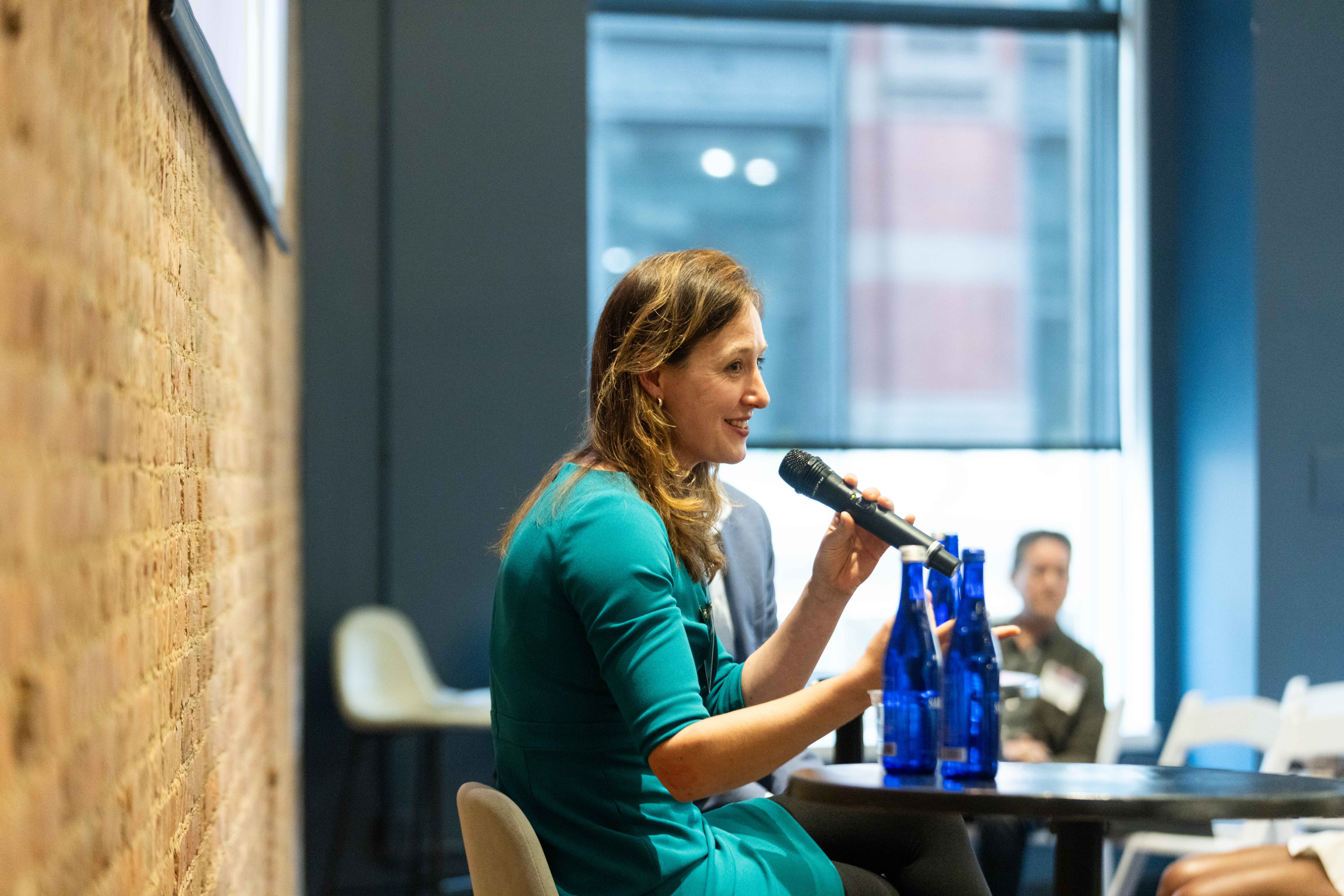
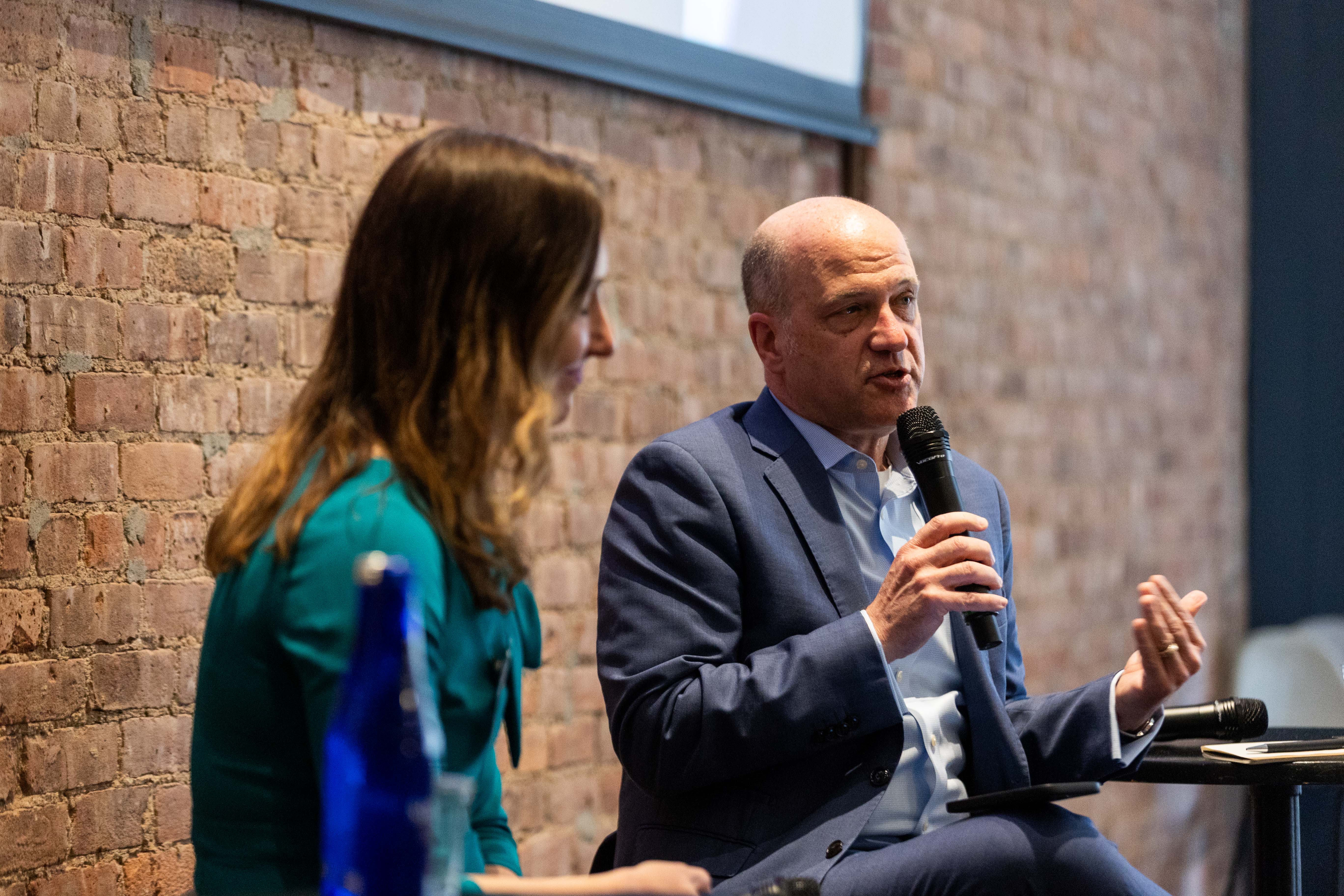
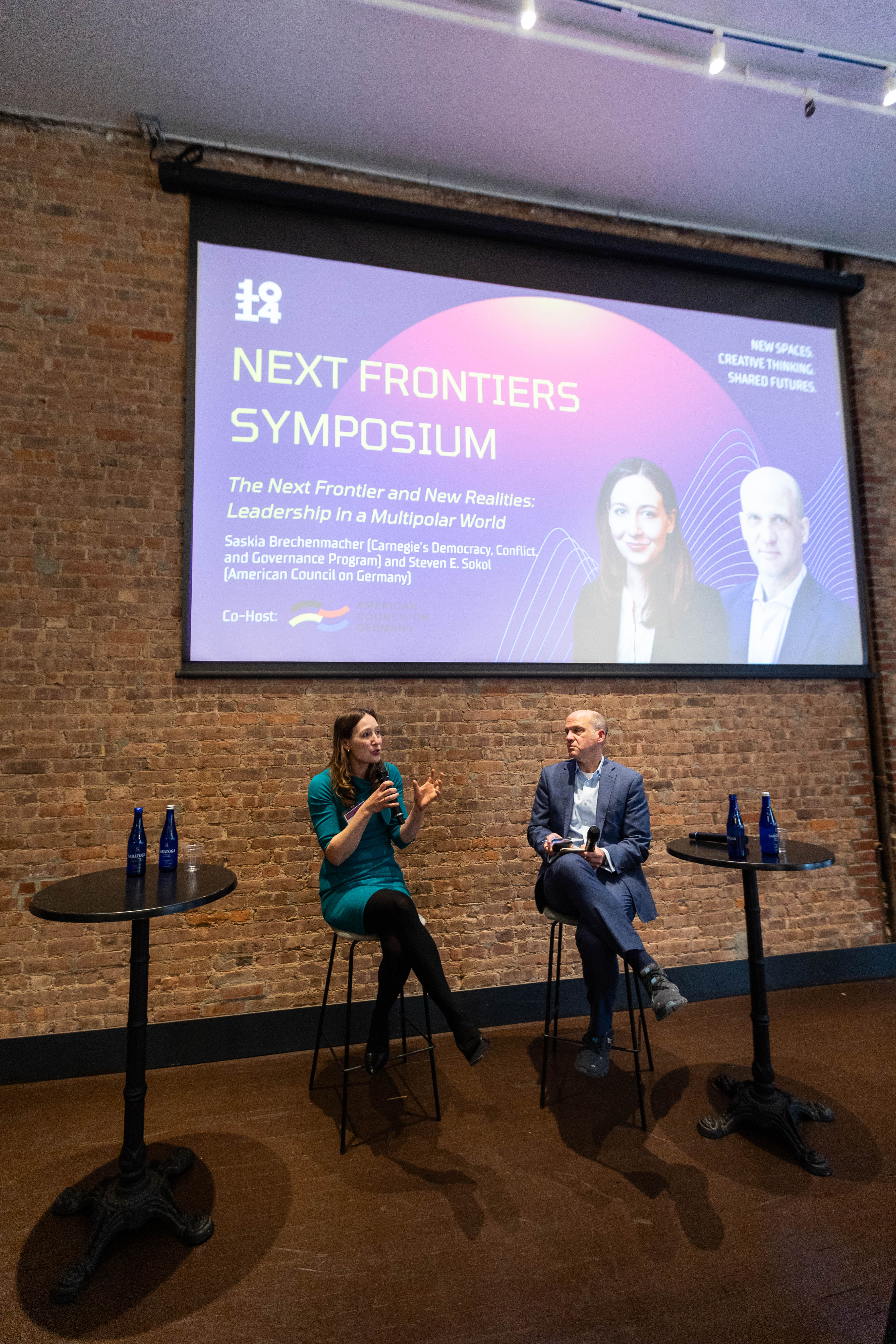
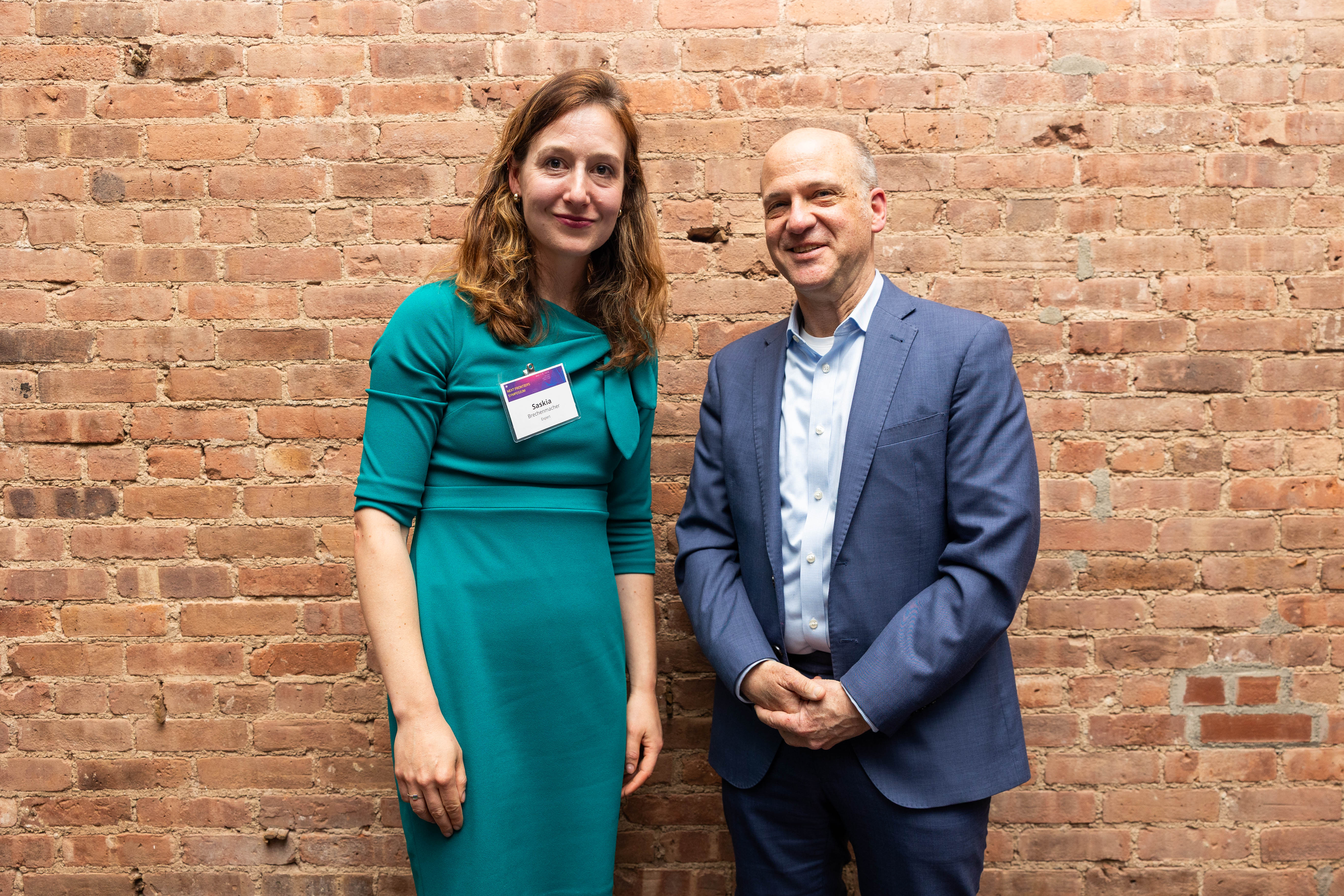
Featuring Saskia Brechenmacher (senior fellow in Carnegie’s Democracy, Conflict, and Governance Program) and Steven E. Sokol (President of the American Council on Germany)
Thank you to our program co-hosts and partners, the ACG, DWIH, and the University of Cologne New York Office, as well as to Vitra for generously hosting us for our opening reception and keynote. Thank you also to Campus OWL, Deutsches Haus at NYU, Goethe-Institut New York, Heidelberg University Association, UAS7, The University of Freiburg, and UA Ruhr North America for your support.
Event Photos: Roshni Khatri
Biography

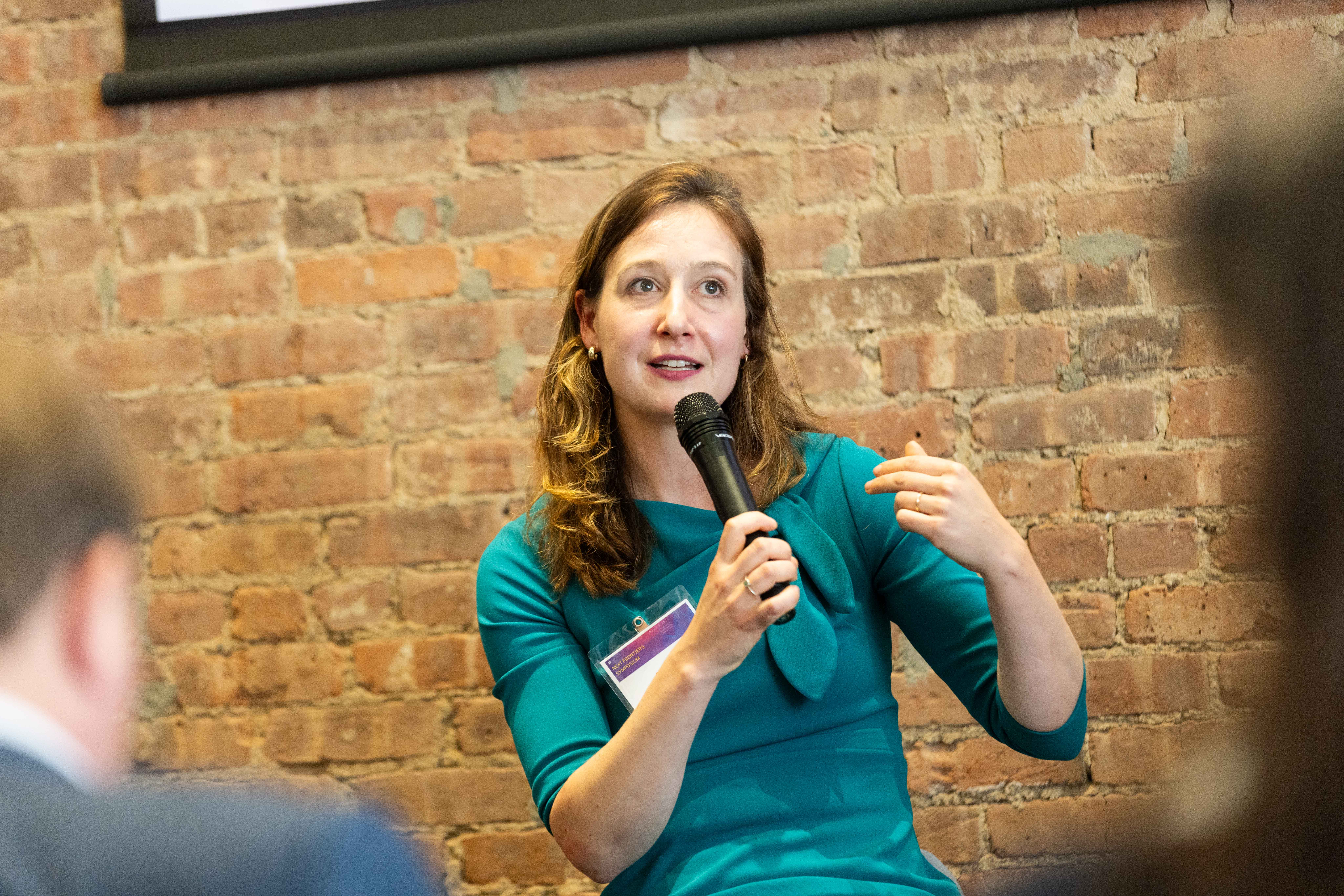
Saskia Brechenmacher is a senior fellow in Carnegie’s Democracy, Conflict, and Governance Program, where her research focuses on gender, civil society, and democratic governance in the United States and globally.
She has advised major governmental and private funders on strategies to advance women’s political participation and defend civic space in countries experiencing democratic backsliding. Her writing has been published in Democratization, Foreign Policy, Just Security, National Interest, Open Democracy, World Politics Review, and elsewhere. She is the co-author (with Katherine Mann) of Aiding Empowerment: Democracy Promotion and Gender Equality in Politics, published with Oxford University Press in 2024.
Brechenmacher currently serves on the board of directors of the International Center for Not-for-Profit Law and as a member of the Advisory Group of the OECD’s Civic Space Observatory. Prior to joining Carnegie, she worked as a researcher at the World Peace Foundation in Boston and co-led a project on governance and corruption in Uganda for the Henry J. Leir Institute for Migration and Human Security at Tufts University. She is a 2017 Atlantik-Brücke Young Leader and a Humanity in Action Senior Fellow and previously gained experience at Carnegie Europe in Brussels, the Friedrich-Ebert-Stiftung in London, and the EUROPEUM Institute for European Policy in Prague. She holds a PhD from the University of Cambridge, where she studied as a Gates Cambridge Scholar.
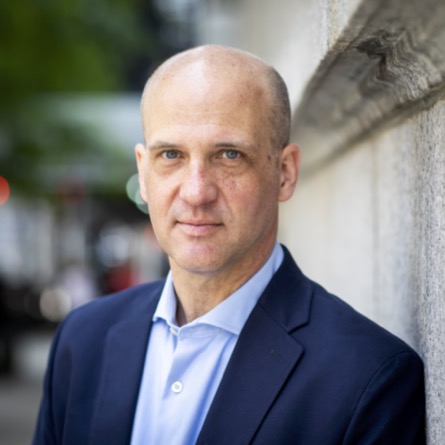
Dr. Steven E. Sokol has been the President of the American Council on Germany since 2015. Under his leadership, the ACG has expanded its programming and deepened its policy engagement. This includes launching programs and activities designed to reach a wider audience, such as virtual events, podcasts, a curated news digest, and the popular Kaffeepause series, where Dr. Sokol regularly meets with a Berlin-based journalist to talk about the news stories behind the headlines.
He served as President and CEO of the World Affairs Council of Pittsburgh from July 2010 until April 2015. While there, he hosted a weekly radio program, The Pittsburgh Global Press Conference, which featured interviews with experts and thought leaders on international affairs and global events – and their local impact. Prior to that, he was the Vice President and Director of Programs at the American Council on Germany for nearly eight years.
Dr. Sokol has more than 25 years of experience working with nonprofit organizations in Europe and the United States. He served as the Deputy Director of the Aspen Institute Berlin, was the Head of the Project Management Department at the Bonn International Center for Conversion GmbH (BICC), and was a Program Officer in the Berlin office of the German Marshall Fund of the United States. Earlier in his career, he worked at a law firm in Washington, DC (Fulbright & Jaworski LLP), and later at a membership organization for local government officials (the International City/County Management Association, ICMA).
He holds a Doctorate in Law and Policy from Northeastern University as well as an M.A. in International Relations and International Economics from the Johns Hopkins University’s Paul Nitze School of Advanced International Studies (SAIS) and a B.A. from Wesleyan University. He also studied at the Ruprecht-Karls-Universität in Heidelberg and as a Fulbright Scholar at the Freie Universität in Berlin. He was awarded the Officer’s Cross of the Order of Merit (Bundesverdienstkreuz) from the German government for his work to strengthen German-American relations. Dr. Sokol is a member of the Council on Foreign Relations, and has served on a number of nonprofit boards.



Inspired by the spirit of renewal and global engagement that defined President John F. Kennedy’s “New Frontier” speech, this conversation explores what political leadership looks like in an increasingly multipolar world. As power diffuses across regions and institutions, today’s leaders face a more complex landscape — one marked by strategic competition, democratic backsliding, and shifting alliances.
Saskia Brechenmacher of the Carnegie Endowment for International Peace and Steven E. Sokol of the American Council on Germany bring deep expertise on democracy, transatlantic relations, and global governance to a timely discussion on how leaders can navigate these challenges. As democratic systems face mounting pressures from technological disruption, geopolitical volatility, and declining public trust, the speakers will discuss how transatlantic partners can pioneer new approaches to civic resilience, institutional renewal, and democratic engagement. What does principled leadership require in an era without a single dominant power center? How can democratic values be advanced amid rising geopolitical tensions? And what lessons, if any, can be drawn from past moments of transformation like the early 1960s?
This panel invites participants to reflect on the responsibilities — and possibilities — of leadership in a world that is once again being redefined.
Featuring Saskia Brechenmacher (senior fellow in Carnegie’s Democracy, Conflict, and Governance Program) and Steven E. Sokol (President of the American Council on Germany)
Thank you to our program co-hosts and partners, the ACG, DWIH, and the University of Cologne New York Office, as well as to Vitra for generously hosting us for our opening reception and keynote. Thank you also to Campus OWL, Deutsches Haus at NYU, Goethe-Institut New York, Heidelberg University Association, UAS7, The University of Freiburg, and UA Ruhr North America for your support.
Event Photos: Roshni Khatri
Biography
Saskia Brechenmacher is a senior fellow in Carnegie’s Democracy, Conflict, and Governance Program, where her research focuses on gender, civil society, and democratic governance in the United States and globally.
She has advised major governmental and private funders on strategies to advance women’s political participation and defend civic space in countries experiencing democratic backsliding. Her writing has been published in Democratization, Foreign Policy, Just Security, National Interest, Open Democracy, World Politics Review, and elsewhere. She is the co-author (with Katherine Mann) of Aiding Empowerment: Democracy Promotion and Gender Equality in Politics, published with Oxford University Press in 2024.
Brechenmacher currently serves on the board of directors of the International Center for Not-for-Profit Law and as a member of the Advisory Group of the OECD’s Civic Space Observatory. Prior to joining Carnegie, she worked as a researcher at the World Peace Foundation in Boston and co-led a project on governance and corruption in Uganda for the Henry J. Leir Institute for Migration and Human Security at Tufts University. She is a 2017 Atlantik-Brücke Young Leader and a Humanity in Action Senior Fellow and previously gained experience at Carnegie Europe in Brussels, the Friedrich-Ebert-Stiftung in London, and the EUROPEUM Institute for European Policy in Prague. She holds a PhD from the University of Cambridge, where she studied as a Gates Cambridge Scholar.
Dr. Steven E. Sokol has been the President of the American Council on Germany since 2015. Under his leadership, the ACG has expanded its programming and deepened its policy engagement. This includes launching programs and activities designed to reach a wider audience, such as virtual events, podcasts, a curated news digest, and the popular Kaffeepause series, where Dr. Sokol regularly meets with a Berlin-based journalist to talk about the news stories behind the headlines.
He served as President and CEO of the World Affairs Council of Pittsburgh from July 2010 until April 2015. While there, he hosted a weekly radio program, The Pittsburgh Global Press Conference, which featured interviews with experts and thought leaders on international affairs and global events – and their local impact. Prior to that, he was the Vice President and Director of Programs at the American Council on Germany for nearly eight years.
Dr. Sokol has more than 25 years of experience working with nonprofit organizations in Europe and the United States. He served as the Deputy Director of the Aspen Institute Berlin, was the Head of the Project Management Department at the Bonn International Center for Conversion GmbH (BICC), and was a Program Officer in the Berlin office of the German Marshall Fund of the United States. Earlier in his career, he worked at a law firm in Washington, DC (Fulbright & Jaworski LLP), and later at a membership organization for local government officials (the International City/County Management Association, ICMA).
He holds a Doctorate in Law and Policy from Northeastern University as well as an M.A. in International Relations and International Economics from the Johns Hopkins University’s Paul Nitze School of Advanced International Studies (SAIS) and a B.A. from Wesleyan University. He also studied at the Ruprecht-Karls-Universität in Heidelberg and as a Fulbright Scholar at the Freie Universität in Berlin. He was awarded the Officer’s Cross of the Order of Merit (Bundesverdienstkreuz) from the German government for his work to strengthen German-American relations. Dr. Sokol is a member of the Council on Foreign Relations, and has served on a number of nonprofit boards.

Inspired by the spirit of renewal and global engagement that defined President John F. Kennedy’s “New Frontier” speech, this conversation explores what political leadership looks like in an increasingly multipolar world. As power diffuses across regions and institutions, today’s leaders face a more complex landscape — one marked by strategic competition, democratic backsliding, and shifting alliances.
Saskia Brechenmacher of the Carnegie Endowment for International Peace and Steven E. Sokol of the American Council on Germany bring deep expertise on democracy, transatlantic relations, and global governance to a timely discussion on how leaders can navigate these challenges. As democratic systems face mounting pressures from technological disruption, geopolitical volatility, and declining public trust, the speakers will discuss how transatlantic partners can pioneer new approaches to civic resilience, institutional renewal, and democratic engagement. What does principled leadership require in an era without a single dominant power center? How can democratic values be advanced amid rising geopolitical tensions? And what lessons, if any, can be drawn from past moments of transformation like the early 1960s?
This panel invites participants to reflect on the responsibilities — and possibilities — of leadership in a world that is once again being redefined.
Featuring Saskia Brechenmacher (senior fellow in Carnegie’s Democracy, Conflict, and Governance Program) and Steven E. Sokol (President of the American Council on Germany)
Thank you to our program co-hosts and partners, the ACG, DWIH, and the University of Cologne New York Office, as well as to Vitra for generously hosting us for our opening reception and keynote. Thank you also to Campus OWL, Deutsches Haus at NYU, Goethe-Institut New York, Heidelberg University Association, UAS7, The University of Freiburg, and UA Ruhr North America for your support.
Event Photos: Roshni Khatri
Biography
Saskia Brechenmacher is a senior fellow in Carnegie’s Democracy, Conflict, and Governance Program, where her research focuses on gender, civil society, and democratic governance in the United States and globally.
She has advised major governmental and private funders on strategies to advance women’s political participation and defend civic space in countries experiencing democratic backsliding. Her writing has been published in Democratization, Foreign Policy, Just Security, National Interest, Open Democracy, World Politics Review, and elsewhere. She is the co-author (with Katherine Mann) of Aiding Empowerment: Democracy Promotion and Gender Equality in Politics, published with Oxford University Press in 2024.
Brechenmacher currently serves on the board of directors of the International Center for Not-for-Profit Law and as a member of the Advisory Group of the OECD’s Civic Space Observatory. Prior to joining Carnegie, she worked as a researcher at the World Peace Foundation in Boston and co-led a project on governance and corruption in Uganda for the Henry J. Leir Institute for Migration and Human Security at Tufts University. She is a 2017 Atlantik-Brücke Young Leader and a Humanity in Action Senior Fellow and previously gained experience at Carnegie Europe in Brussels, the Friedrich-Ebert-Stiftung in London, and the EUROPEUM Institute for European Policy in Prague. She holds a PhD from the University of Cambridge, where she studied as a Gates Cambridge Scholar.
Dr. Steven E. Sokol has been the President of the American Council on Germany since 2015. Under his leadership, the ACG has expanded its programming and deepened its policy engagement. This includes launching programs and activities designed to reach a wider audience, such as virtual events, podcasts, a curated news digest, and the popular Kaffeepause series, where Dr. Sokol regularly meets with a Berlin-based journalist to talk about the news stories behind the headlines.
He served as President and CEO of the World Affairs Council of Pittsburgh from July 2010 until April 2015. While there, he hosted a weekly radio program, The Pittsburgh Global Press Conference, which featured interviews with experts and thought leaders on international affairs and global events – and their local impact. Prior to that, he was the Vice President and Director of Programs at the American Council on Germany for nearly eight years.
Dr. Sokol has more than 25 years of experience working with nonprofit organizations in Europe and the United States. He served as the Deputy Director of the Aspen Institute Berlin, was the Head of the Project Management Department at the Bonn International Center for Conversion GmbH (BICC), and was a Program Officer in the Berlin office of the German Marshall Fund of the United States. Earlier in his career, he worked at a law firm in Washington, DC (Fulbright & Jaworski LLP), and later at a membership organization for local government officials (the International City/County Management Association, ICMA).
He holds a Doctorate in Law and Policy from Northeastern University as well as an M.A. in International Relations and International Economics from the Johns Hopkins University’s Paul Nitze School of Advanced International Studies (SAIS) and a B.A. from Wesleyan University. He also studied at the Ruprecht-Karls-Universität in Heidelberg and as a Fulbright Scholar at the Freie Universität in Berlin. He was awarded the Officer’s Cross of the Order of Merit (Bundesverdienstkreuz) from the German government for his work to strengthen German-American relations. Dr. Sokol is a member of the Council on Foreign Relations, and has served on a number of nonprofit boards.
Session Recording
Gallery